Categoriescoaching personal training

5 Biggest Learning Curves in My First Year as a Coach

We’ve all been there: Year #1 as a coach and all the “deer in headlights” shenanigans it entails. I look back at my first year as a coach and it’s hard not to cringe. I made a lot of mistakes and did a lot of stupid things.

But I also look back with fondness. 

For starters I had more hair back then, but also it was a year or exponential growth as a fitness pro. Many of the lessons learned in that first year were lessons I still carry with me today. And in today’s guest post by UK-based trainer, Jake Hartley, he shares some of his Year 1 experiences that I’m sure many people reading can glean some insight from.

Enjoy!

Copyright: wayoutwest / 123RF Stock Photo

5 Biggest Learning Curves in My First Year as a Coach

What do you think about when you look back at your first year as a coach? Are you shocked at how much more you now know, your progression since then or maybe you even look back with a little bit of regret?

Last year, with my Sports Science degree in my pocket and a head full of ideas, theories and a little bit of nerves, I started my first coaching role at Strength & Performance. Initially, I thought I already knew a good amount to start off with, but as I soon learned, its not all about telling someone what exercises, weight, sets and reps to use.

By the end of the year I can safely say that the experience I gained and lessons I learned have made me a much better coach. I guess this is what all coaches want, to consistently learn and sharpen the sword so that we are in a better place to best help the people that we train.

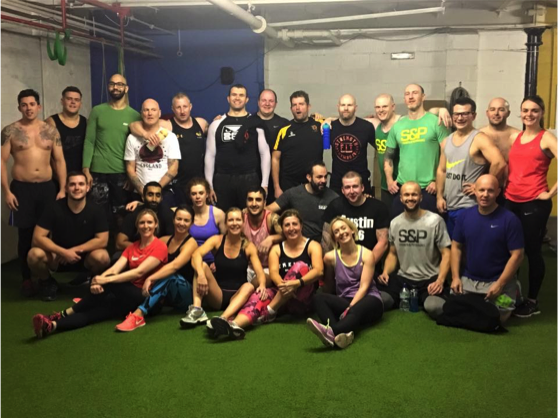
Some of the S&P gang during one of our warrior nights last year.

Here are my five biggest lessons from last year and hopefully I can provide you with something that will help you become better:

1. Not One Person is the Same

At S&P we usually train in a group setting, so during a session I can be coaching between 2-10 people.

What I quickly realised is that I can’t use the same coaching approach for each and every person.

One guy will just need re-assurance, encouragement and slight guidance. Whilst in the same session you have someone who is new to the programme and needs constant cues on exercise form and answering questions about why we are doing this and not that.

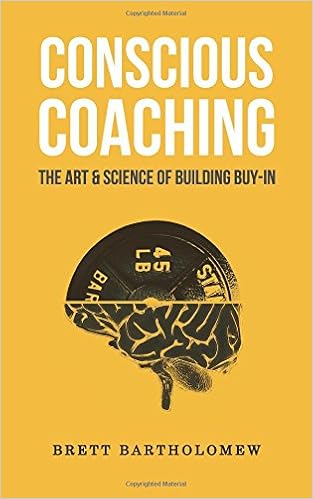
I’m reading a great book at the moment by Brett Bartholomew called “Conscious Coaching” (If you haven’t added it to your collection yet, I highly recommend it) One of the areas the book discusses is how people are different types of archetypes. The strengths and weaknesses, plus how to best connect with these archetypes when you’re coaching them.

I now know that when working with a person for the first time, I need to try and find out which approach they will learn/work best from.

Remember “one size doesn’t fit all”.

With every person that you train, you need to gain their respect and trust, to do that its going to require slightly different methods for each one.

2. Maintain the Thirst for Knowledge

The job is full on.

Don’t get me wrong, its my passion and I wouldn’t change it for anything, but you will have early starts and late finishes. It is stressful and you need to make sure each and every session that you give your clients the best version of you whether its your first session of the day or your very last.

But despite all these demands, you have to make time for learning new things and developing your knowledge base.

Want to know the good thing? I think its easier than ever!

Living in the UK, a lot of the coaches I look up to are based in America, so getting to a workshop or a course isn’t as simple as I’d like.

Don’t get me wrong, you can’t beat actually attending a seminar or a workshop, I managed to complete the CPPS Level 1 Certification by Joe DeFranco and Jim Smith last year which was a massive help to me.

However, these days there is so much quality information on a range of topics on the internet. Want to know the best part?

Most of it is free.

I’ve developed a lot of great sources which I read/listen/watch weekly.

We all learn differently, if you know you’re someone who prefers hearing information rather than reading it than find more podcasts to learn from. Similarly if you’re someone who loves watching how people coach/train rather than listening about it, subscribe to some good quality YouTube channels.

I’m someone who doesn’t generally have a preference so for every article I read from places like EliteFTS.com and Juggernaut, I’ll probably watch a video from MobilityWOD or Gary Vaynerchuk. Make sure you develop your own set of websites, podcasts and YouTube channels to make sure you keep pushing your knowledge base to the next level.

Develop your learning resources and don’t just think about training. Gary Vee is my go to man for motivation.

3. My Favourite Quote for Clients

“Show me a man who cannot bother to do little things and I’ll show you a man who cannot be trusted to do big things.” – Lawrence D.Bell

This quote came up on my Twitter feed a few weeks back and I think it perfectly sums up people who want the most advanced methods of training and nutrition before they have even done the simple things.

As a coach you will work with people who feel they’re more advanced than they are. You’ll have people who haven’t trained for years and have done nothing but eat microwave meals since college who will want the most advanced programs despite being unable to perform a bodyweight squat.

Whenever I see something like that it makes me want to do my best Farooq impression from back in the day, “Damm!” (How cool was WWE back then!?) before I go over and correct them.

People need to build the advanced methods of training and nutrition on an ALREADY STABLE base of the basics.

For every person who is benching, squatting and deadlifting a lot of weight, they will have learnt how to do the fundamentals (press ups, bodyweight squat and hip hinge) before hand. Without this base, your structure is going to come falling down sooner rather than later.

As a coach it is our role to ensure that each client is educated and takes the logical steps necessary to help them get closer towards their goal.

Yes it may be cool to have your client doing a load of fancy looking exercises along with an in-depth nutrition plan. But, having them do a programme based on the fundamental movement patterns along with having them eat enough protein, drink enough water etc may be better suited to they’re current status and ability.

4. Some of Your Best Results Aren’t Going to be Six Packs

Getting people the aesthetic goals such as bigger arms or that sculpted six pack are very impressive. But sometimes the best results you get with people are the ones you necessarily don’t see.

We work with a range of people on a daily basis, going from people who have never trained before to MMA athletes. This means that each person’s goals or reason for coming to us is going to differ. Some of the best things I heard last year is when people say they can now play with they’re kids on the park without getting out of breath.

As I said aesthetic results are great, but when somebody can now spend more quality time with their children for example it feels great to have played a part in that.

It sounds like a simple thing, but when you hear of results like that or how they can now walk up the stairs without getting out of breath, its just as good a feeling as somebody getting great aesthetic results.

At first, I often felt frustrated or upset that not every client that we train was getting results. But, you quickly learn that by celebrating the different types of achievements that people collect can be great for your mindset.

5. You’re More Than a Coach to These People

For some clients you’ll just be the person who writes the programme and tells them how to perform exercises etc. To other people you’re a source of inspiration or somebody they can lean on during tough times.

First and foremost, I have to be someone who sets the standard for the clients to look up to and follow. I had spells last year where I didn’t train (I honestly couldn’t tell you why) and as a result, inside I just felt like I wasn’t as good as a coach.

This year my trainings on fire, I’m eating well, I’m pushing my self-development and as a result, I feel my coaching is at a decent level (I’m always horrendously harsh on myself!).

As well as setting the standard to the clients, I now realise just how many roles that this job entails. I can go from advising somebody on how to improve their nutrition to speaking to somebody about how bad their day has been and trying to lift them up and get them in a good place.

Don’t just try and be great with the training side of coaching, also be a great person to the people who trust in you. You can be a big difference in these peoples lives and thats not to be under estimated.

About the Author

Jake Hartley is a BSc CPPS certified strength and conditioning coach at Strength and Performance in the UK.

When he isn’t working he enjoys trying to become a better than average powerlifter, holds the UK record for most chocolate milk consumed in one year and listening to the best slow jams the RnB industry has to offer
Any questions that you require an answer to help you in the gym, feel free to e-mail him at jake@strengthandperformance.co.uk
Categoriescoaching Female Training

It’s Time for Women to Buy Into Strength Training

Today’s guest post comes courtesy of NY-based personal trainer, Meg Julian and covers a topic I feel is very important: the notion that some women still have a phobia about walking onto a weight room floor.

It’s gotten better in recent years, but there are still some roadblocks which Meg discusses below.

Enjoy.

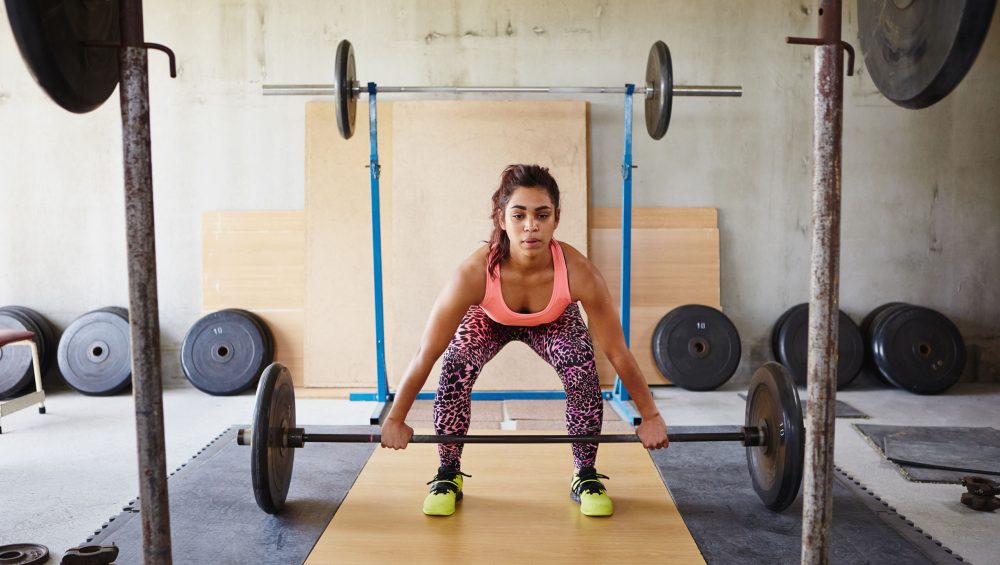
Copyright: mavoimage / 123RF Stock Photo


It’s Time for Women to “Buy Into” Strength Training

Houston, we have a problem.

Most women understand the importance of strength-training, but there is still a full-blown phobia of the weight room floor.

In case you missed it, strength-training

  • Builds muscles,
  • Increases or maintains bone density,
  • Boosts mood by relieving stress and building confidence,
  • Helps fight against chronic disease and
  • Exponentially increases your awesomeness.

So what’s the hold-up?

This video might offer some clues:


Even though most women know they should be lifting, a number of factors inhibit the urge to actually cross over the threshold of the weight-room floor—which isn’t just disappointing, but bad for their health.

So how can we convince women to buy in to the idea of committing to the iron jungle?

John Kotter and Lorne Whitehead have a tremendous book, “Buy-In: Saving Your Good Idea From Getting Shot Down,” about the concept of getting others to buy into an idea. Kotter and Whitehead provide four reasons why a magnificent idea (see: strength-training) gets shut down:

  • Death by delay
  • Fear-mongering
  • Confusion
  • Character assassination

Let’s look at how these issues are often at play in women’s heads when it comes to strength-training.

Death by Delay  

We are great at finding a good reason to put off obligations… until Monday/after exams/once we get past the holidays. This can be a never-ending cycle,  Because a “good time” is never going to knock on the door and offer us Girl Scout cookies. The good news is that we can create “a good time.”  

The more we put off strength-training, the more our muscles, hormones and mind-set get stuck in the same old comfy rut. It doesn’t get easier. On top of that, women reach our peak bone mass in our 30s, which means fighting an uphill against osteoporosis going forward.   

Don’t delay. The time to start is now.

Fear-Mongering

There can be a lot of fear when starting to lift weights.  Fear of the unknown or looking like you have no idea what you are doing is something I often hear from clients, and that’s something that gets its own section, below.

In the meantime, we also might have a lingering fear of being watched or judged by others. I understand, but really, most people are either too focused on themselves to notice you or are praying you won’t take the piece of equipment they want to use. But to be safe, here is a list of gym etiquette rules.

If someone if making your feel uncomfortable, please alert the gym staff and they will handle it… because that’s not cool.  The gym setting shouldn’t be unlike any other public setting.  Think of the grocery store. Yes, there is a chance someone is looking at you and your cart, but so what? You need food and you need the benefits from strength-training.  

Fear of other’s sweat and grossness? Valid. But most gyms have antibacterial spray and paper towels  everywhere —which is better than most public settings. Just sayin’.

Confusion

Back to the fear of not knowing what to do.

I highly recommend hiring a personal trainer, even for a couple sessions, to show you the ropes. Some gyms even offer a complimentary training session or orientation to the facility. The money you invest in your health early on will save you from doctor’s bills in the future, so it’s a positive return on your investment.

If working with a trainer isn’t possible, here are some basic moves I put together to get started.

Character Assassination

This one is a heart-breaker, but I’ve seen it too many times before. It’s when women doubt themselves and their ability to reach their goals despite previous accomplishments or even before making any attempt. You might not believe you can be successful and that you don’t deserve to be on the weight-room floor. Well, consider this your personal invitation… because you do have a place among the bars, bells and cables.

Need more of boost? Again, I recommend a session or two with a trainer to affirm that you are capable of being “Queen of the Iron Throne.” Aside from that, tap into the power of  friends, family, social media or Beyoncé to encourage you to slay. It is essential to be your own cheerleader, rather than your enemy.

With all the benefits of strength-training, it’s time to quit talking yourself out of this wonderful process. Address your concerns and excuses, then move on. You’ll be glad you bought into this idea.

P.S. To crush any lingering concerns: You won’t bulk up, unless you’ve been blessed with the genetics of Xena Warrior Princess.

About the Author

If you enjoyed what you read, want to learn more or just need to know where to send the hate mail, visit me at https://trainermegj.wordpress.com, where you can subscribe to my weekly email dedicated to tips like these and improving technique and strength for obstacle course racing. You can also follow me on Instagram at @TrainerMegJ.

Megan Julian is a New York-based NASM Certified Personal Trainer, with additional certifications such as, FMS L2, NASM-CES and CFSC. She specializes in preparing brides for the big day, helping obstacle course racers improve their times and working with clients of all ages overcome injuries. In her free time, she enjoys running through the woods, jumping over walls and crawling under barbed wire — sometimes at events such as the World Championship Obstacle Course Race in Canada.

Sources

Buy-in Saving Your Good Idea From Getting Shot Down

John P. Kotter – Lorne A. Whitehead – Harvard Business Review Press – 2010


Categoriescoaching

Listening: A Lost Skill of Coaching

I had a busy weekend moving and our new apartment currently looks like a HAZMAT scene. My hands are full figuring out where to put my Blu-Ray collection and fancy towels. Luckily my good friend and fellow coach, Kim Lloyd, was kind enough to pinch-write for me today.

How good of a listener are you when you’re coaching?

Copyright: ammentorp / 123RF Stock Photo

I came into this industry later than most. I quit my job to do an internship at Cressey Sports Performance when I was 38 years old – older than all of the coaches at CSP and most of the clients.

Note From TG: ahem, not older than all the coaches.

I spent the bulk of my internship and even my first few months as a coach stressing about how much I didn’t yet know. Periodization, how to do a half-kneeling 1-arm manual resistance with external rotation at 90 degrees, valsalva breathing (wasn’t the valsalva that hangy ball thing in your throat?)…the list went on and on.

As I was busy cramming my brain with the ins and outs of exercise physiology, it became easy to lose track of what coaching is really all about.

Listening.

It isn’t what you say to your client. It’s what your client is willing to say to you. Yes knowledge is important. But that whole business about two ears and one mouth and using them in that order?

That’s coaching.

Sure you have to know anatomy and exercises in order to help clients, but the knowledge does nothing if you can’t get to the heart of what motivates them and what’s important to them.

Listening by itself isn’t an easy skill.

Every morning on my drive in to work I either listen to a podcast or an Audible book (although somedays it’s Whitney Houston, because you know, Whitney Houston.) And without fail, at some point during my 50 minute commute, I’m reaching to hit the 10 or 30 second rewind button because I zoned out.

Recent research suggests that humans now really do have the attention span of a goldfish. According to a 2015 study from the Microsoft Corporation, people now lose concentration after eight seconds, where the goldfish can actually concentrate for nine seconds. Back in 2000, we could concentrate for a whopping 12 seconds. But not any more.

Note From TG: Unless you’re a twelve year old kid.1 I give you exhibit A:

So what does that mean for us as coaches?

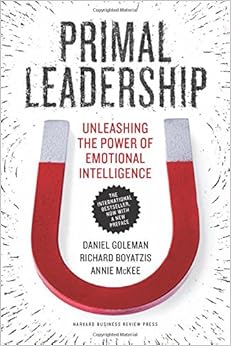
We all fall into the trap of constantly “nexting,” as author Daniel Goleman reminds us in the book Primal Leadership. I know I often catch myself in a conversation with a client waiting to talk as opposed to actively listening. She just said something that reminds me of a great post I read about core training and I know exactly what she needs to do.

If she would only stop talking so I could fix it.

Actively listening means responding to the client in a way that makes her feel understood. That sounds easy, but training ourselves to stop, pay attention, and be present with someone is as much a matter of practice and conditioning as any exercise set we assign. I’ve found that the following tips help:

1) Maintain Eye Contact

No, not in a creepy, bug eyed way.

In a way that is absorbing the entirety of what’s being said. You’re looking at the client and watching her facial expressions and nodding when it’s appropriate. Our clients need to know we’re listening.

This can be tough to do if a client decides to divulge some important information to you while you’re in the middle of a session with three other people, but in this case, I try to schedule another time to talk. Hey, you’ve got some important stuff to say and I want to give you my full attention, so let’s talk about this after the session.

2) Don’t Interrupt

Have you ever tried to tell a story and had someone finish your sentence for you? But not in a cute, we’ve-been-married-for-fifty-years kind of way. More in a what-the-hell-I-was-just-pausing-to-breathe-it’s-not-an-invitation kind of way.

Stop doing that. No really. Cut it out.

Listen to the whole sentence. And then listen to the next whole sentence. And wait until there’s more than a 0.5 second break to start talking. In fact, wait several seconds. Make sure you’ve heard her. Reflect what she’s told you to make sure you understand.

3) Don’t Give Advice

This is a tough one and is the staple of motivational interviewing. You’re not so much solving the problem for a client as helping them solve it themselves. You can guide the process, but telling people what to do isn’t the same as having them come up with the solution on their own. To help them get to that solution, you have to be paying attention to the information they give you, and absorbing enough to point out connections they may not have initially recognized.

4) Empathize

Some coaches are naturally empathetic. And some are guys.

Note From TG: ohhhhhhhhhhhhhhhhhhhhhh2, snap.

Just kidding guys, just kidding.

Empathy comes naturally to many of us in this industry – it’s why, hopefully, we are in the business of helping others. According to Brene Brown, who did all kinds of research on vulnerability and empathy, the very definition of empathy is “feeling with people.”

Rarely does an empathetic response start with the phrase “At least.”

“I just had shoulder surgery.”

“At least you have one good arm.”

Um, yup. Thanks for that. Makes my spending six weeks in a sling and six months doing rehab completely better.

Good coaching has many components, and we are all working tirelessly to figure out what those pieces are. But I know for me as a client or a patient, the most satisfying and important criteria in choosing who I’ll work with is a feeling that I’ve been heard. That you are not just nodding and smiling and waiting for your turn to talk.

And I believe all of our clients want the same.

Author’s Bio

Kim is a former Cressey Sports Performance intern, and currently works as a strength coach at Spurling Fitness in Kennebunk, Maine. Prior to working in the fitness industry Kim worked in college athletics as a softball, lacrosse, and cross country coach. She has a Masters in Sports Leadership from Northeastern University and is a proud graduate of Gannon University in Erie, Pennsylvania.
She maintains a website at www.kimlloydfitness.com
Facebook: HERE
Instagram: HERE
Categoriescoaching

The Other Side of Coaching

Coaching. There’s a connotation that it’s all butterfly kisses, rainbows, wearing sweatpants to work and/or hoisting up a Lombardi Trophies.3

From a fitness pro’s perspective the sweatpants part is true, however the career is anything other than rainbows. It’s an arduous, drawn-out, paying your dues ass-kicking to be truthful. In today’s guest post by Texas based personal trainer, Shane McLean, he sheds some light on the “other” side of coaching.

Copyright: ruigsantos / 123RF Stock Photo

The Other Side of Coaching

You see them on TV. You see them in the gym and you see them at ball games. Coaches, they’ve got it made, right?

They’re strutting along the sideline yelling and screaming instructions at their players. Or it’s the personal trainers at your gym wearing tracksuit pants and checking their social media feed while telling clients what to do.

They don’t seem to be doing an ounce of ‘work’ and they get to wear comfortable pants to boot. Some might say, “That job looks so easy even I could do it.”

When I first started in the fitness industry over 8 years ago, I had no clue what to expect. Sure, I’d been lifting weights for a while, was in reasonable shape and was freshly armed with a personal training certification.

Which meant I knew everything and everybody else knew nothing. I thought coaching would be a walk in the park. How wrong I was.

I couldn’t coach my way out of wet paper bag. I was hurting my clients and they weren’t understanding any of my instructions, cues or programs. Maybe it was my Crocodile Dundee accent?

‘That’s not a knife…….that’s a knife.’


It’s one thing to know something, but it’s an entirely different matter to coach what you know to someone else. The history of sports is littered with great players who couldn’t coach to save themselves.

Sorry Magic

So, how did I get better at coaching? I worked my butt off, observed good coaches in their natural environment and read. That has kept my head above water (for now) but I’m still a work in progress.

Coaching is a great profession but I’m pulling back the curtain to reveal the other side. Here are some things that you probably never considered about that coach who is going bananas on the sideline while his/her team is up by 20.

1) People Are Less Than Truthful

 When I first started working as a trainer, a fellow professional said something to me that I’ll never forget.

“People are liars.”

I brushed this comment off at the time, to be honest. I’ve always seen the best in people (rather than the worst) and I’m inclined to believe whatever they’re telling me.

However, over time this statement has rung true. Some clients (in my experience) have been less than truthful about their reasons for cancelling, their old injuries or about general life details.

It’s hard enough to get the best out of players/clients as a coach, but when they’re less than truthful, it becomes more difficult. And when your livelihood depends on results, it becomes a real problem.

2) It Doesn’t Always Pay the Bills

Most coaches get into this business because of a burning desire to help people and they also love telling people what do to. I know I do. Furthermore, most coaches get to wear tracksuit pants to work.

Beats the suit and tie every time.

However, the passion coaches have doesn’t always reflect in their pay check, particularly at the start of their career. I’ve known good coaches who have left the profession or have had to work a second job to make ends meet.

While others have sold a little of their soul to get a decent paycheck.

Hint: none of the trainers (or models hired behind them) got their body by doing the exact thing they’re selling.

I’m extremely fortunate to have a supportive wife who understands but doesn’t necessarily like the up/down nature of the fitness business. For a large part of my career as a coach, I’ve struggled to make a decent living. However, that’s all on me and I’m working hard to rectify this.

There are plenty of coaches who are making a good living because they work their butts off and have figured it out. However, in my experience, that’s more the exception than the rule.

There are lots of good coaches who are still waiting for the rewards of their hard work.

3) There is More to Coaching Than Meets the Eye

Most of the public sees the final product of the coach’s toil, where they yell, scream, motivate and act like a crazy person who’s had way too much caffeine.


What the public doesn’t see is all the hard work that goes on behind the scenes. Good coaches burn the midnight oil planning and preparing to make their clients/teams/players better.

Most coaches I know are happy to do the work. However, at times the consumer only sees the costs but not the value. What a lot of people fail to realize is all the hard work that goes into that final dollar value.

Furthermore, the coaching profession is an ever-evolving industry and if you’re not getting better, you’re getting left behind. The time and money spent on continuing education, industry conferences, coaching and travel adds up to a pretty penny.

Good coaches invest ton to make themselves and their clients better, a fact not seen by most of the non-coaching public.

Wrapping Up

Coaching is not all sunshine and roses. There is a lot of blood, sweat and tears involved. There are far more ways to earn a better living but none as quite as rewarding as affecting people’s lives in a positive way.

Wearing tracksuit pants is just a welcome bonus.

About the Author

Shane The Balance Guy McLean, is an A.C.E Certified Personal Trainer working deep in the heart of Texas. Shane believes in balancing exercise with life while putting the fun back into both.

Categoriescoaching Exercise Technique Program Design

The Abdominal Rollout: Common Mistakes and Progressions

Having a newborn at home = I’ve been waking up on the wrong side of the bed lately. A lot. I’m cranky AF and my brain waves aren’t firing on all cylinders this morning so you can blame this lame introduction on that.

Cool?

Awesome. Lets discuss abs. Specifically, lets discuss one of the more common ab exercises out there: the abdominal rollout.

Copyright: georgerudy / 123RF Stock Photo

The Abdominal Rollout: A Complete History (But Not Really)

I’d like to sit here and pizzaz you with some interesting factoids and trivia about the abdominal rollout, like, say, I don’t know, its roots can go all the way back to Mesopotamia and that every male had to perform strict repetitions for 17 hours straight before he was allowed to mate. Maybe the History Channel can back me up on that one?

Who knows, for all I know some guy named Phil was the first to perform the exercise while training in his basement in 1968 while jamming to Hendrix. Phil was cool as shit.

Either way, all I can really tell you is that it’s a staple exercise that trains the anterior core musculature – upper and lower rectus regions in addition to the internal and external obliques – and has long been a “go to” exercise for anyone looking to shred their mid-section.

Copyright: max5799 / 123RF Stock Photo

Specifically the abdominal rollout is an excellent variation that trains ANTI-EXTENSION, and, well, many people tend to miss the boat in this regard.

I see a lot of common mistakes when I watch trainees perform this exercise. In fact, most would be better off pumping the brakes a little bit and mastering something like an RKC plank first.

RKC Plank = a plank (albeit learning appreciate tension).

The set-up is more or less the same a regular ol’ plank, except here you’ll want to flex everything – your abs, glutes, quads, eyelids, everything.

An important cue I use when teaching the RKC plank is to tell the person doing it to pretend as if they’re trying to drag their elbows towards their toes. When done right, it increases the “holy cow, this is really hard” factor by a large margin.

Also, when done right, 10 seconds will feel like torture.

But I’m getting a little off-track. What are those common mistakes of the rollout I was referring to above? The two most common are:

  • People falling into excessive lumbar extension (<– remember: the rollout is an exercise that helps train anti-extension; it defeats the purpose of the drill if you allow your lumbar region to “fall” into extension). The idea should be to maintain posterior pelvic tilt of the pelvis throughout.
  • Not allowing the hips to follow the shoulders.


In Case You’re Too Important to Watch the 2-Minute Video Above

1. I like to cue people to start the exercise in a bit more of a lumbar flexed posture (PPT). Relax, it’s unloaded flexion, you’ll survive. By doing so, most will end up in spinal neutral as they draw closer to the floor.

2. My triceps look jacked in that video.

3. Oftentimes as people break toward the floor their shoulders will lead and the hips will tend to lag behind. A cue that often works for me is to tell the person to pretend there’s a rope or chain connecting their hips and shoulders and that the shoulder are “towing” the hips behind them. They should move simultaneously.

Address those two things and technique will clean up nicely.

How About Progressions?

Assuming you’re already pretty good at the standard rollout, what are some ways we can progress the exercise?

Some less sexy alternatives would be:

  • Add a pause at the bottom.
  • Use a slower tempo on the way down and up. Think: three seconds down, pause, three seconds up.

We all know you’re going to skip those however, so maybe consider these options?

Level 1: This Is Kinda Cool, I Guess – Elevator Ab Wheel Rollout


Here, the idea is to include some pitstops or “speed bumps” along the way to make the movement more challenging and to increase time under tension.

With the Elevator Rollout I’ll tell people to rollout to three different lengths:

  • 1/2 way out, then back.
  • 3/4 way out, then back.
  • Full ROM, then back
  • THAT’s one rep.

Aim for 5-6 repetitions (which is really 15-18 repetitions when you count all the additional stops).

Level 2: Alright, Now We’re Talking – 2-Way Ab Wheel Rollout


All we need to do to make something a little more challenging is to add a change of direction. With the 2-Way Ab Wheel Rollout the idea is to alternate between veering off to the left and to the right. But, really, you can add as many directions as you want. And, if you’re really feeling frisky you can combine this with the elevator variation above.

I like to shoot for 6-8 repetitions per direction with this one.

Level 3: Ohhhhhhhhhhhh, Snap – Band Resisted Ab Wheel Rollout


To up the ante even more we can add resistance in the form of a band. With this variation I wrapped two bands around the corner of a squat rack and wrapped the other ends around each handle of the abdominal wheel.

The band will “assist” with the yielding/eccentric component, but you will need to fight and overcome the concentric portion. It’s a pretty nasty progression, so don’t take it lightly.

Aim for 8-12 repetitions.

Level 4: “Whoa, I Know Kung-Fu” – Standing Band Resisted Barbell Rollout

^^ Bonus points for The Matrix reference.


Admittedly, this isn’t that baller…but it’s a nice variation for those who aren’t quite able to perform a strict standing rollout (which is next level Jedi shit). With this variation you have to overcome the band as you roll out, however on the way back the band will accommodate or assist you back up to the starting position. Pretty nifty.

Aim for 5-8 repetitions.

And that’s that. I hope those tips to clean up technique help and made sense, and I also hope you now have a few new exercises to try.


Categoriescoaching Exercise Technique Program Design

Sport Restrictive vs. Sport Specific Exercise: How to Avoid Damaging Our Athletes

Speed ladders, parachutes, BOSU balls…it’s all nauseating at times. There’s a time and place for all those things – I guess – but when they’re added to an athlete’s (especially young athlete’s) training repertoire I have to wonder if they’re in there because the coach feels it’ll make him or her better, or if it’s the novelty they’re after? Today’s guest post by strength coach, David Otey, tackles the idea of sport RESTRICTIVE exercise and sport ASSISTIVE.

Good stuff.

Copyright: gloffs / 123RF Stock Photo

Sport Restrictive vs. Sport Specific Exercise

In fitness, finding your niche is a major part of making an impact on an individual. Over the last few years, Instagram celebrities and fitness magazines are guiding people on the best “sport specific” exercises for athletes.

If you want to be great at throwing, do this!

If you want to play cornerback in football, do that!

The whole process is very demanding of precise movements. The only issue is, details enhance, they don’t create. Just like a nice tie doesn’t make a cheap suit look better, detail work without a foundational set of athleticism, doesn’t change the athlete.

We can all remember our first intro to lifting weights, like a first date. The first interaction is the most impactful so a shit program can really compromise your results for years to come if you don’t find the right direction.

Ever meet that 50 year old guy that is still doing his HS football team’s lifting routine?? I meet that guy all the time. The issue with this idea is young athletes usually get thrown into a specific rotation of exercises that may be helping tiny details but neglecting overall development.

The fact is, the first 6 months to a year of working out is the most crucial from a muscle mass, neuromuscular awareness, and overall gym knowledge standpoint. Those initial days and exercises really set the table for your future accomplishments in the gym.

Sport specific exercises have been used for years with the intent of developing a particular athlete in their respective competition. Ever hear of the SAID principle? If so, makes sense right?

Sport restrictive exercises is a term I use for any exercise that could hinder the natural athleticism of an athlete.

If we are using sport specific exercises, they should be a compliment to some natural big lifts that are the foundation of our program. Thousands of athletes, right now, are practicing how to make one hand catches like Odell Beckham Jr. While focusing on that, they are neglecting speed, power, route running, catching fundamentals, and more

Athlete programming has two overall objectives: Maximize potential and minimize injury/restriction.

If you are not getting better, you are competing less.

If you are hurt, you are competing less.

We want athletes to compete more, work more efficiently, and stay in the game longer. The idea of sport restrictive exercises is to change the thought process from what things can I do for specific movements to what things should I REALLY not be doing to hinder my development in that sport.

I would argue that the majority of exercises are good for all athletes with a strong foundational level of athleticism (assuming no major injuries). There are a subset of exercises for each sport which should be avoided if you are looking to max out your potential. Here are four of the more common situations we may run into which are holding back our athletes.

Restricted Hip Drive

Restricted Shoulder Mobility

Loss of Rotational Power Generation

Loss of Multidirectional Movement

These four basic areas are really what encompass the attributes that set an athlete apart from the field.

Lacking in one or multiple of these either place you behind the curve or place you on the injury reserve. These for characteristics are also seen in every sport just in varying quantities. Let’s dive into how we can distinguish and avoid sport restrictive exercises going forward. As sport specific exercises are truly movements seen in game situations, I will refer to the exercises below as “sport assistive.”

Hip Drive

Hip drive is one of the most powerful and common strengths of any athlete. Whether you are throwing, blocking, sprinting, hips dominate the motion. Hip drive can be used in many ways but explosion and stability are the key responsibilities of the Glutes. To get the most of your hip drive, it’s important to work in areas that are similar to your sport. The weight room opens us up to a long list of activities that can work on a more powerful looking lower body. Key word is LOOKING. How can we adjust to just flat our powerful.

Sumo Deadlift – Sport Restrictive Movement

Note from TG: Noooooooooooooooo (sad face). I’m still posting a video of myself.


Traditional Deadlifts are becoming more common in weight rooms everywhere which is a great thing. The movement is based on full body strength and developing power. With regard to the Sumo Squat, it’s inherently unique set up is unfamiliar to almost any sport we see on a regular basis. Now I know, some people are going to say, “But what about the extra muscles used in the Sumo Deadlift?”

I certainly can understand that, my argument is this is more suited for the athlete geared towards weight-room competitions and less towards indoor/outdoor traditional sports. Building a foundation should be based on movements that are going to directly impact performance, not just look sweet in your Instagram post.

Broad Jump – Sport Assistive Movement

Without hip mobility, you are leaving yourself with a quick road to injury. Restricted hip mobility leaves you in a position to rely on areas to gain mobility that aren’t meant to have mobility. This extra strain, either placed on your knees or lower back, can quickly turn into chronic issues.


To avoid this, don’t work on exercises with unique demands that are uncommon to your everyday activity. The broad jump for any athlete is a way to specifically focus on hip and lower body explosion with the outcome of “project myself as far as humanly possible”. All out power is what we strive for. The hip extension utilize in the broad jump mimics almost all lower body locomotive movements we will see more commonly.

Shoulder Strength

Shoulders are the second most impactful joint in the body. Where the hip is mainly responsible for power generation from the lower limbs, the shoulders have the main juncture of the upper limbs. In all throwing sports, the chain reaction between medial foot all the way through the throw, is either amplified or diminished because of shoulder (scapular and glenohumeral) strength and mobility.

Barbell Military Press – Sport Restrictive Movement


The traditional Military press is no argument a solid movement for building muscle mass, but not ideal for working with the general athlete. The fundamental difference between athletics and barbells is the level of predictability.

Barbell movements confine the body to accommodate muscle growth and patterning to a restricted path due to the bar. In sports, all movements are unique and the body is better prepared when trained to be strong through its own control of its path (Example: Dumbell Press).

With respect to athletes with large wingspan, shoulder movement independent from one another is also safer than fixated movement. Increased muscle mass restricts in some sports and helps in others, but overall, the barbell is counterproductive for the athlete.

Landmine Shoulder Press – Sport Assistive Movement

The Landmine Shoulder Press is a great method to strengthen the muscle while focusing on glenohumeral rhythm.


To build in the body’s capabilities to work at its highest demand, we need to reinforce the body’s desire to work in collaboration with coexisting parts of the system. The Landmine’s free pivoting base allows you to control the weight independently. Along with this, the path of the bar promotes scapular upward rotation along with force angle more appropriate for one of our most unstable joints.

Rotational Power

Power is only as good as it can be transferred. Its tough to turn on a light with a frayed power cord (don’t try that at home). The anterior and posterior core’s primary functions are to maintain spinal stability and transfer power. The inherently awesome part of rotational power is the body’s ability to work together and coordinate multiple segments to maximize output. This doesn’t happen without the core, and doesn’t happen without training the body in its full capacity rather than in isolated segments.

Power Cable Twist – Sport Restrictive Movement


Cable twists are commonly seen in gyms around the country as a method to great sick abs. Unfortunately, they aren’t great at that and are more detrimental to spinal integrity. Just as I wouldn’t swing a baseball bat without pivoting my feet, rotation without lower body rotation creates increased stress on the discs, vertebral columns, lumbar spine, hips, damn near everything. Creating rotational power generally starts at the medial foot and transfers up, so training in that manner is most appropriate.

Med Ball Throws – Sport Assistive Movement


The Med Ball Throw is one of the most similar movements to translation of rotational power. One key factor of power is the ability to go full throttle. Just like doing sprints on a treadmill is definitely not the same as doing full sprints outside, there is no restriction of full potential. Proper Med Ball throws can teach an athlete full power output, safely!

Multidirectional Movement

Side Shuffles – Sport Restrictive Movement


One of the hardest things for me to watch is a coach teaching an athlete to side shuffle. Usually, with the side shuffle, the athlete is instructed to keep their back foot in contact with the ground. This concept is generally contradictory to natural lateral movement. Try running while keeping one foot on the ground at all times. Chances are you are going to lose your race.

Lateral Skiers – Sport Assistive Movement

https://www.youtube.com/watch?v=aOI1exR6pSk


The medial foot is one of the primary points of the body where power starts. Stealing a base, juking a tackle, initial drive in the baseball swing, all start from medial foot. Lateral work is a great translator to rotational power and lower body reactive capability. Lateral Skiers allow you to focus on single leg accommodation and the ability to propel from that loaded position. This is a movement that every athlete should build do and practice.

Summary

Every program is going to be unique because of the athlete and specific coach writing the program. The purpose of this article isn’t to blast certain exercises but to bring up arguments to why other movements may be more appropriate for your athletes.

You don’t need a speed ladder to be sport specific.

The best sport specific movements are those done in practice. Unfortunately, as coaches, we may only work with certain athletes in a weight room setting. It is important to identify which exercises can translate, and which in the long term, could be holding back our athletes. Bottom line: don’t restrict your athletes by refusing to adjust from the status quo.

Author’s Bio

David Otey is a Strength and Conditioning specialist based out of New York City. David is the 2016 Fitness Manager of the Year for Equinox and has been featured in several major fitness publications on the topics of strength and Conditioning.

CategoriesAssessment coaching Exercise Technique

“Squat Like a Girl”

I hate the term “girl push-up.” I hate the connotation it breeds; that girls are weak and that they should do these kind of push-ups instead (performed from the knees). Coaches who use it are 1) lazy and 2) are definitely worthy of the stink eye.

But what about squats? Is there such a thing as “squatting like a girl?” Does the term equally make me want to toss an ax into my face? Well, not exactly. In today’s excellent guest post, NY based coach, Meg Julian, provides some insight on why, sometimes, there is such a thing as squatting like a girl.

Copyright: Kurhan / 123RF Stock Photo

“Squat Like a Girl”

I’d like to start off by saying that I’m truly honored Tony named his firstborn child, Julian, after me. I hope to inspire the masses as much as I’ve affected Tony. But I’m not here to talk about Baby Julian; I am here because of Baby Julian (yay!).

We are here to talk about why “squatting like a girl” can be different than squatting like a boy.

After working in a female-only gym for five years and training many females clients during the past seven years (not to mention being a woman myself), I’ve found that we often don’t hear about how tips for men might not work perfectly for women, because our bodies (shocker!) are different.

This is one major reason why when I ask new clients to squat, they often struggle to squat, or even look back blankly (really!) Why? Because squats can be complicated, and most exercise science was developed for men by men.

Photo Credit: T-Nation.com

And that’s no way to live, as a great squat can help women with overall strength and weight-loss, which are frequently among the goals I hear from clients.

So, whether you want to put an Olympic barbell on your back or just get in and out of a chair, you’ll want learn how to properly squat. Here are four important ways that women can improve their squat:

#1: Use Your Butt

Squatting is widely considered a phenomenal exercise for building your butt, but many women don’t effectively engage their glutes when they squat. Counter-intuitive, right?

That’s partly because most people sit for much of the day and thus over-stretch their posterior chain, which is the butt and hamstrings; we also tend to over-work the front of our bodies, rather than the posterior.

It’s no surprise, then, that the little elves in your muscles don’t stand a chance.

This condition is called “glute amnesia,” and it’s a term coined by back specialist Stuart McGill — I’m not kidding! If you don’t engage your glutes when you squat, the connection between your muscles and brain will fade, which will make it even harder to use your bum when you want to. In other words, if you don’t use it, you lose it.

To remedy this, the cue we often hear when squatting  is to “sit back.”

But this often turns into a balancing act of:

  • Gripping the ground with your toes and hanging on for dear life;
  • Sticking your butt back;
  • Leaning forward and hoping to not fall over; AND
  • Doing nothing positive for your body.

Instead, I tell clients to pick their toes up off the ground.

Picking your toes off the ground, and putting the weight in your heels, makes the connection between the brain and posterior chain stronger. This is often what is meant by “sit back,” but our bodies tend to take the path of least resistance, so instead of truly using your glutes, it’s common to become a bit of a surfing expert.  

Note from TG: Nice cue to get people to “feel” their glutes work and to understand their role in squatting. While I don’t want to speak for Meg, it’s not one I’d use long-term, especially if the goal is to lift more weight.

If this seems weird and awful, or you topple over, you’re probably not doing it incorrectly; you just haven’t built the strength yet. Keep trying. And you might want to practice over a bench until you get the hang of it.

#2:  Redefine the Relationship Between Your Knees and Your Toes.

The misinformed cue we often hear is “Don’t let your knees come past your toes.”

The idea, again, is that your weight should be in your heels and mid-foot instead of being perched up on your toes. The cue has it’s heart in the right place, but it’s just misdirected, much like this meme:

But I love home; that’s where I keep my bed, food and dog.

The problem? Again, everyone is built differently. For example, if you have long femurs (thigh bones), it’s going to be better for your squat to let your knees come past your toes.  

The focus, instead, should be on having your shoulders go straight up and down as you squat.

So instead of focusing on your knee placement, double-down on your efforts to keep your weight back, barbell over mid-foot, and your back upright.

#3 And One More Thing About Your Feet.

It’s common to be toldSquat with your toes facing forward,” but most women will feel more comfortable turning their toes out a bit when they squat. The female hips and the way the leg bones fit into them are built to be a little wider; you know, “birthing hips” and all.

So instead of focusing on your feet facing forward, focus on aligning your knees above your toes, and for women, this likely means turning your feet slightly outward — and your knees along with it.

Trying to force a more narrow stance or twist the toes in a direction they don’t naturally want to go will cause a lot of tension in the knees. It’s like trying to jam a drawer shut that’s off its runners — not pleasant.

This may be perfectly fine for some and even how most assessments are done, but it’s possible that this is not the ideal form during every workout. Just look at the way a little kid naturally sits in a sandbox (do they still have those?): knees are wide and toes are turned out.

Not sure how wide to point your toes? I recommend standing barefoot with your heels together on a smooth surface like wood, and squeeze your glutes. Then, separate your feet until your heels are under your shoulders. This is likely the most comfortable position for a squat for your body. Play around and see what feels best.

#4: Show Your Ankles Some Love.

Tight calves can lead to a lack of dorsiflexion, which is the ability to flex the toes up toward the shins. It’s a problem I often see in women who wear high heels or flip flops and never stretch.

Lacking range of motion in your ankles is terrible for nailing a squat. By limiting the bend, your body will find a way to compensate by flattening arches, caving knees in toward each other or leaning too far forward.

Here’s a simple test of ankle mobility: Place your toes four inches from a wall. Without lifting your heel, can you bend your knee until it taps the wall. If yes, you’re good! If no, keep practicing twice a day until you can. Keep it up until you can consistently hit a wall. In a good way.


Wrapping It Up

Most women have goals of losing weight, improving their backsides and getting stronger. While these goals are a bit vague, I do have a specific answer: Squat as much as you can handle —  after you master squatting like a girl.

Author’s Bio

If you enjoyed what you read, want to learn more or just need to know where to send the hate mail, visit me HERE, where you can subscribe to my weekly email dedicated to tips like these and improving technique and strength for obstacle course racing. You can also follow me on Instagram HERE.

Megan Julian is a New York-based NASM Certified Personal Trainer, with additional certifications such as, FMS L2, NASM-CES and CFSC. She specializes in preparing brides for the big day, helping obstacle course racers improve their times and working with clients of all ages overcome injuries. In her free time, she enjoys running through the woods, jumping over walls and crawling under barbed wire — sometimes at events such as the World Championship Obstacle Course Race in Canada.

Categoriescoaching fitness business Uncategorized

Why an Online Training Business Might be Right For You (and 3 mistakes when building one)

I have a special treat for you today. Jon Goodman, the Godfather of online training, emailed me to ask if he could write a guest post for the site. I was like, “does Dolly Parton sleep on her back? Of course you can.”

Jon knows online training and he’s painstakingly built one of the best online training resources in existence that’ll help anyone build a successful business: the Online Trainer Academy. Enrollment is sparse and only happens twice a year. Tomorrow (3/2) is the LAST day to jump on the train for the foreseeable future. Hell, I’m on the train – come join me in the caboose for a good time.4

Why an Online Training Business Might Be Right For You

ONE DAY I GOT SICK, and I didn’t get paid.

I wanted to see the World, but I knew that if I did, I wouldn’t have a job when I got back.

Soon after turning 26 I decided, much to my surprise, that babies weren’t weird and gross and that maybe one day I’d like to have a few. If I did want a family at some point, I knew that something would have to drastically change.

It became apparent that I had to figure out how to build a business in the fitness industry that works for me even when I’m not around and that I control.

Conventional personal training doesn’t lend itself well to a balanced life. When I was in my early twenties I wanted to train 10-14 clients a day. I made a lot of money — much more than my friends at the time — but the hours were arduous.

By 24 I’d reached my income ceiling.

  • I was charging $97/hr and booked 40hrs/wk. If a client cancelled I’d have another on call with as little as 45 minutes notice.
  • I received a small salary as the senior trainer in charge of the hiring, training, and development of the rest of the team.
  • I received commissions for referring new trainers to the club in addition to referring my overload of clientele to other trainers.

Things were good for a while, but then I got that itch.

I wanted to see the World and I desired to meet a girl (smart, kind, and with legs that scream, “I squat, bro”). With my schedule that just wasn’t going to happen.

Something needed to change. I love the fitness industry and I loved my clients but conventional wouldn’t work. Conventional training in a gym doesn’t work.

Early Mornings, Late Nights, and a Lack of Control

You must avoid spending your life in a reactive state.

Reacting to things like your clients schedules, your gym’s rules, and the economy.

It might seem like you’re busy and I get it, there are only so many hours in the day, right?

Well the CEO of a Fortune 500 company has the same number of hours in a day as you. The difference is that he or she has better systems for making the most out of those hours. With these systems the business works for the CEO, not the opposite.

Most good trainers hit a wall. You can’t possibly work anymore. Look, I get it; I’ve been there.

My wife and I a month ago in Thailand where we lived for two months. We had to come home because she’s now 7 months pregnant. Photo credit: Tida Cha Photography]

If you want to work smarter, not harder, in fewer hours, while still providing your clients with an exceptional service there used to be 2 or 3 potential solutions:

1. You Could Start Your Own Gym.

The dream right? For some, this is a good option. However starting a club is difficult. You’ve no idea the hidden fees. There’s a reason why your gym might appear stingy or has protocols in place that you don’t necessarily agree with. I’m not saying that you can’t do it better. But to be a businessperson is a completely different skillset than being a trainer.

Note from TG: HERE’s a post explaining why this exact “thing.” Why it’s a BIG mistake to think the holy mecca is gym ownership. It’s not.

2. You Could Rise Within the Ranks of Your Club Into Management.

The Peter Principle states that, “in a hierarchy every employee tends to rise to their level of incompetence”.It goes on to state that, “employees only stop being promoted once they can no longer perform effectively”.

Similar to starting a gym, becoming a manager sounds good at first (the power, the ego-drive, etc.) but approach the position with caution. Managing other people is an incredibly difficult job and an entirely different skill set than training and managing a client load.

3. Multi-Level Marketing or Similar.

I’ll take a passage from one of my books, Ignite the Fire, here:
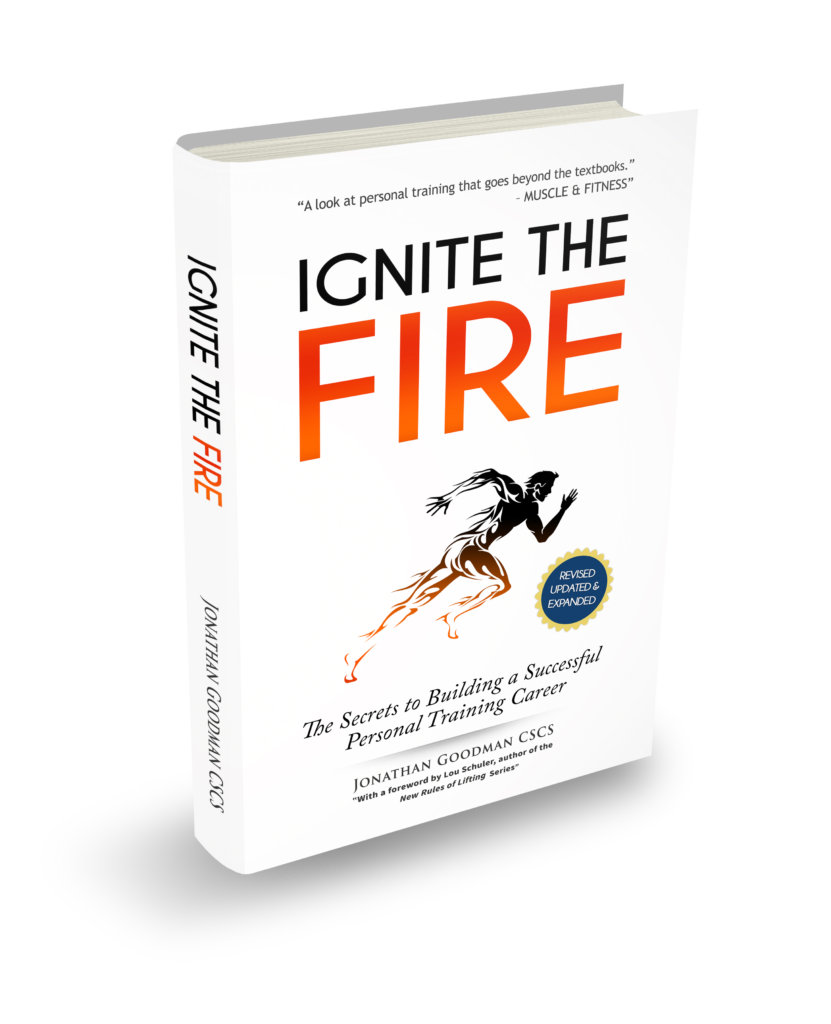
“The idea is attractive but very few are actually successful. You’re often forced to purchase the product yourself and it can be costly. Most people don’t have the requisite hustle, network, or marketing acumen to make a legitimate go of it. Not only that, the supplements are almost always poor-quality.

Read the ingredients carefully and look for independent third-party studies. Even if the supplement is of good quality, I’ve found that multi-level marketing companies sell supplements that are overpriced. It makes sense, and in fact providing such an attractive commission structure requires it. Finally, you’ll feel pressure to involve your close family and friends and this is not a position that I’d want my worst enemy to be in.”

In order to be successful and live a long, prosperous life as a trainer you must become proactive, and in order to do that, you must innovate. You need a new model.

The New Model i.e. The Best Solution That I’ve Found:

Imagine if there was a solution to every problem that is stopping you from turning your job into a prosperous and fulfilling career with ample freedom.

Imagine being in complete control of your schedule, to be able to charge less, make more, and offer just as good (or an even better) service.

Well it exists. But before I discuss it, I want to say something.

I’m not married to any idea. I’m about to discuss why online training or meshed online / in-person training is the best solution. When done right, it’s the solution that you might be looking for.

I came into this search for a solution with an open mind looking for whatever worked best and online training hit all-important points. What followed was 2.5 years of developing, testing, tweaking, and more testing of the best systems for delivering an exceptional online training service.

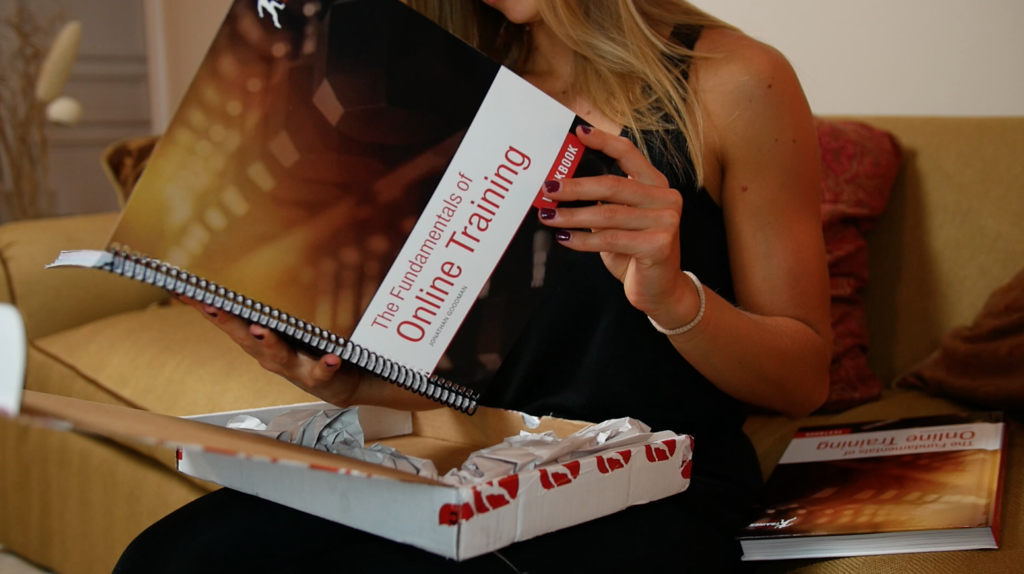
Since 2013 I’ve been teaching trainers how to either supplement their in-person training with online training or train clients online full-time. The Online Trainer Academy is the most current evolution of this process. Complete with a textbook, workbook, digital portal, and all scripts, worksheets, templates, and anything else that you’ll need, the Academy is the world’s first certification in online training that doubles as a business development course.

 

The physical Online Trainer Academy materials. Not pictured here are all digital materials.

Imagine creating a reliable and consistent source of income — one that you can depend on month-to-month. Or, if you’re a gym owner, imagine being able to attract and keep trainers by offering something different in addition to adding another reliable monthly income stream to your bottom line.

Online training is still relatively new and, like all new things that have tremendous potential, some have already jumped on the bandwagon without much thought.

Whether or not you enroll in the Academy, I want to help you get started with online training. Here’s the 3 biggest mistakes unprepared, yet well intentioned, trainers make when making the transition.

3 Biggest Mistakes (well-intentioned) Trainers Make When Starting or Growing an Online Training Biz-ness

 3 is actually the perfect number.

They are: 1) bad support systems 2) offering too much and 3) taking on the wrong type of clients.

I’ll go into detail on each below. Before I do that, let me say that building an efficient and effective online training business is akin to what we teach our clients: build a strong base and grow from there. Don’t slap on extras before you’ve got your foundation.

Right, here’s a bit more on each of the 3 mistakes and what to do to avoid them:

1) Bad Support Systems

Email will drive you crazy. It sounds nice to offer “unlimited email support” but that doesn’t help the client and wastes your time. It doesn’t help the client because it creates dependence and it doesn’t help you because it takes away your control and freedom – the two reasons why most add online training.

You need to establish a precedent. My suggestion is to tell your clients that they can send you one email a week. That email has to be point form. Each point is one question. And each point is no longer than 3 sentences. They can send as many points as they want. You pick one day to answer all emails – say Sunday morning.

The reasons for this tightly-controlled system are numerous, but here’s a few:

  • Most people aren’t writers. Forcing point form avoids the wall of words.
  • Forcing clients to create a list and send you it at once means that only the important questions get asked.
  • You can block off your time. Setting aside an hour or two once a week to do all email support adds back a level of freedom and control into your life.

You can always offer additionally support if needed on an off-the-cuff basis.

2) Bad Program Offerings

In a similar vein to my point above, online trainers need to think critically about what they are going to offer as part of their training packages.

Allow me to illustrate this with an example:

The first systems I built for online trainers were given to 24 beta participants. One day I got a message saying that a trainer was worn out. He was working more and making less – not what online training is meant to do. We got on the phone. Here’s what he was offering:

  • 1 hour Skype check-in call/week
  • Program design
  • Nutrition design
  • 24/7 email support
  • $199/month

Steve charged $75/hr for in-person training. When we spoke he told me that it takes 3hrs for him to design the program and nutrition. Ignoring the email support, he was offering 7hrs of his time for $199/month, or $28/hr.

https://www.youtube.com/watch?v=1ytCEuuW2_A


Because Steve didn’t think critically about his systems he was training at a loss of $329 per client each month. Just because you’re working online doesn’t mean that you’re working smarter. No wonder he was burnt out!

My advice to you is this: when deciding about your program offerings base the pricing off of how much time it will take you per month to deliver the service and go from there.

3) Taking on the Wrong Type of Clients

Maintaining a high quality service online requires more proactive and lateral thinking than training in-person does. The reason is simple: in-person you can be reactive. Online you have to anticipate problems and plan for them so that they never happen.

To do this requires an in-depth knowledge of the client you’re going to train. It means that you need to be a lot more selective of your clientele. It’s also why I don’t recommend trainers who have less than a year’s experience working in-person invest in the Online Trainer Academy.

For example: If I train a 30-35 year old working professional male with no serious injuries I can predict that he probably works at a desk. If I work further down the chain it’s likely that he will have some troubles with the bench press (shoulder impingement). Obviously there are exceptions, but bear with me.

For this client I might substitute an incline neutral grip dumbbell press for the bench press in anticipation of a problem that may arise.

It all comes down to knowing your client. High quality online training is possible but only if you take on the right type of clients for you.

My suggestion is to identify the 2-3 key client avatars that you deal with. Be specific.

Female, aged 30-40 with one client less than 6 months post-partum.

Male 40-55 was a college athlete but let things slide and has some lingering knee issues.

Whatever.

Figure out who you know best and only take them on as online clients. In-person you can take on a wider variety.

Tomorrow is the LAST Day to Enroll

Everything is laid out for you. All the tools you’ll need to help you build a legitimate online training business is here. Nothing shady, nothing nefarious. What have you got to lose?

I don’t point people in the direction of things I don’t believe in or that I don’t believe works, and I get it, some of you may be thinking……”this s*** is expensive!” And you’re right. But:

1) This will easily pay for itself (and then some x a bazillion jillion) if you put in the work.

2) You can write it off.

3) It’s gluten free.

4) Scrumptious.

—-> Online Trainer Academy <—-

Categoriescoaching Exercise Technique Program Design Uncategorized

Box Jumps: You’re Not Jumping as High as You Think You Are. And, You’re Doing Them Wrong

Thump, thud, thump, thud.

“What’s that noise?” I thought to myself. “Thor whacking people’s faces with Mjolnir or a T-Rex break dancing to It Takes Two.”

I turn the corner….”please let it be a T-Rex. PLEASE!

Nope, just some asshat performing box jumps.

Copyright: ammentorp / 123RF Stock Photo


Now, before anyone gets their panties in a tissy….I am not against box jumps. I implement them into my training as well as into the programs I write for other people and think believe they have a time and place (as does most any other exercise in existence5).

I mean, any strength coach or trainer worth his or her weight in paleo brownies understands their role in helping to train explosiveness and athleticism. And, if we were to peel back the onion a bit further, we’d note the REAL benefit(s) of box jumps are:

  1. Force summation, Rate of Force Development, or learning to put force into the ground.
  2. Landing mechanics: or, learning to absorb force.

It’s not to try to jump onto a box at the highest height possible or to perform them for endless repetitions.

Dumb


Really Dumb


Dumber


Commentary on Video #1

Before the record button was pressed you know those two guys were thinking to themselves “Dude, if you hit this jump it’s going viral and you’re totally going to get laid tonight.”

He’s lucky he didn’t break his back or neck.

Commentary on Video #2

Considering the number of banged up knees and scraped shins I’ve come across I really wish CrossFit would begin to understand that box jumps aren’t a great conditioning tool, and that there’s an abyss of better options.6

Hell, running over your right arm with a Honda Civic would be better than high-rep box jumps.

Commentary on Video #3

Yeah, yeah, I get it: It’s JJ Watt, it’s an old video, he’s an elite professional athlete, he nailed it, quit belly aching Tony.

Admittedly that was a baller jump and I too would have full confidence in JJ’s ability to jump over Mordor and then some. However, from a cost-benefit standpoint…..as a coach who’s worked with plenty of high-level athletes myself, I wouldn’t touch that with a ten-foot pole.

I have to wonder, though, did the coaches in that video prescribe or allow this to happen because they felt it would make their athlete better, or because they were chasing YouTube views and likes?

Not worth the risk. Refer to video #1.

My Real Beef: Not Box Jumps, But HIGH Box Jumps

A few months ago I watched a stellar video by Nick Tumminello where he went into detail on why he didn’t like HIGH box jumps, and he made a brilliant point I had never thought of before.

High box jumps reward those people with excellent hip mobility, particularly those with great hip flexion. Here’s an example:

The distance from the bottom of your foot to top of box is the “real” distance you’re jumping. Not so impressive now, huh?

And this is what the same jump looks like when someone doesn’t have the ability to clear ample hip motion:

They start cranking through their lumbar spine, over and over and over and…..”awwwww, goddamit I blew out my back again.”

“Ma, meatloaf! We want it.”

And speaking of the lumbar spine, how many times do you watch someone perform their box jumps and it ends up looking something like this:

Box Jump: Poor Landing


Happens all the time right?

Yuck.

If your box jumps look like this you’re using too high of a box and are reaping ZERO benefit from doing them.

How you start (chest up, knees slightly bent and not caving in, athletic position) is how you should end. Like this:

Box Jump – Good Landing


Another not so great thing thing many people end up doing is landing too loud on the box. Remember: one of the main benefits of the box jump is absorbing force.

Box Jump – Loud Landing


If someone can hear your box jumps in Idaho you’re doing them wrong.

Instead, you want to make sure you land softly, or what I like to tell my clients “like a ninja.”

Box Jump – Who’s the Ninja? You Are That’s Who


A Few Other Random Thoughts

  • Even with a (seemingly) low box height, the idea is to cue your clients to jump as high as they can (and then to land soft). External cueing works wonders here:
    • Try to hit your head on the ceiling.
    • Jump away from the ground.
    • OMG, there’s a snake!
  • I like to program box jumps for low reps. Sets of 1-3 are ideal.
  • Moreover I LOVE performing box jumps on lower body days prior to squatting or deadlifting as it serves as a nice way to potentiate or wake up the nervous system.
    • Perform 3-4 sets of 1-3 reps and you’re good to go.
    • Quality over quantity.
Categoriescoaching Conditioning

3 Tips to Make Your Bootcamps More Enjoyable and Badass

I personally hate the term bootcamp as the connotation is that all participants are there to get yelled and screamed at and otherwise Full Metal Jacketed for an hour. 

I find those instructors who rely on the drill sergeant approach tend to be compensating for a lack of differentiating their ass from their acetabulum7  In today’s guest post, Cressey Sports Performance strength camp coach, Frank Duffy, helps shed some light on a few lesser known factors that can help make your large group training classes more effective and enjoyable.

Copyright: racorn / 123RF Stock Photo


Large group training classes, commonly deemed bootcamps, often get a bad rap for the training they provide. Injuries and cases of exercise-induced health conditions, like rhabdomyolysis, are more prevalent than ever before. Sleep and nutrition play critical roles, but running ourselves into the ground day-in and day-out with our training is a surefire way to end up on the shelf injured over time.

Your training shouldn’t crush you. Plain and simple.

Quality over quantity, just like anything we do in life, is something I continuously hammer home to our Strength Camp members here at Cressey Sports Performance (CSP). While the program’s variables are entirely in our hands as coaches, there are other ways to dictate the intensity of training environment subtly.

1. Set the Tone Through Music

Nope, this isn’t a joke.

I have zero research to back this up, but I truly believe the music you have blaring through your speakers plays a huge role in regards to the intensity of your training floor. Powerlifters will always love their hardcore metal, the female high school athletes will always love their pop music, Tony Gentilcore will always love his Wu-Tang Clan and Tiesto.

Note from TG: Tony’s Techno Tuesdays will live on F.O.R.E.V.E.R

The CSP Strength Campers I work with are primarily in their late-30’s to mid-50’s, and don’t want Avenged Sevenfold blasting at 5:30 in the morning. Instead, we rock out to Bon Jovi, Bruce Springsteen, Pearl Jam… the list goes on.

It’s much less aggressive and music that most of our clients grew up with, making it much more enjoyable. It also helps that they tolerate my tone-deaf voice whenever Summer of ‘69 comes on.

Target the age range and musical interests of your clientele. It makes the training much more fun and shows them that it’s not about your own personal preference.

2. Preach the Importance of “Filler” Exercises

Our clients come to us for a kickass workout, not to sit through an hour of mobility exercises. However, I make sure that every training session entails one or two unloaded mobility drills as filler exercises to our heavier movements. My favorite way to do this is by implementing Controlled Articular Rotations (CARs) into the supersets prescribed.

I use CARs because they’re bodyweight movements that could be performed every single day without a single piece of equipment. It’s also a great way to learn how to control joint end-ranges of motion, where we typically get injured.

By getting clients to move through their end-ranges of motion in a controlled environment daily, we’re able to maintain and even expand our current mobility. Improved mobility equates to better movement with training and everyday life, why wouldn’t we want this? It’s important to hammer this point across to your clients, regardless of what route you take to improve their quality of life.

https://www.youtube.com/watch?v=IRoIFWyeEII&feature=youtu.be


Monday and Friday are our primary strength training days, where we’ll train the squat on Monday and deadlift on Friday. In between our warm-up sets, I’ll always prescribe shoulder or scapular CARs in order to improve our range and control with overhead movements. They’re also a great way to give the lower body rest in-between sets.


These slots aren’t just limited to CARs, though. I absolutely love dead bugs, plank variations, kettlebell pullovers, and other drills for core activation in between our heavy lifts. It’s important to avoid exercises that will crush your clients for their squats and deadlifts in these filler spots.

Here’s an example I’ll use for our Friday training sessions:

A1.) Deadlift 4×5

A2.) Standing Scapular CARs 3×2/side
A3.) Plank w/ Full Exhale 3×4 breaths

*A2 and A3 are performed during warm-up sets of the deadlift.


There’s a million different ways of going about this. Find what works best for your clients; it helps when they enjoy the exercises.

3. Talk to Your Clients

As cliche as it sounds, communication is key in all aspects of life. An important part of providing a great training experience to your clients is your ability to talk and learn about them. Everybody has a unique voice, and your job should be to listen to what each client has to say.

The ability to hold a conversation throughout a training session is also a great way to gauge how your clients are exerting themselves as well. Anything above 140 heart beats per minute is typically above the threshold in which normal conversation could no longer be held. This is a zone I’ll stray away from for long durations. As fatigue kicks in, form likes to go out the window.

Note From TG: Do you know your client’s spouse’s name? Pets’ names? Do you know their favorite movie or television show? Do they know where the term “cottenheadedninnymuggins” comes from? 

TALK TO THEM!

I try to target 110 to 140 beats per minute with our Wednesday circuit training, which is a sustainable zone for longer periods of time. It’s also what our industry considers the “sweet spot” for improving overall aerobic capacity.


Our clients aren’t equipped with heart rate monitors, so assessing their ability to hold small talk is my judgement tool for how they’re exerting themselves. If you don’t have monitors at your disposal, I highly suggest you do the same.

Large group does not correlate with extremely high-intensity training modalities. Just like private, and semi-private models, your large group training service will produce much greater results when you stray away from running your attendees into the ground. Of course, you’ll always have your fitness junkies that want to give 110% effort every session. It’s our job to explain to them the importance of submaximal training’s benefits, and how exercise is only a sliver of the pie.

If you’re not sleeping adequately, eating properly, maintaining stress levels that life’s situations throw at you, can you really overcome these obstacles with a training session that leaves you crawling out the door?

I’d argue not.

Making your clients better isn’t entirely about the time they spend with you lifting iron. Make it a point to talk to them about their sleep patterns, maybe ask what they had for dinner last night, when was the last time they took note of the color of their pee?, or, I don’t know, maybe discuss the last episode of The Walking Dead. All of it is information that not only will help you help them, but will also build a better sense of camaraderie.

Author’s Bio

Frank Duffy is the Head Coordinator of Strength Camps at Cressey Sports Performance. As a Functional Range Conditioning Mobility Specialist (FRCms) and Precision Nutrition Level One Nutrition Coach (Pn1), Frank tries to tailor the program around longevity through optimal movement and nutrition habits. You can learn more though his website, www.frankduffyfitness.com and his Instagram account…HERE.