Categoriespersonal training Program Design Strength Training

Lets Play Favorites

Ever wonder what some of the best coaches/trainers say their favorite mobility drills are? Squat regressions? Favorite exercise in general? No? Well, too bad.

Shane McLean asked some well-known coaches (John Rusin, Meghan Callaway, Meg Julian, Eric Bach, and myself) what some of their favorites are. Go learn something.

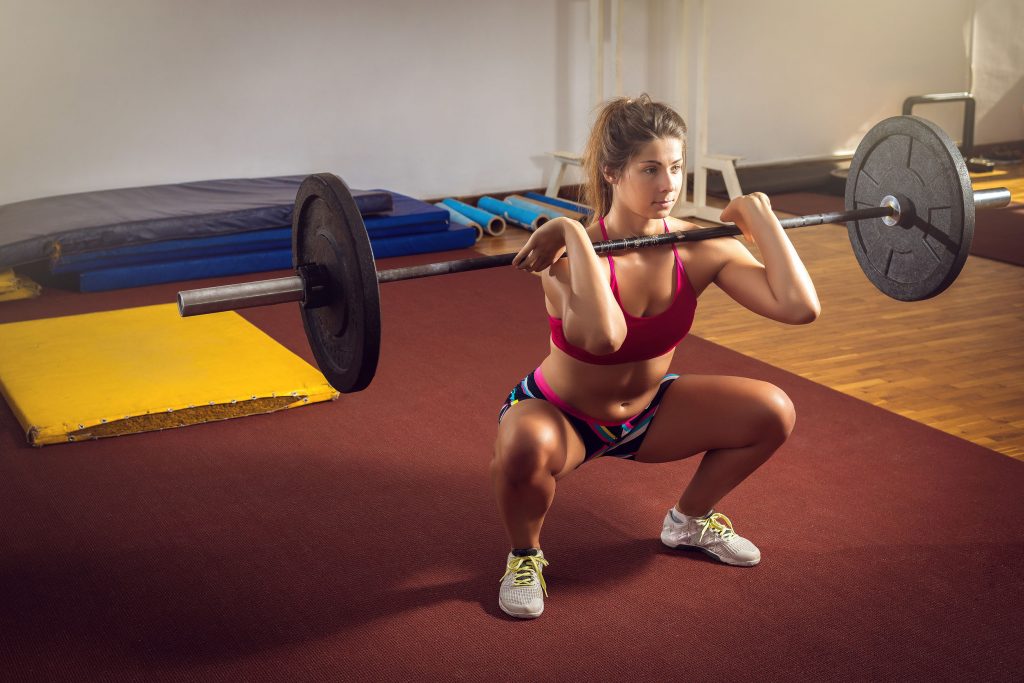
Copyright: ozimician / 123RF Stock Photo


Lets Play Favorites….

My favorite color is blue.

My favorite food is potatoes. I’ve never met a potato I didn’t like yet.

My favorite movie line is “I feel the need, the need for speed.” I’m pumped that Hollywood is making a sequel to Top Gun. I’m already counting down the days to its release next July.

I wonder if they’re going bring back Goose from the dead?

https://www.youtube.com/watch?v=7O1ZhHts8MI


Bring the subject back to exercise, my favorite move is deadlifts. If left to my own devices, I’d deadlift, do some curls, slam down some coffee and then go home. However, my coach makes me do a bunch of stuff I hate but really need.

That’s what great coaches do.

Great coaches also have their go to exercises that end up in most of the programs they write. Usually, you need to attend a seminar or deep dive the internet to find out what the smartest minds in the fitness industry are doing.

However, let me save you the trouble. I’ve asked some of the industry biggest names about their go to moves and exercises they never go without. Who knows, you might learn something.

Tony Gentilcore. <– That’s Me

1) Number One Foam Roll Drill. And Why?

My #1 foam rolling drill comes in the form of a brief rant. Now, mind you, understand I am a fan of foam rolling and do encourage my clients to partake prior to each training session. Or after, I don’t care.

This is my ” go to” series.


That being said I do feel many people place too much credence/emphasis on foam rolling. I can’t tell you how many people have come to me seeking advice on why this hurts and that hurts and why they can never stay healthy. Whenever this happens I’ll inevitably ask them to show me their warm-up.

Fast forward 30 minutes.

Yeah, that’s right….it’s not uncommon for some people to spend upwards of 30 minutes (sometimes more) foam rolling. Foam rolling. After that long even Sting, a proponent of something like 7-hour tantric sex sessions, would be like, “come on already, let’s get it over with.”

When this happens, I’ll come straight out and say it: “THAT’s why you’re always hurt.”

People need to get out of this delicate flower, corrective exercise bubble mentality. Sure, foam rolling helps…but not for the reasons most people think. Do it if it makes you feel better. But get the eff off and go TRAIN.

2) Number One Mobility/Flexibility Move. And Why?

My favorite move is the Yoga Push-Up Complex.


I like it because it’s ONE move that hits a lot of trouble areas for most people:

  • T-Spine Extension & Rotation
  • Hip Flexor Length
  • Glute Activation
  • Hamstring & Adductor Length
  • Scapular Protraction & Upward Rotation

About the only thing it doesn’t address is small biceps….;o)

3) Your Number One Squat Regression. And Why? 

Slowing people down.

Lets discuss this under the guise of butt wink and squatting. It’s a thing.

Basically, it’s a less nerdy way of informing someone “dude(tte), you’re running out of hip flexion so you’re compensating with excessive lumbar motion.”1

Many think the culprit is tight hamstrings. Nope.

The hamstrings are bi-articular muscle crossing both the knee and hip joints. When we squat (go into deep(er) hip flexion) the hamstrings shorten at the knee and lengthen at the hip; there’s very little net increase in length.

When butt wink occurs it’s almost always a lack of tension issue. Meaning, often, there’s lack of pelvic control either due to one of two scenarios:

  • Lack of strength/stability.
  • Lack of motor control.

If your trainer tells you it’s because of tight hamstring he’s a dickwad.

In either case one of the best ways to address it is to slow down. You need to control slow before you can control fast. Coaching people up to adopt a better bracing strategy (core on, spread the floor with feet, PULL down into the squat in a controlled manner) will make a significant improvement for most.

On an aside: what may present as a mobility issue (unable to squat deep) may just be a stability issue. Adding a slight anterior load (plate or Goblet Squat) can fix things quickly.


4) One Exercise You Cannot Do Without. And Why?

I know most people who read my stuff think I’m going to say deadlifts here. But I’m not. I think the one exercise I do the most – and incorporate into my client’s programs the most – are carry variations.

What’s not to like about them? They work on core stability, hip stability, posture, grip, and take little to no coaching to perform them. And, they can be done with dumbbells, kettlebells, various barbells, people, you name it.

Just don’t make these common mistakes:


Trainer Meg J (I Guess It’s Like a Self-Titled Album)

Instagram HERE.

1) Number One Foam Roll Drill. And Why?

Touch Down, or a wall slide, on a foam roller. Not an actual rolling drill, but a great chest opener and client favorite. Much of the general population (and even athletes), battle Upper Crossed Syndrome“.

Due to how much time we spend behind computers, looking down at phones, or sitting behind a wheel or TV, our necks and shoulders begin to round down and in. This can be a factor in neck, back, and shoulder pain, as well as impact breathing. This drill allows gravity to help naturally open the tight chest area.

2) Number One Mobility/Flexibility Move. And Why?

Wall slides. Like the Touch Down on the foam roller drill, wall slides help opens the chest, engage the back muscles, and bring more blood flow to those areas.


3) Your Number One Squat Regression. And Why?

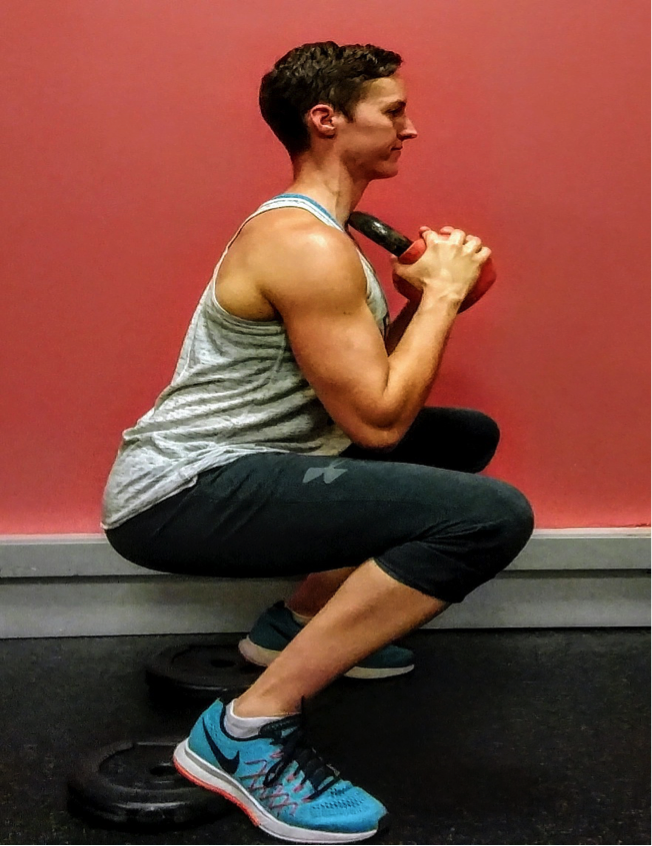
Goblet squat with raised heels. Goblet squats are excellent for building anterior core (abs) strength and maintaining balance while learning the movement pattern. If someone has tight calves, or several other potential lower body issues, adding plates under their heels allows them to move more smoothly.

4) One Exercise You Cannot Do Without. And Why?

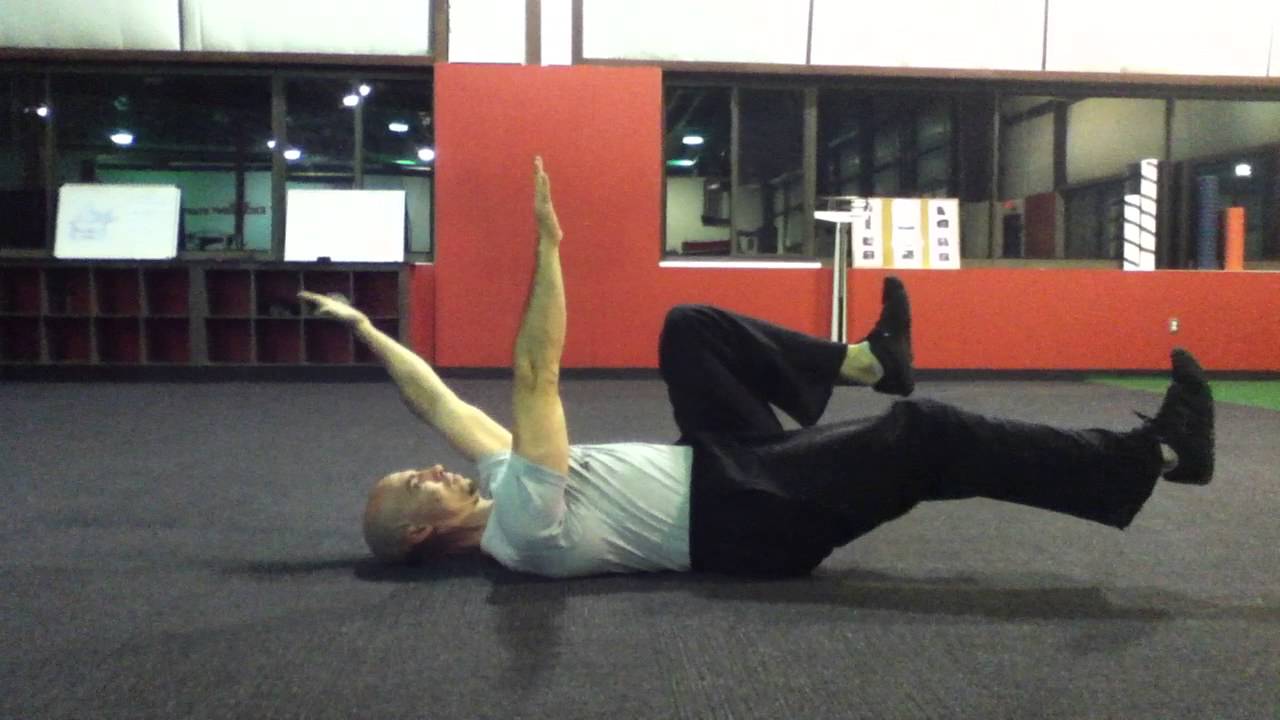
While I’m tempted to pick the phenomenal, almost as good as bacon, exercise of the Deadlift, my final answer will the ASLR (Assisted Straight Leg Raise) with band. This exercise is incredible for building core strength, teaching tension, and getting the hips and abs to work in unison.


Meghan Callaway, Strength Coach

1) Number One Foam Roll Drill. And Why?

Truthfully, I don’t do much with the foam roller. In most cases, I find that when you prioritize stability, the need for foam rolling is much less. While rolling out your quads might feel good, I don’t think it will make or break your performance or overall health.

Many people expend too much of their time energy aimlessly using the foam roller, when their time would be better served focusing on improving other areas of their overall health and fitness.

Note From Tony:

https://www.youtube.com/watch?v=TAryFIuRxmQ


2) Number One Mobility/Flexibility Move. And Why?

I will occasionally use the foam roller to perform thoracic mobility drills, particularly flexion and extension. Of course, whether I use this drill will depend on the individual, and their unique needs.

I like to use the roller to perform band resisted hamstring curls, a single arm push-up/roll-out combo, or ab roll-outs, but obviously these are not flexibility/mobility drills.


3) Your Number One Squat Regression. And Why?

The goblet squat is one of my go-to squat regressions. This exercise helps people master the squatting movement and acquire the requisite levels of technique, strength, and controlled mobility so they can progress to performing more advanced squatting variations.

I also like the landmine squat for the same reasons. (Are Meghan and John Rusin related?)

Negative Goblet Squat


Negative 1.5 Rep Goblet Squat

4) One Exercise You Cannot Do Without. And Why?

I can’t pick one exercise, so I’ll choose two. I cannot go without trap bar deadlifts, and pull-ups, particularly some of my crazier ”play” variations.

Trap Bar PR, Baby


Climbing Pull-Up w/ Towels


Dr. John S. Rusin, PT, DPT, CSCS, ART, FMS1-2, SFMA, FDN

1) Number One Foam Roll Drill. And Why?

3-Way T-Spine.

It’s important to understand that just because you are utilizing the foam roller as a tool doesn’t necessarily mean that you are addressing soft-tissues. The foam roller can be a powerful manipulator of position in the spine, pelvis and extremities due to the acute force angle it has the ability to create.

So, do I view the thoracic spine foam rolling technique as a self-myofascial release technique? No. I view it as a corrective exercise that addresses the mobilization of the thoracic spine. Like this for example.


2) Number One Mobility/Flexibility Move. And Why?

Single Leg Adductor Rock Back with T-Spine Rotation

Most people have lost the ability to stabilize their pelvis and lumbar spine. This is a problem since the lower portion of the spine is anatomically designed to be stable; it functions best under low amounts of relative movement.

Creating super-stiffness at the pillar is nonnegotiable if you’re a lifter. It starts with positioning the pelvis and lumbar spine together synergistically. But achieving a position is vastly different than maintaining a position, especially when there’s a heavy barbell on your back.

That’s where this movement comes in. It’ll help you brace your core by creating tension in a controlled environment. You’ll relearn what stability should actually feel like.


3) Your Number One Squat Regression. And Why?

Landmine Goblet Squat

This variation provides the full body stability benefits of placing a load into the anteriorly loaded goblet position, but also aids in the balance and coordination requirements of the squat pattern by increasing the ground contact between the barbell and your hands.

Instead of just having your feet in contact with the ground, the barbell is in contact as well.

The unilateral position of the barbell also alters the strength curve, pushing you back into your hips further and further as you ascend deeper into the squat pattern. This characteristic is what makes this variation of the goblet squat the logical starting point for rebuilding the movement pattern from the ground up.


4) One Exercise You Cannot Do Without. And Why?

 Trap Bar Farmers Carry.

For long-term orthopedic and functional success, you should be able to pick up a heavy object, stabilize, then walk with it. The inability to do so is a sign your grip is fragile and that you’re susceptible to chronic issues in places like the lower back, shoulders, and elbows.

Not many gyms have dumbbells that go up into the 200’s, so don’t think carries are limited to dumbbells. If you want to train grip with continuous progressive overload, the trap bar or farmers-carry handles, which can be loaded with weight plates, are your best bet.


Eric Bach, BS, CSCS

1) Number One Foam Roll Drill. And Why?

Side Lying Windmill

Why: Chances are you’re spending hours each day in a crouched, internally rotated position which leaves you with poor posture and terrible thoracic mobility. And chances are you like to hoist heavy bench presses every Monday despite your shoulders screaming at you.

While I’m not going to tell you not to bench press, I will tell you to combat poor posture and battle back against achy shoulders with the side lying windmill on a daily basis. Posture takes time to improve. This simple drill attacks one of your biggest weak points to long-term, pain-free training.


2) Number One Mobility/Flexibility Move. And Why?

Groiner with T-Spine Rotation

Why: The groiner with the t-spine rotation attacks two common weak points: hip and thoracic mobility.

By killing two birds with one stone you’ll open up pain-free ranges of motion to improve both upper body and lower body training during a warm-up.


3) Your Number One Squat Regression. And Why?

To improve the squat patterns, I’ll move clients from a typical back squat all the way back to a bodyweight squat to a box.

Why such a regression?

It’s much easier to rebuild a movement from the beginning than taking a stab in the dark with other regression models. By doing a body weight squat to a box you’ll reinforce basic mechanics from holding an active foot position to properly shifting the hips back, pushing the knees out, and bracing the abdominals without weight.

Often, this simple regression will progress quickly through the following process: bodyweight squat to box>bodyweight squat>goblet squat to box>goblet squat> goblet squat with 5 second eccentric> barbell squat of your choice.


4) One Exercise You Cannot Do Without. And Why?

Front Squats.

For starters, front squats require hard work, which most gym goers avoided like the bubonic plague, opting to post every gym P.R. and dozens half-naked selfies on Instagram. Further, few exercises match the high-performance benefits of the front squat.

  • Anterior bar placement keeps the torso vertical, preventing the hips from going into an excessive anterior pelvic tilt, and requiring incredible core strength to prevent flexing forward.
  • Anterior bar placement forces lifters to attain an upright posture, decreasing shear stress on the spine, a bonus for minimizing back pain.
  • Front squats require scapula and clavicle elevation and upward rotation to keep the elbows up and the bar in proper position. This requires the traps, serratus anterior, levator scapulae, rhomboids, and lats to work in conjunction to hold position and prevent you from dumping the bar forward.

This gets you yoked and prevents you from developing smeagol like posture.


Wrapping Up

I hope you take this new-found knowledge and apply it to your own or client programs. These exercises will have you and your clients moving and feeling better and crushing life.

And it didn’t cost you a dime.

About the Author

Shane The Balance Guy” McLean, is an A.C.E Certified Personal Trainer working deep in the heart of Texas. Shane believes in balancing exercise with life while putting the fun back into both.

Categoriescoaching Motivational personal training

Fitness Industry Survival Tips: Part Two

Last week Travis Hansen wrote part one and covered some arguable topics that you can focus on as a trainer/coach to help improve your personal and online training business over the long-haul.

He had more to say. Hope you enjoy part two.

Copyright: enki / 123RF Stock Photo

Fitness Industry Survival Tips: The Part Two Part

1. Develop a Niche

It’s a very competitive world and there are many sub-fields within the training industry that you can explore to try and make a living and attempt to specialize in. (i.e. fat loss, muscle building, bodybuilding, powerlifting, Olympic lifting, Crossfit, athletic development, bootcamps, corrective exercise, etc. etc.)

Trying to stay general and master all areas of training development is a pipe dream and self-limiting.

Just take a quick look at the best in the business, and they are once again sharing something by having a specific brand or niche.

Bret Contreras is the Glute Guy, Lee Taft is the Speed Guy, Charlie Weingroff introduced the concept of actual training for rehab purposes, McGill is the spine expert, The Cosgrove’s were the original face of fat loss for years, Eric Cressey is a shoulder genius and baseball expert, and so on…

Granted you could make a very strong case that these guys could hold their own in just about any type of debate about a specific subject matter.

Nonetheless, most have a specialty because training is extremely competitive and technical when you get into the nitty gritty and discover lots of depth on a topic. And as I mentioned in part #1, this is yet another reason why you will need a sound network, so that you know who to turn to when an issue originating in an area outside of your target specialty occurs.

Also, bear in mind that there is much overlap between speciality’s which will require strong foundations across many types of training, but be sure to be real with yourself always and make it a point to identify your limits and knowledge gaps.

2. Practice What You Preach

This one probably pretty much goes without saying at this point, but I still think it’s worth mentioning.

If you want immediate attention and respect from clients and athletes in the short-term then all you need to do is look the part.

For example, if you want to train bodybuilders then be a bodybuilder. If you want to attract football players then play collegiate or even pro football and watch the initial waves of players that come knocking on your doorstep.

But does all of this guarantee that you are going to keep clients coming back in for more?

Hell no.

Why?

People inevitably want what they want, and this is results!

Although, having gone through the type of training you are preaching will award a temporary competitive advantage since you have gone through the process…beyond that you will have to gorge yourself with info and be a “student.”

This is why you see many pro superstars that don’t evolve into becoming coaches after their career’s are finished. They didn’t learn all of the x’s and o’s. Training goes beyond just hard work and talent. You have to really dedicate yourself to craving more knowledge and learning both the science and art of training.

Conversely, on the other end of the spectrum you have guys that have very little experience in a style of training, but are absolutely phenomenal and world class at what they do. There are several examples but it’s not important.

These individuals are brilliant intellectually, and can identify angles and interpret information and research differently from the rest of us. They are of course the exception, and are few and far between though.

And just so you don’t think I’m talking out of my ass, here is a comparison video from years ago of me walking the walk:


I was running consistent mid to high 4.4’s from multiple people hand timing me. And there happened to be one day where I felt superhuman and did record a 4.31 (4.54 fully electronic)!

What I was really proud of is that I spent half of a decade trying to improve my speed because I love speed training.

I started at a 4.7-4.8 initially.

I researched every technique, book, research study, program, and periodization model that I could find. My goal was to run a 4.3 naturally, and once I did that I lost all of my motivation and wanted to help others with a similar passion in becoming as fast as possible.

Since then there has been hundreds of athletes follow our training system and become much faster. Which brings me to the next factor.

3. Build Your Portfolio

Early on in my training career I would spend money on business cards, pamphlets, etc. in hopes of generating business leads and potential clients since I had just become self-employed and hated the corporate scene.

This was the approach that was advocated by my circle at the time, but I must admit that it didn’t feel right at all and I quickly dismissed the idea and went a different route altogether.

I asked myself why am I trying to sell a service with out much evidence that it works, along with a crystal clear understanding of what I’m actually doing?

And that is when I decided to commit myself to constant learning and daily practice.

Moreover, I wanted to make the absolute most out of each opportunity that I had training each client.

My learning to client ratio at the time was like 9:1.

I wasn’t making really any money, but I had a large window of time that I could capitalize on outside of training to gradually improve my training skill set. Anytime outside of that was focused on being social and staying sane!

And then I would train my ass myself.

Over time, I had taken care of a lot of people, and my clientele incrementally started to grow. But my whole mission of being results based and results driven has never changed and never will.

Do good work and people will come. Word of mouth will start to surface, and then eventually you will have something tangible that you can really market and sell to the public.

4. How Do You Respond to Failure?

How you respond specifically to acts of failure is going to be a huge determinant in how far you go I’ve found out.

Like anybody, you are going to always take your lumps in this business or any for that matter.

Just accept it.

I think a big key factor is trying to minimize your failures and not make things harder on yourself than necessary. I can tell you firsthand that I’ve had days where I’ve completely sucked, cried, broke shit, sat there and shook my head in disbelief, and questioned whether or not it was all worth it, or if I really wanted to do this anymore.

A big part of the reason for this I think is because I have ridiculous goals and always have since I was 8 years old. And when you are miles and miles away from were you want to be, well it f*%ken sucks.

But when you start to become and remain accountable with yourself and you are constantly learning and practicing your craft with full effort, then it all starts to make sense eventually and things begin to fall in place slowly.

Wrap Up

On a final note, I really sincerely hope these two pieces may have enlightened you on a few things you may not have thought about with the profession and my full intention is to help you as much as possible.

Stay patient, grind, laugh, have fun, and try not to worry too much or be too critical of yourself. It will eat you alive!

About the Author

Travis Hansen has been involved in the field of Human Performance Enhancement for nearly a decade. He graduated with a Bachelor’s degree in Fitness and Wellness, and holds 3 different training certifications from the ISSA, NASM, and NCSF.

He was the Head Strength and Conditioning Coach for the Reno Bighorns of the NBADL for their 2010 season, and he is currently the Director of The Reno Speed School inside the South Reno Athletic Club.

He has worked with hundreds of athletes from almost all sports, ranging from the youth to professional ranks. He is the author of the hot selling “Speed Encyclopedia,” and he is also the leading authority on speed development for the International Sports Sciences Association.

Categoriesbusiness coaching fitness business personal training

Fitness Industry Survival Tips

Surviving in the fitness industry is tough. Now, granted, this isn’t The Revenant…we don’t need to worry about wrestling grizzly bears or anything. But it is pretty cut-throat out there and the one’s who “survive,” and do well, are the ones who can separate themselves from the masses.

Today’s guest post by strength coach Travis Hansen showcases some ways you can do just that.

Copyright: enki / 123RF Stock Photo


Fitness Industry Survival Tips

Trying to be successful in the fitness industry is a lot harder than most people tend to think.

The temptation for instant gratification and fly by night credibility is a very strong one, and provides with it a common misconception that you won’t have to grind on a regular basis, learn, and actually train people, not to mention generate legitimate results to remain alive in the business.

I’ve heard from a few credible sources that far less than 10 percent of individuals who start in the fitness business remain alive after a decade, and based on my experience that definitely seems to be pretty true.2

In this article I am going to share with you some arguable principles that I’ve utilized over the course of the past 12 years to stay alive and grow both my online and personal/athletic training business. I am by no means the most successful individual and I’m sure that many others could add to the list, but I honestly think the issues I am going to share with you are essential to your survival if you love this business and ultimately want to help people. I think everything stems off of the two factors I just mentioned and they serve as the groundwork for everything else to help lead you on your way.

So here we go….

#1- What Room Are You In?

Something that is very common I noticed from other trainers or even just the general public, is that there seems to be a constant battle in determining who knows more than the other person, or someone immediately jumps out and gets defensive if their current thought process is challenged by someone who may in fact be right.

I would be willing to wager a bet that our industry is far more guilty of this problem compared to any other profession with all of the hyped up trends that are out there still, hands down!!!

If you watch closely you will notice that the best in the business often times have their note pads out, eyes locked in on the person they are interacting with, ears open wide when they are trying to learn anything they can take away from the present conversation, and more times than not, don’t engage in these petty intellectual ego driven arguments that accomplish zero in the long run, unless the individual is just that damn stupid and asking for it.

As Mike Boyle once said:

“ There is a reason we have two ears and one mouth.”

The harsh truth is that you should probably spend the first 10 years of your career searching out the people who make you uncomfortable and dumb for the moment and eventually it will all start to make sense, and I guarantee you will be surprised just how much better you get.

The last thing I want to discuss in this regard is that something world renown coach and gym owner Zach-Even Esh once said that really resonated, and that is that people are often times uncomfortable and unsupportive of successful people as it makes them introspect and assess where they are at relative to their goals.

I honestly feel if that you start admiring successful people and try to emulate and even beat them then good things start to happen.

Don’t hate congratulate!

#2- Sacrifice

What a lot of surviving comes down to is how much you’re willing to do and sacrifice in order to achieve your goals.

Once you have mentally committed to doing whatever the hell it takes in order to achieve your goals without being illegal or walking over someone in the process then eventually you can start to grow.

I remember when I first got into this business I would buy and immerse myself into any fitness related material I could get my hands on to help build a solid learning filter. I was working 6-7 days per week for 8-12 hours per day. I would contact and pester any expert that would respond back to me with questions I had.

Luckily I stumbled across some great people that I still consult with today. You need very strong mentors and a network to better yourself and help your people.

#3-ASK FOR HELP

Never be afraid to ask for help or admit to your clients that you do not know something.

This only improves your credibility and earns more trust from your people in the long run.

Conan O’Brian once said in his late night talk show that saying you don’t know is often a sign of intelligence.

If you elect to retain your massive ego and state of ignorance, then you are only setting your education and growth back, and eventually your people are going to catch onto your bullshit and you will join the massive crowd of fly by night trainers that exist in our society today.

And remember you are only as strong as your network or alliance.

#4- Re-Invest

If you pay attention on social media, many times the high level practitioners and coaches in the field will send you subtle hints on how to be successful by showing you pictures of their personal training library and such.

There is also generally a very robust “Resource” section on every one of their websites where they show you where they learned from and how to improve your potential knowledge gaps.3

Your success will be ultimately determined by how smart you are, how hard you work, and how much you invest in your education and business. I never personally took out a business loan, but every paycheck and sometimes my whole paycheck was dedicated to learning material or small equipment purchases that accumulated into a bigger and bigger training setting or environment.

And then eventually once people see that you know what you are doing, you’re legitimate, and you get results, then they will more than likely invest in you and the ball just keeps growing bigger and bigger!

About the Author

Travis Hansen has been involved in the field of Human Performance Enhancement for nearly a decade. He graduated with a Bachelor’s degree in Fitness and Wellness, and holds 3 different training certifications from the ISSA, NASM, and NCSF.

He was the Head Strength and Conditioning Coach for the Reno Bighorns of the NBADL for their 2010 season, and he is currently the Director of The Reno Speed School inside the South Reno Athletic Club.

He has worked with hundreds of athletes from almost all sports, ranging from the youth to professional ranks. He is the author of the hot selling “Speed Encyclopedia,” and he is also the leading authority on speed development for the International Sports Sciences Association.

CategoriesFat Loss personal training Program Design

Accelerated Fat Loss

I’m still across the pond in London with Dean Somerset presenting our Complete Shoulder & Hip Blueprint workshop.4 I have zero plans to do work today, but a good friend (and colleague) of mine, George Kalantzis, was kind enough to pinch hit write for me.

He’s written several articles for this site and he’s a master at writing effective fat-loss programs.

Enjoy.

Copyright: ruigsantos / 123RF Stock Photo

Training For Fat Loss Sucks!

In fact, the cards are stacked against you and mainstream media keeps flooding you everyday promising you with six pack abs shortcuts and seven day cleanses to only leave you frustrated and tired of results.

But Not Today

Over the past 15 years of my life, I have had the chance to train with some of America’s finest men as a Marine, and coach alongside some of the best in the fitness realm. I’ve learned some pretty cool training methods and have helped people lose anywhere from 5-40 pounds in a matter of a few months.

Because you are here to pick heavy things up and see results, you want a training method that will optimize time and accelerate fat loss.

And to be lean and athletic, you need to utilize combination exercises in your training to build more muscle and boost the metabolism so that your body continues to burn off calories well after exercise.

Combination Exercises and How The Accelerate Fat Loss

The common mindset or misconception seems to be that you can shred fat faster by doing two things- lower exercise at a longer steady duration or crush yourself into oblivion with high-intensity training.

While both play a vital role in fat loss and a well-rounded program, no one has time to train multiple hours throughout the week, ( if you do, I applaud you) and if you want to accelerate fat loss and keep burning calories well after your workout, you have to work hard and smart.

That means you have to find a training method that will burn a ton of calories, promote muscle mass, and elevate the metabolism.

One of the best ways to accelerate fat loss is to utilize combination movements in your training program. Combination movements play a huge role in fat loss because they allow for the greatest muscle fiber recruitment and an increase in the resting metabolic rate.

By stimulating a greater amount of muscle fibers during a workout your body will see huge increases in metabolic demand, which in turn will increase EPOC (Exercise Post Oxygen Consumption). EPOC is the amount of oxygen consumed during recovery in excess than what would have been consumed at rest.

Essentially your body becomes a fat burning machine well after the workout.

Ok, so now that we’ve covered the why combination exercises work, let’s cover how to shred some serious fat!

How To Use Combination Exercises For Fat Loss

Just training hard and fast isn’t usually the answer to a good fat loss program. Or is running for hours on end on the treadmill and Stairmaster going to do the trick.

You need to stimulate the most muscle in the shortest amount of time while finding a sweet spot between failure and easy in order to boost your caloric deficit, a key component to getting shredded.

Combination exercises are great for fat loss because they use compound movement patterns with short rest periods and higher intensity. A must have for shredding that stubborn fat.

But before we get into the circuits, I want to walk about the method behind the madness of combination circuits.

I’m a huge fan of taking what has been known to work and finding out ways to make it better. Density training has been known as one of the best things you can to shred fat fast. The greater the density, the more fat you will burn. You can increase density by cutting rest times and set up circuits like the ones below.

Day # 1

1a) Upper/Lower Compound x12-15 Reps

1b) Push-up Progression 8-10 Reps

1C) Split Stance Progression/Core x6 reps

2) Quad Dominant x 5

2b) Vertical Pull x 5

2c) Core

Day # 2

1a) Upper/Lower Compound x12-15 Reps

1B) Inverted Row x 5

1C) Single Leg RDL Combo x 6/leg

2a) Hip Dominant x 15

2B) Horizontal Press x 5

2C) Core

These circuits are a bit more advanced, so use them as a starting point and make modifications where you can

Pre-Exhaust Method Combination – Then Heavy Equals Accelerated Fat Loss

Not all circuits are created equal. To stimulate the most muscle during a workout and keep burning fat well after the workout, you need to shock the system.

Traditional fat loss programs include lighter weight and higher reps to produce results. And while there is nothing wrong with those programs, I like my clients to maintain muscle while shredding fat.

This is where I like to combine pre-exhaust training with heavier training to accelerate fat loss. Pre-exhaustion is a way to fatigue the muscles before hitting them with compound multi-joint exercises. This method is old school but is a great way to wake up the muscles prior to the larger lifts and stimulate muscle growth. Which means you get to build some more muscle and keep shredding pounds.

Fair warning, just because the reps are higher and the load is lighter, does not mean it will be easy.   You will soon begin to feel what pre-exhaustion meals into your second and third set.

Pre- Exhaustion Set For Fat Loss Looks Like This

A1) DB RDL/Bentover Row Combo x 12

A2) Tempo Pushup x 3-0-3 x 8

A3) Walking Lunge Into Renegade Row 6/side


Then You Would Rest No More Than 90 seconds and Get Right Into Heaver Weights

B1) Double Kettlebell Front Squat x 5

B2) Pull-up x 5

B3) Side Plank With Knee Drive 5/side

A second day would look like this

A1) Kettlebell Squat To Press x 12

A2) TRX Inverted Row x 10-12

A3) Single Leg RDL To Reverse Lunge Combo x 6/leg


B1) Kettlebell Swing x 5

B2) BB Bench Press x 5

B3) Push-up To Mountain Climber 5/side


Accelerated Fat Loss Summary

For most people, when it comes to shredding fat, being consistent with eating healthy and working hard produces results. Sometimes, you will need to think outside of the fat loss box and mix it up with different styles of training.

Harder, shorter training sessions work better than high reps and lower weights because they force you to recruit more muscles than a typical training session. Attack fat loss training with a specific goal and stick to it for at least 4-6 weeks. Use the training methods above at least two days a week and you will begin to see a transformation in your body composition.

Author’s Bio

George is a Marine Corps Veteran of 9 years and was awarded an honorable discharge after deployments to Iraq and Afghanistan. He is currently a Master Instructor and Personal Trainer at Equinox in Boston and a licensed massage therapist.
Outside of Equinox, George maintains a fitness related blog that can be found at www.sgtkfitness.com.
He and his wife Shawna reside in Manchester, NH with their daughter Melina and fur baby Lola the dog.
Categoriescoaching personal training

5 Biggest Learning Curves in My First Year as a Coach

We’ve all been there: Year #1 as a coach and all the “deer in headlights” shenanigans it entails. I look back at my first year as a coach and it’s hard not to cringe. I made a lot of mistakes and did a lot of stupid things.

But I also look back with fondness. 

For starters I had more hair back then, but also it was a year or exponential growth as a fitness pro. Many of the lessons learned in that first year were lessons I still carry with me today. And in today’s guest post by UK-based trainer, Jake Hartley, he shares some of his Year 1 experiences that I’m sure many people reading can glean some insight from.

Enjoy!

Copyright: wayoutwest / 123RF Stock Photo

5 Biggest Learning Curves in My First Year as a Coach

What do you think about when you look back at your first year as a coach? Are you shocked at how much more you now know, your progression since then or maybe you even look back with a little bit of regret?

Last year, with my Sports Science degree in my pocket and a head full of ideas, theories and a little bit of nerves, I started my first coaching role at Strength & Performance. Initially, I thought I already knew a good amount to start off with, but as I soon learned, its not all about telling someone what exercises, weight, sets and reps to use.

By the end of the year I can safely say that the experience I gained and lessons I learned have made me a much better coach. I guess this is what all coaches want, to consistently learn and sharpen the sword so that we are in a better place to best help the people that we train.

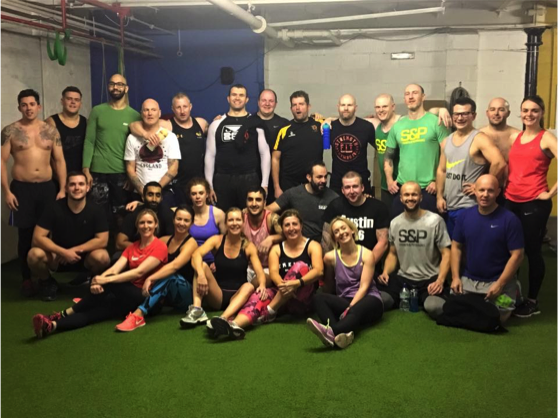
Some of the S&P gang during one of our warrior nights last year.

Here are my five biggest lessons from last year and hopefully I can provide you with something that will help you become better:

1. Not One Person is the Same

At S&P we usually train in a group setting, so during a session I can be coaching between 2-10 people.

What I quickly realised is that I can’t use the same coaching approach for each and every person.

One guy will just need re-assurance, encouragement and slight guidance. Whilst in the same session you have someone who is new to the programme and needs constant cues on exercise form and answering questions about why we are doing this and not that.

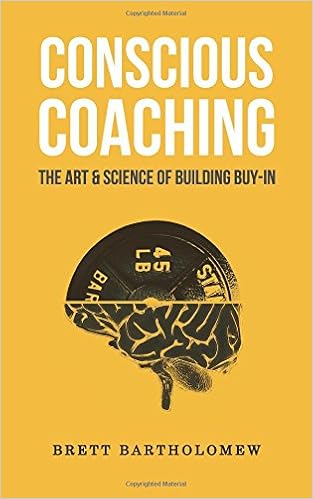
I’m reading a great book at the moment by Brett Bartholomew called “Conscious Coaching” (If you haven’t added it to your collection yet, I highly recommend it) One of the areas the book discusses is how people are different types of archetypes. The strengths and weaknesses, plus how to best connect with these archetypes when you’re coaching them.

I now know that when working with a person for the first time, I need to try and find out which approach they will learn/work best from.

Remember “one size doesn’t fit all”.

With every person that you train, you need to gain their respect and trust, to do that its going to require slightly different methods for each one.

2. Maintain the Thirst for Knowledge

The job is full on.

Don’t get me wrong, its my passion and I wouldn’t change it for anything, but you will have early starts and late finishes. It is stressful and you need to make sure each and every session that you give your clients the best version of you whether its your first session of the day or your very last.

But despite all these demands, you have to make time for learning new things and developing your knowledge base.

Want to know the good thing? I think its easier than ever!

Living in the UK, a lot of the coaches I look up to are based in America, so getting to a workshop or a course isn’t as simple as I’d like.

Don’t get me wrong, you can’t beat actually attending a seminar or a workshop, I managed to complete the CPPS Level 1 Certification by Joe DeFranco and Jim Smith last year which was a massive help to me.

However, these days there is so much quality information on a range of topics on the internet. Want to know the best part?

Most of it is free.

I’ve developed a lot of great sources which I read/listen/watch weekly.

We all learn differently, if you know you’re someone who prefers hearing information rather than reading it than find more podcasts to learn from. Similarly if you’re someone who loves watching how people coach/train rather than listening about it, subscribe to some good quality YouTube channels.

I’m someone who doesn’t generally have a preference so for every article I read from places like EliteFTS.com and Juggernaut, I’ll probably watch a video from MobilityWOD or Gary Vaynerchuk. Make sure you develop your own set of websites, podcasts and YouTube channels to make sure you keep pushing your knowledge base to the next level.

Develop your learning resources and don’t just think about training. Gary Vee is my go to man for motivation.

3. My Favourite Quote for Clients

“Show me a man who cannot bother to do little things and I’ll show you a man who cannot be trusted to do big things.” – Lawrence D.Bell

This quote came up on my Twitter feed a few weeks back and I think it perfectly sums up people who want the most advanced methods of training and nutrition before they have even done the simple things.

As a coach you will work with people who feel they’re more advanced than they are. You’ll have people who haven’t trained for years and have done nothing but eat microwave meals since college who will want the most advanced programs despite being unable to perform a bodyweight squat.

Whenever I see something like that it makes me want to do my best Farooq impression from back in the day, “Damm!” (How cool was WWE back then!?) before I go over and correct them.

People need to build the advanced methods of training and nutrition on an ALREADY STABLE base of the basics.

For every person who is benching, squatting and deadlifting a lot of weight, they will have learnt how to do the fundamentals (press ups, bodyweight squat and hip hinge) before hand. Without this base, your structure is going to come falling down sooner rather than later.

As a coach it is our role to ensure that each client is educated and takes the logical steps necessary to help them get closer towards their goal.

Yes it may be cool to have your client doing a load of fancy looking exercises along with an in-depth nutrition plan. But, having them do a programme based on the fundamental movement patterns along with having them eat enough protein, drink enough water etc may be better suited to they’re current status and ability.

4. Some of Your Best Results Aren’t Going to be Six Packs

Getting people the aesthetic goals such as bigger arms or that sculpted six pack are very impressive. But sometimes the best results you get with people are the ones you necessarily don’t see.

We work with a range of people on a daily basis, going from people who have never trained before to MMA athletes. This means that each person’s goals or reason for coming to us is going to differ. Some of the best things I heard last year is when people say they can now play with they’re kids on the park without getting out of breath.

As I said aesthetic results are great, but when somebody can now spend more quality time with their children for example it feels great to have played a part in that.

It sounds like a simple thing, but when you hear of results like that or how they can now walk up the stairs without getting out of breath, its just as good a feeling as somebody getting great aesthetic results.

At first, I often felt frustrated or upset that not every client that we train was getting results. But, you quickly learn that by celebrating the different types of achievements that people collect can be great for your mindset.

5. You’re More Than a Coach to These People

For some clients you’ll just be the person who writes the programme and tells them how to perform exercises etc. To other people you’re a source of inspiration or somebody they can lean on during tough times.

First and foremost, I have to be someone who sets the standard for the clients to look up to and follow. I had spells last year where I didn’t train (I honestly couldn’t tell you why) and as a result, inside I just felt like I wasn’t as good as a coach.

This year my trainings on fire, I’m eating well, I’m pushing my self-development and as a result, I feel my coaching is at a decent level (I’m always horrendously harsh on myself!).

As well as setting the standard to the clients, I now realise just how many roles that this job entails. I can go from advising somebody on how to improve their nutrition to speaking to somebody about how bad their day has been and trying to lift them up and get them in a good place.

Don’t just try and be great with the training side of coaching, also be a great person to the people who trust in you. You can be a big difference in these peoples lives and thats not to be under estimated.

About the Author

Jake Hartley is a BSc CPPS certified strength and conditioning coach at Strength and Performance in the UK.

When he isn’t working he enjoys trying to become a better than average powerlifter, holds the UK record for most chocolate milk consumed in one year and listening to the best slow jams the RnB industry has to offer
Any questions that you require an answer to help you in the gym, feel free to e-mail him at jake@strengthandperformance.co.uk
Categoriesmindset Motivational personal training psychology

The Planet Fitness Myth

We’re stuck in an emotionally devoid rut. And Planet Fitness isn’t helping.

I am all for showering my fellow humans with compassion and empathy. Treat others as you’d like to be treated isn’t a bad way to go about doing things.

However, taking politics out of the conversation5, it’s a safe observation to note we live in an era where we have a proclivity to shield people from “bad” feelings or from experiencing failure or hardship.

Social media plays into it. I mean, everyone on Facebook and Instagram lives in a world of butterfly kisses and rainbows (and delicious looking entrees), and it’s hard not to compare and feel up to snuff amongst everyone else’s hunky-doriness.

Society, in general, plays a massive role too. All we need to do is look towards the idea of participation trophies and “safe spaces” to note how we’re seemingly desensitizing people from a wider spectrum of feelings and uncomfortableness.

NOTE: I’d highly recommend checking out the Pixar movie Inside Out. The whole vibe of the movie is to demonstrate that feeling sad or angry or scared is okay…and that it’s a normal, nay, a necessary component of growth.

In today’s guest post by Texas-based personal trainer, Shane McLean, he does a brief “deep dive” into the phenomenon of Planet Fitness and how it mirrors much of the sentiment above.

I.e., shielding people from failure and uncomfortable situations. Is it really helping?

Don’t worry, it’s not an anti-Planet Fitness diatribe. There’s no need to preach to the choir here. However, bringing the (albeit slight) nefarious side of why Planet Fitness even exists is something I find very interesting and something worth discussing.

Enjoy.

The Planet Fitness Myth

The first time I entered a weight room, I had absolutely had no idea what to do or how to get started. However, isn’t that the case with almost everything we do for the first time?

The start of the New Year brings a stampede of newbie gym-goers who enter a gym for the first time disappointed by their ever-growing waistlines. They usually head straight to the cardio machines to watch TV or to the dumbbell rack to do endless variations of biceps curls hoping their belly will magically disappear.

The regular gym folk may get annoyed when ‘their’ gym is full or the machines have all been taken or the biggest granddaddy of them all, the squat rack is being used for biceps curls. This one makes me mad. How mad? This mad.


These newbies are looking to lose a few pounds and think doing endless sets of curls is no big deal. They just want to look better naked and are (usually) not interested in strength or performance goals.

The newbies may feel judged or intimidated because of the looks they receive from the regulars or from the lack of help they receive from the gym staff. Whether these feelings are real or imagined, they have led to a rise of gyms, like Planet Fitness, who market themselves as the “non-gym.”

Planet Fitness, which started in 1992 in Newington, New Hampshire now has over 1000 locations and 7 million members making it one of the largest health clubs in the U.S.

With their cheap per-month membership and their slick advertising slogans such as Judgement Free Zone®, Gymtimidation® and their world famous Lunk™ alarm, Planet Fitness is doing a great job of attracting these disenfranchised exercisers.


Planet Fitness has built its reputation on maintaining a non-competitive work environment which has led to banning of certain exercises (which happens to be my favorites) and certain types of lifters.

They keep their costs down by omitting fancy stuff like juice bars and personal trainers and by not following every exercise fad. They stock their facility with good old fashioned cardio, weight machines dumbbells and barbells and not much else.

I think Barney the dinosaur and LSU would approve of their color scheme. However, I’m not a fan of purple

They also offer free pizza, bagels and even tootsie rolls to their members on the gym floor. What an ingenious idea. Can you imagine holding a slice of pizza in one hand and doing curls with the other? It boggles the mind with other possibilities.

It’s not my intention to rag on Planet Fitness because the facts speak for themselves. They are doing quite well and have cornered their share of the market, and they keep on growing.

However, I take exception to the way they portray non- purple commercial gyms.

Our first commercial gym experiences were probably similar. We were surrounded by people who were in much better shape than we were. They were bigger, faster and stronger and most of them knew what to do.

We’d scan the room and realize, “Shit, I’ve got some work to do.”

Sure, we may’ve felt slightly intimated or maybe even judged by the other regulars at the beginning but those feelings will fade with time and sweat equity.

Being out of ones “comfort zone” is necessary for growth, don’t you think?

Instead of cowering in the corner and waiting for free pizza, I used this as motivation to get better. People who have taken the time, effort and sacrifice to get in shape should be role models to others and not kicked out of the gym because they’re ‘too muscly’ or for making too much noise.

The gym floor isn’t a church after all.

Furthermore, in my experience these type of people are more than willing to help and share their tips, tricks and techniques. Sure, they might be intimating, but once you get to know them, they could be as gentle as a pussy cat.

Planet Fitness fits right into the era where we give out trophies for participation and ribbons for finishing last. Nobody likes to lose and nobody wants to get his or her feelings hurt.

However, this doesn’t fit with real life. We lose. We get our feelings hurt. We get judged. We get intimated by a situation or a person. Either we pack our bags and go home or use this as a learning situation and move onward and upward.

I’m assuming I’m preaching to the converted here. You take your health and fitness seriously and invest time, money, effort and sweat equity into it. However, if you have a friend, family member or co -worker interested in joining Planet Fitness, tell them this

  • The deadlift is an awesome exercise that strengthens the whole body. Have them read THIS.
  • Having temptation around when trying to make a change is a sure way to fail.
  • Excluding certain people from the gym doesn’t mean judgment and intimdation stop.
  • Those feelings described don’t last. Whether they’re real or imagined, use them for positive change.
  • How can you tell if people are judging you anyway? They might just be checking you out.

Wrapping Up

There will always be gyms who compete only on price and price alone. However, most people’s health and fitness is worth way more than $10 per month and free tootsie rolls.

No matter how delicious they are.

About the Author

Shane “The Balance Guy” McLean, is an A.C.E Certified Personal Trainer working deep in the heart of Texas. Shane believes in balancing exercise with life while putting the fun back into both.

Categoriesbusiness fitness business Motivational personal training

Hierarchy of Fitness Industry Success

There’s a lack of resources out there informing new(ish) fitness pros what it takes to be successful in this industry. I thought I’d take some time to offer my two cents.

I’m not even going to swear, that’s how professional I want this post to be.

Copyright: yarruta / 123RF Stock Photo


I’d be remiss not to give credit to Alwyn Cosgrove who wrote one of the best fucking6 fat-loss articles I’ve ever read way back in 2007: The Hierarchy of Fat Loss. It’s an article I still refer to to this day and obviously served as inspiration for this one.

As with fat loss, when it comes to not sucking in this industry and being successful (whatever that may mean to you7), there’s a hierarchy of things that should be met and/or prioritized.

Just to be clear, having the cutest cat in existence isn’t one of them.

But it doesn’t hurt either.

Based on current trends you’d think all you need to become successful in the fitness industry is a YouTube channel, an endless collage of Yoga pants, or some kind of witty self-promotional title like, I don’t know, “Paleo Pirate” or “Han Swolo.”

[Not sure if those are already taken, but if not, you’re welcome]

I understand it’s popular and altogether easy to rag on “fitness celebrities.” I do it too and it’s often warranted. By the way, THIS article is one of the better ones in recent memory.

However:

  • I don’t have a million followers. You don’t have a million followers. Let be real: We both want a million followers. They must be doing something right.
  • Writing a snarky Facebook status or Tweet isn’t going to help anyone or solve the divide, so I decided to do something productive about it.

Hierarchy of Skillz

The roots of this post can go back several years, when we started our intern program at Cressey Sports Performance. Almost inevitably, when asked what they wanted us to cover, every new intern class wanted to go over more nuanced topics right away like assessment, PRI, or why my music playlist was way better than Eric’s

Yet, many couldn’t tell what muscles upwardly rotate the scapulae or coach a proper squat if their life depended on it. Or, on occasion, some weren’t socially comfortable enough to take the reigns on coaching someone in the first place: whether it was breaking down someone’s squat or demonstrating a proper deadbug.

It flies in the face of what many young coaches today are programmed to think, but, no, Instagramming your deadlift won’t get you into Men’s Health.

You’re going to have to build some career capital and experience the old fashioned way.

I’ll break down my hierarchy in more detail in a minute. Before that, however, I want to have a real, un-censored conversation. Here’s the umbrella theme I want you to consider the rest of the way:

I give you PJ Striet ladies and gentlemen:

Work ethic. Cliched but true. Not many are willing to get out of bed at 4:30, get home at 8, and turn around and do it again and again, for YEARS. You work when other people don’t-early mornings, late nights, holidays.

And you have to combine that with the wherewithal to over deliver, all the time. I used to show interns a picture of a BMW or Mercedes and tell them “This is what your future clients could choose to spend their money on each month for what they will pay you. You better bring it, because this car is a helluva lot more attractive than doing lunges and rows.” This is where the people skills come in.

I’m not going to millennial bash, but most young trainers just ask me how to get in magazines, get book deals, etc. The thought of spending 17 years, much of which was spent doing one-on-one training over 14 hours a day, isn’t really appealing. God I sound like my late father.”

Categoriescoaching Exercise Technique personal training Program Design

If You Want Bigger Arms: Squat

At the expense of sounding like an uber meathead, squats pretty much solve anything. You want to be stronger? Squat. You want more muscle? Squat. You want to lose fat? Squat. You want to beat Captain America in an arm-wrestling match? Squat.

Copyright: Kurhan / 123RF Stock Photo


About the only thing squats can’t do is help you grow hair, make you an omelet, and cure cancer10.

There’s a reason squats are a staple in most weight training routines, and today’s guest post by strength coach, George Kalantzis, breaks down the proper progressions most people should consider when starting for the first time.

Enjoy.

The Squatzzzz

“If you want bigger arms- squat. Squatting makes everything grow.”

Sergio Olivia, 3 time Mr. Olympia, on offering advice on how to get bigger.

Squatting has been around for centuries. It is one of the primary movements that Dan John says can impact your life, and also one of the best movements for mass strength and muscle development. Yet unfortunately squats are still one of the most neglected and butchered exercises in the gym.

But Why?

Squats are tough and working hard separates the strong from the weak. Squatting heavy stresses the entire body and it takes a lot of will power and strength to put something heavy on your back, drop down, and stand back up. Therefore most people neglect them altogether.

Then you have some people who claim squats are bad for your knees and stick to leg extensions and leg presses. While it is true that squats can place a lot of stress on the knees, it is typically the form and amount of volume that is the cause of knee pain.

In fact, from a exercise science point of view leg extensions can actually place more stress on the knees than squats because they are an open chained exercises. Open chained exercises like leg extensions cause the quadriceps to contract and pull on the knee ligaments and surrounding muscles without counteraction of the hamstrings. Squats actually recruit both the hamstrings and quadriceps.

Research (Escamilla, 98) supports that squats generate twice as much hamstring activity as leg presses and leg extensions. That same research suggests hamstring recruitment is advantageous to enhancing knee stability and functional capacity of the hips. Squatting does not sound that bad now does it?

Ok, I’m Ready Where Do I Start?

It is always important to start with an assessment to figure out where the you will stand in reference to squatting. Tony wrote an in depth post on that HERE.

Mobility Drills

After establishing a baseline, it is time to begin start preparing the body to squat. Starting with some light soft tissue work and warm-up drills will help prepare the body for full ranges of motion needed to squat and prime the nervous system.

Most people have a hard time reaching full depth in a squat and I have found that it is usually a lack of mobility in the areas of the hips and ankles often leads to compensations in the squat..

Core Engaged Deadbug

A deep squat requires proper pelvic position. If you arch your back to hard during a squat , your femur will have a hard time moving around in the hip socket. This is often the cause of the butt-wink.

A core engaged deadbug will help you learn how to keep the ribs down and control the pelvis which are needed for a good squat pattern.


Wall Hip Flexor Mobilization

This drill really teaches you how to keep your glutes tight, extend the hip and flex the knee at the same time to get a deep stretch in the quads. You should focus on getting the range of motion through your hips and not lower back.


Kneeling Glute Mobs

I love this mobilization drill because it really looses up the posterior chain and allows you to safely work on hip internal rotation without cranking on the knee.


Ankle Mobilizations Drill

An often-overlooked area of squatting tends to be the ankles. In order to squat to full depth the ankle needs around 4 inches of dorsiflexion. If the ankle is lacking the appropriate mobility, you may see yourself coming up n your toes, or not hitting appropriate depth.


Squat To Stand With Reach

By the time you have complete the other drills your body should be primed to squat. The squat to stand synchs the entire body and recruits all the muscles needed to perform a good squat. If you have a hard time getting into this position, you may no the ready to squat to full depth.


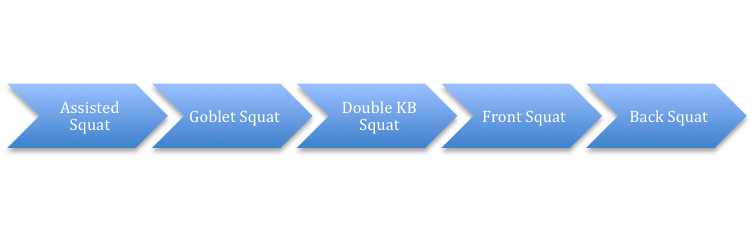
Assisted Squat

Assuming no pain or restrictions are present a great place to start is an assisted version of the squat. There are many ways you can do an assisted squat, but I like using a suspension trainer for assistance.

Holding a suspension trainer allows the trainee to work on static stability and groove a great pattern. Make sure the trainee maintains a neutral back position and uses as much assistance as needed in order to get to the bottom position.


Bodyweight Squat Versions

Once someone has mastered the assisted squat, it is time to move onto a bodyweight squat. Here you can really learn how to squat to full depth and drive up under control.

Sometimes people will have trouble with their heels coming up of the ground. If that is the case, you can create a little heel lift with plates or shoes to help the body recognize how to sit back onto the heels and reduce coming up off the floor.

Another common error for someone just learning to squat is a knee collapse. A great trick for that is to put a mini band around the knees. The bands feeds into the bad movement pattern by pulling their knees farther in and the body reacts by correcting the movement.


Goblet Squat

For most people, a goblet will be the basis of a squatting program. Legendary coach Dan John says that goblet squat is all a lot of people will need and there is a good reason behind that.

Grab a Kettlebell or dumbbell and hold it close to your chest. With your elbows pointing down, lower your body into a squat. Allow your elbows to be inside your knees and put pressure on the outside of your heels to help keep your knees out. Return to the starting position.


Many people are under the assumption that the Goblet Squat is just this plain ol’ vanilla squat variation that offer no variety. Au contraire! There are any number of ways to make it more challenging.

Goblet Squat Against Wall

Cannot seem to keep your back straight and knees from caving in? Try the goblet squat against the wall. Face a wall with your feet around 6-12 inches away from it and work to actively pull down into the squat.

Start further away and work closer to the wall, as you get more comfortable with the position.


Goblet Squat With Pause

Mastered the regular goblet squat? No problem, try a pause in the bottom of the squat. Pause reps will keep you honest, and really challenge your strength because you cannot rely on the momentum to pop back up from the bottom.


Goblet Squat With Heartbeat

This is one of my favorites to use with people, and it is one version that is not used that much. I first saw it from Mike Robertson when I was learning progressions for group training. It is great for people who have shoulder issues and really challenges the core.


Offset KB Squat

Holding a kettlebell on one side of the body will expose any asymmetries from side to side and really teach the body to own the position. Try to really focus on driving through the entire foot rather then shifting to the side of the kettlebell.


Double KB Front Squat

It only makes sense that once you have mastered the above it is time to load up. The double KB front squat is a great squat version because it really teaches you to sit down rather than back and down.

Essentially what you get is all abs and quads without demanding mobility requirements. It can be very humbling if you have never tried this before.


Front Squat

If you have become comfortable with the KB front squat and are ready for more of a challenge it is time to move on the barbell front squat.

Just like the KB, barbell front squats are all abs and quads. They are great because you have to really sit down into the squat rather than sit back or you’ll loose the bar. Due to the position of the bar your body must learn to stabilize the core instead of using back muscles to stand up. If you constantly get stuck hitting depth on a back squat this is a great exercise for you.


Back Squat

At this point, we have covered a lot of information on squatting. The back squat requires tremendous strength throughout the quads, hamstrings, glutes, hips, abs, and back. There is a reason why most people mess the exercise up or neglect it all together. If you have truly mastered the above exercises then it might be time to try a back squat out.

If you want to learn how to set-up, Tony wrote an awesome post HERE.

Conclusion

Squatting is a lot tougher then it seems. Consider hiring a coach for help on some of the barbell work, and if you are just starting out, goblet squat variations will surely get the job done. Try not to be a hero and start with something that is in between.

Quick things to consider before squatting:

  • If it hurts, you should hire a coach for an assessment and or see a qualified physical therapist.
  • Not everyone is made to squat to full depth or made to squat.
  • Squatting with a bar is not for everyone
  • When you first start out, you will not need that much weight, typically 45-55 % of your true max. Working on technique and conformability with the different squatting positions should be your first goal before trying more advanced versions.

References

1) Escamilla RF, Fleisig GS, Zheng N, Barrentine SW, Wilk KE, Andrews JR. Biomechanics of the knee during closed kinetic chain and open kinetic chain exercises. Med Sci Sports Exerc. 1998 Apr;30(4):556-69.

About the Author

George began his time at Cressey Sports Performance as an intern in the fall of 2013, and returned in 2014 as CSP’s Group Fitness Coordinator, overseeing all Strength Camp coaching and programming responsibilities.

George is a veteran of the United States Marine Corps and was awarded an honorary discharge after eight years of service. He possesses an MBA from Southern New Hampshire University and is currently attending massage school to become a licensed massage therapist.

Outside of CSP, George maintains a fitness-related blog that can be found at www.sgtkfitness.com.

He and his wife Shawna reside in Manchester, NH.

Categoriescoaching Exercise Technique personal training Program Design Strength Training

The Beginner’s Checklist for Deadlift Badassery

It’s the start of a new year and with it a proverbial reboot or rejuvenation towards one’s health and fitness. Well that, and a metric boat load11 of Facebook statuses of people complaining about all the “newbies” crowding the gym.

Copyright: langstrup / 123RF Stock Photo


I am not one to complain because 1) I don’t typically work out in a commercial gym 2) Nah nah nana naaaaah and 3) I think it’s a good thing when people decide to be more proactive, take an active role towards their health and well-being, and join a gym. I mean, really? Are you that inconvenienced? I can appreciate it’s slightly annoying when there’s a traffic jam at the power rack (made worse when people are using it to perform bicep curls) or that it’s more or less an obstacle course to walk around all the meandering patrons doing this thingamajiggy or that whateverthef***.

Relax. Deep breaths. It’ll all be over by the second week of February…;o)

Nevertheless, as pumped as I am that people take the initiative to begin an exercise regime, I’d be remiss not to cringe – just a little bit – at the overzealousness of some as they begin their fitness journey.

Last week was one of the rare weeks where I trained every day in a commercial gym (my wife was on vacation and I joined her at her gym) and while it was great to observe people getting after it, the coach in me couldn’t help but start to hyperventilate into a paper bag want to be a coach.

For example I saw a lot of people deadlifting. It was cool. I wanted to go over and high-five every single person. However, that would have been weird and possible justification for a restraining order I kept to myself, but past all of that was an insatiable desire to want to fix a lot of deadlifts.

I admired their intent, but I’d be lying if I said a small piece of my soul didn’t die watching a few people doing their thing.

You see, for a lot of beginners what I “think” ends up happening is that they watch a re-run of the CrossFit games on ESPN or watch videos like this:


…and are all like “that’s badass, I want to do that,” not recognizing that 1) a deadlift is much more than just bending over and lifting a barbell off the ground (regardless of whether it’s 1000+ lbs or 50 lbs) and 2) a straight bar deadlift (from the floor) is the most advanced variation of a deadlift there is. Not many people are ready or prepared enough on Day #1 to perform this safely and with proper technique.

So I figured I’d offer a sort of “check-list” for beginners to consider, and what I feel would be the appropriate progressions to follow to work up to a straight bar deadlift.

Note to Internet Hero Trainer Guy/Girl Who Will Inevitably Call Me Out On Why I Didn’t Address This Thing Or That: This is not a dissertation, it’s a blog post highlighting a few candid thoughts and processes. This is no where near an exhaustive breakdown of deadlift technique or programming.12

Checks and Balances

Everyone is different and there’s no ONE right way or variation or cue that applies across the board. People have different leverages, injury histories, and experience levels and it’s important to take all those things into heavy consideration when coaching anyone up on the deadlift.

I will say: I know what I DON’T want to see. This:

That’s pretty much THE golden rule.

Because it makes me do this:

There are any number of reasons someone’s deadlift may look like the above picture:

  • Lack of hip mobility to “access” the hip flexion required to get that low to floor.
  • Lack of t-spine mobility (specifically extension).
  • Lack of ankle dorsiflexion.
  • Lack of kinesthetic awareness.
  • The novelty of the exercise.
  • They were born on a Wednesday. I don’t know.

Obviously step #1 would be to address and musculoskeletal/mobility restrictions that may be present.

Lack of Hip Mobility

Wall Hip Flexor Mobilization


Dynamic Pigeon to Half Kneeling


Shin Box


Lack of T-Spine Mobility

Side Lying Windmill


T-Spine Extension (Done Right)


Lack of Ankle (and Big Toe) Dorsiflexion

This is a component that’s often overlooked. If someone can’t access dorsiflexion it’s going to compromise their ability to get into deep(er) hip flexion to get down to grab the barbell.

Active Ankle Dorsiflexion


Metatarsal Active Squat Drill


Lack of Kinesthetic Awareness

Oftentimes it’s lack of awareness of what the body/joints are doing in space that’s the limiting factor. I like to use the Cat-Camel drill to build context and to demonstrate what I don’t want to see (rounded back) and what I do want to see (neutral spine)


Addressing Novelty (<— This is HUGE)

Here we have the nuts and bolts. Much of time, even though the stuff discussed above is very important, it comes down to the novelty or “newness” of the exercise as to why some people fail. To be blunt, and as alluded to earlier, much of the reason why many fail at deadlifting from the get go (and end up hurt and using the lame excuse that deadlifts are dangerous for everyone) is because they’re too aggressive and end up gravitating towards variations (and loads) they’re not ready for.

They either don’t understand what it actually means to hinge through the hips (which is all a deadlift really is: it doesn’t always have to mean pulling a heavy barbell off the ground) and/or they fail to progress accordingly based off their experience and leverages.

Learning what it means to dissociate hip movement from lumbar movement step #1 in grooving a bonafide hip hinge. One of the most popular drills to do so is the Wall Hip Hinge. Unfortunately, as harmless and innocuous as it looks it’s easily butchered. Here’s how I like to coach it up:


Another drill I like is the Tall Kneeling Handcuff Hip Hinge. Here we can take some joints of the equation and place a KB behind the back, which, for some reason, works. I think Gandalf made it up.


If you’re’ interested in learning some more hip hinge drills you can check out in THIS article I wrote a few months ago.

Assuming I’m comfortable with someone’s hip hinge now it’s time to start adding some load.

Remember: You DO NOT have to use a straight bar, and I’d caution against it for more beginners. The only people who have to use a straight bar are competitive powerlifters and Olympic lifters. Generally the people who say otherwise are those who don’t coach people. So if some Joe Schmo internet warrior tells you otherwise tell him to f off.

While there are always exceptions to the rules my progression series is as follows:

1. Master Hip Hinge Drills.

2. Cable or Band Pull-Through.


3. Kettlebell Deadlift: Elevated if need be. And from there we can progress to pulling from the floor as well as ramping things up to 1-Arm KB Deadlift (which adds an additional rotary component), 2-KB Deadlift, and even Hover Deadlifts:


4. Trap Bar Deadlift: The trap bar (or hex bar) deadlift is an excellent choice for beginners or those with limited experience because of its user friendliness. This is often my “go to” variation for everyone I begin working with.

https://www.youtube.com/watch?v=p-sA3PG1kGY


  • For starters one’s center of gravity is inside the bar, which makes it easier to maintain an upright torso angle and a better neutral spinal position. All of which translates to less shear loading on the spine.
  • The elevated handles make it easier for those with mobility issues/restrictions – such as limited hip flexion and/or ankle dorsiflexion – to perform in a safe and successful manner.

5. Rack Pulls or Block Pulls: Here we can start adding anterior load. With the barbell now in front of the body the axis of rotation is further away which can result in more stress on the lower back. This is fine so long as neutral spine is maintained.

I’d note here that I much prefer Block Pulls. I find they have more carryover to the actual deadlift as you’re still able to get slack out of the bar (which you’re unable to do with a rack pull). Both are great options, though, when introducing straight bar variations.

Is your spine still attached? Can you still feel your legs? Good. Lets move on.

6. Sumo Deadlift/Conventional Deadlift: Look at you, son! Pulling from the floor now. Whatever variation allows for the most success, feels better, and guarantees proper spinal position is the one I’ll run with.

Sometimes people picked the wrong parents and their anatomy dictates what will be the best fit long-term. Generally speaking those with mobility restrictions, longer torsos, and short(er) arms will prefer sumo style over conventional. I prefer a middle-ground approach for many and often use a Modified Sumo Stance with my clients/athletes:

https://www.youtube.com/watch?v=q6Xjb72gGTE


None of this speaks to the other particulars I like to go over with trainees with regards to foot placement, hand placement, leg drive, common mistakes with lockout and the descent, not to mention appreciating, getting, and maintaining body tension. You can do a search on the site and find an abyss of other deadlift articles that go over all those things.

The goal today was to showcase my (general) approach to deadlifting with beginners. I hope it helped.

Addendum (Other Stuff I Wanted to Say)

1. Consider hiring a competent coach to show you the ropes. A good litmus test to figure out whether or not they know what they’re talking about:

  • Ask them if they know who Andy Bolton is.
  • Have him or her point to their posterior chain. If they point to their abs. Walk away.
  • They can differentiate between a deadlift and a squat.
  • They actually look like they lift weights.

2. Stop BOUNCING your repetitions. It’s a DEADlift, not a BOUNCElift. On each rep, when you return to the floor, you should come to a complete stop. “Reset” your air and spinal position, and repeat.

3. I HATE high-rep deadlifts, especially for beginners. Fatigue is going to compromise form. Try to stick to no more than 5-reps per set.

4. Home base – in terms of loading – should be in the 65-80% range of 1-rep max. Not that this means you should test your 1RM right away. The thing to consider is that you don’t NEED to train heavy to start. Beginners or un-trained individuals can train with as low as 40% of 1RM (Hint: that’s super light) and still reap all the benefits and gain a training effect. Honing technique should be the main goal at this point.

5. Anyone see La-La Land yet?

Categoriesfitness business personal training

Should You Discount Your Rates Or Offer Free Sessions?

The fitness industry gets the shaft sometimes. It endures godawful long hours, we work when others don’t, there’s rarely (if ever) paid vacation, and there’s almost zero barrier to entry which allows a bunch of numbskulls to mess things up for everyone else.13

Copyright: ruigsantos / 123RF Stock Photo


I can’t think of any other industry or profession where, more times than not, the expectation is potential patrons get to “sample” the service before they decide to purchase. Okay, admittedly, that 100% describes the process of purchasing a car. However that scenario is a little different. A car is merchandise. The fitness industry is a service industry.

I think it’s a fair question, and feel free to insert any other profession in place of dentist (it’s the first thing that came to my mind when I wrote the Tweet): lawyer, hair-stylist, plumber, tutor, financial advisor, professional Han Solo impersonator, anything.

I also think there’s no one correct answer and that whatever side of the fence you’re on – “yes, you should offer free consultations and services” or “hells-to-the-no you shouldn’t” – has it’s advantages and disadvantages. In fact, if there’s any question that deserves the canned “I don’t know” response it’s this one.

via GIPHY

However, upon further reflection I think the more germane response is…

“It Depends”

I remember when I was working at Sports Club LA (now Equinox) here in Boston back in 2006-2007 every new member received two “free” sessions with a trainer. I say “free” because the sessions were complimentary to the members but I was still compensated for my time. Not every chain does that of course, but you can bet they all have people on staff who’s sole job it is to sell, sell, sell and/or direct people towards the trainers. In Boston, like any major city, there are several notable, big chain commercial gyms vying for people’s attention (and wallets):

  • Equinox
  • Boston Sports Club
  • HealthWorks
  • LifeTime Fitness
  • 24 Hour Fitness
  • Golds
  • Planet Fitness
  • Beacon Hill Athletic Club

In addition there’s dozens of mid-level commercial gyms (not chains, but pretty big) peppered throughout the city, not mention a CrossFit box in every major neighborhood. That’s a lot of competition and it makes sense that many of them would offer a free consultation or discounted introductory rates on training to entice more people to join.

Copyright: wavebreakmediamicro / 123RF Stock Photo

Cressey Sports Performance business director, Pete Dupuis, discussed this very topic in THIS blog post, and one stat he brought up was that roughly 30% of people who are offered free consultations actually end up taking advantage of them. As Pete mentions:

“This may be a solid conversation rate from the perspective of the commercial gym owner, but not for the independent contractor who doesn’t see a single penny of the monthly membership dues these potential leads are paying.  A 30% conversion rate tells me that 7 out of 10 people decided that something for nothing was actually worth nothing.”

And that’s the thing: I don’t have the luxury of hundreds (if not thousands) of people paying a membership fee just to walk through the doors. Why would I offer my expertise and time for free when I have bills to pay?

Some people may counter with “well, if you offer free stuff it’s less intimidating and allows people to see whether or not you’re a good fit.”

There are a few points I’d like to offer here:

1. Again, try walking into a hair salon and asking someone for 30-60 minutes of their time in order to sample the goods and to see if “you’re a good fit.”

HAHAHAHAHAHA – no, seriously, do it.

2. This is my livelihood, not a garage sale.

3. Plus (and not that I would ever play this card), I’m Tony motherf****** Gentilcore. People, like, me. I’m cool as shit to hang out with. Deadlifts, EDM, and random 90’s Mariah Carey trivia? Who wouldn’t pay for that…;o)

4. When does it stop? You offer a friend a discount and then what? Discounts for life? The mailman trains for free?

Worse you offer one person a discount or free sessions and another client catches wind who didn’t receive the same discount and now things are going to get weird. It’s best to just draw the line in the sand and take pride in your rates.

5. As my boy Dean Somerset has noted: free stuff isn’t the same thing as free training. I have over 1,900 blog posts on this site that are free and will help point people in the right direction in terms of training advice. Please, peruse away. That takes zero of my time.

However, time = money. If you want that it’s only fair to be compensated for it.

6. With regards to free consultations specifically, here’s the deal: that’s my assessment. I’m not taking 60 minutes just to show someone how to put the pins into the machines or to gossip about who’s banging who on WestWorld.

I’m taking that time to dive deep into someone’s unique injury history, discuss goals, using screens to assess movement quality, and taking the opportunity to see how much (if anything) I need to clean up with regards to exercise technique. All of that is information I use to write an individualized program. There’s value in that, not to mention a college degree, a CSCS certification I need to work at to maintain, and years of continuing education. If there’s any time left over, cool, lets discuss robots banging each other. I’m down.

Other Miscellaneous Things I Want to Say, But Have No Idea How to Put Them In Coherent Order.

  • I’d be remiss not to say this: Have a filter. Experience matters in this context. If you are in fact a new coach/trainer there is going to be a degree of doing stuff you’d rather not do. The entitlement that permeates with new trainers entering this industry is dumbfounding. There will be times you may have to offer your time for free or offer discounts in order to get more eyes in front of you. It’s not beneath you to do so. Moreover, you may end up working for a year (or longer) earning “beginner” wages. It’s part of the gig. Suck it up.
  • What about online stuff and emails? I take a lot of pride in that I try to answer every email sent my way. I think there’s huge value with interacting with your audience and not being an uppity dick. I’m not that much of an a-hole that I can’t take a few minutes to answer someone’s question. Where it becomes absurd is when one question turns into 17, or someone sends an email that would rival War and Peace in length. I ain’t got time for that.
  • I feel strongly there needs to be some form of “buy in” for the person to take things seriously in the first place. If the session(s) are free and there’s no penalty (loss of $$) on their end to 1) show up and/or 2) be accountable there’s less likelihood they’re going to be invested in the process.
  • This is NOT to say I don’t feel there’s value in offering discounted training/rates sometimes. The peeps over at Mark Fisher Fitness are huge proponents of offering special one-time only offers of 20-25% off packages when people attend a special bootcamp or class. I like this idea! If you’re already making the time to be at a certain place at a certain time, go for it. Offer free shit. Make it a special charity bootcamp or, I don’t know, just because it’s Thursday. MFF’s rule is run the class, get people’s names, offer the offer, stalk them for 30 days with emails and phone calls, but after that stop.
  • Understandably, there are some commercial gym trainers who are stuck between a rock and hard-place who receive minimal help from management in terms of client referrals. In this scenario I sense some value in offering free classes or sessions. If it’s a matter of getting more eyes in front of you I’d suggest offering 15-30 minute workshops or hands-on sessions during your floor hours where you go over core training, fat-loss strategies, or maybe offer exercise technique tutorials. Here people can get a flavor for how you roll and decide if you’re a good match or not. You totally are by the way.

Have some of your own advice to offer? Please chime in below or on the Facebook feed. I know many people have different perspectives and ideas on this topic and I have no doubts others can and will benefit from your experiences.

UPDATE

I should address a common theme I see popping up from people who oppose my view point. And that is: “I want my plumber to come and fix the toilet and that’s it. There’s more to the conversation when you factor in client-trainer relationships and the importance of rapport.”

I couldn’t agree more.

Which is why I refrain from pressuring people into purchasing large blocks of training up front. You want to talk intimidating? That’s intimidating.

“Hi, we just met and I spent 30 minutes gently tapping your glutes, want to hang out more? That’ll be $1200 for 30 sessions mmmmkay?”

Stealing another train of thought from Pete Dupuis, I’d rather earn my client’s business month to month. I only offer monthly plans. That’s a more palatable pill to swallow for most people. And, on the off-chance someone doesn’t like my glowing personality (and sweet He-Man references) or feels we’re not a long-term match, I am totally cool refunding their unused sessions. That’s just Business 101. And not sucking as a human being.