CategoriesAssessment personal training

What You Weren’t Taught About Assessments

As this post goes live I’m (hopefully) en route back to Boston after attending Mark Fisher’s wedding in NYC this past weekend. I decided it best to pre-schedule something on the off-chance some crazy shenanigans went down, like, I don’t know, an impromptu dance-off with a unicorn or a shot of Tequila somehow made it into my hands.

Nevertheless, better safe than sorry…I needed to plan a head.

Today’s guest post comes courtesy of Boston-based strength coach and massage therapist, Mike Sirani.

Enjoy!

Copyright: dolgachov / 123RF Stock Photo


Oh, the assessment.

The assessment is one of the most pivotal moments when working as a personal trainer or strength and conditioning coach. It’s often your first in-person interaction with a potential client.

Even though brand awareness, marketing, and your reputation can all help your chances of success before the assessment even starts, you still have 30 to 90 minutes to sell a client on why you or your gym is the best person/place to help them reach their goals.

This can be difficult, especially if:

  • You’re young and/or new to training people.
  • You feel like you’re not as busy as you should be.
  • You have thoughts like, “I’m so much smarter than this other trainer, but they’re making way more money than me.”
  • You often scratch your head thinking things like, “I’ve taken PRI, DNS, FMS, FRC, SFG, and eat KFC, and despite all of my continuing education, the number of clients I see still isn’t growing.

If any of the above rings a bell to you, I believe this article can help you.

All the knowledge in the world is as useless as the Cleveland Browns on a Sunday unless you understand a few key things.

1) Most People Are Seeking Your Services to Get Fit

Somewhere along the way, physical therapy blurred with strength and conditioning, and strength and conditioning blended with physical therapy. It’s great for the field, and both do work optimally together, along the same continuum, but it’s important to know your role.

Most clients looking to improve their fitness don’t give a shit about their pelvic inlet position or posterior mediastinum’s or the 10-degree difference in hip internal rotation from side to side. When you start throwing out those terms, you’re just a big weirdo. Here’s what I recommend instead:

Listen

  • Be an active listener.
  • Have good body language.
  • Ask the right questions. All of your questions should help you build rapport and lead towards making good clinical decisions in order to help the person in front of you.

Meet Them Where They’re At

  • Don’t put down or talk bad about someone’s previous exercise programs, especially if it’s something they enjoy doing.
  • Making them stop doing something they enjoy should be your last option and done only if you’re 100% sure it’s holding them back from reaching their goals.
  • People will have pre-conceived notions and it’s your job to educated them—but also respect their views and understand that not everyone will be a good fit to work with you.
  • I currently train clients who are yogis, cyclists, triathletes, Cross Fitters, Pilate’s enthusiasts, and runners. What do they all have in common? They see value in my service, enough to limit how much they’re doing of their other activities to make room for strength training because it will help them reach their goals and allow them to continue doing the activities they love

Actually Come Up with a Fitness Plan

  • Here’s an idea: Instead of throwing someone through the gamut of corrective exercises on Day 1, why don’t you bring them through a brief workout?
  • Show them what they’re good at, show them what they’re bad at, and actually coach them through different movements.
  • Then work with them to come up with the outline of a plan that you’ll use to guide them towards reaching their goals.

2) Context Matters!

It’s clear that above I poked fun at a few philosophies and anatomical terms. Please don’t get me wrong. I don’t condone being one of those trainers who is all about doing an exercise only because it looks cool and fun. The better you know your anatomy, physiology, biomechanics, and pain science, the more potential you’ll have to be a great coach.

But, as a coach, you must also take all of that knowledge and put it in CONTEXT for the client to UNDERSTAND, APPRECIATE, and VALUE what you are saying.

You see, we take these continuing education courses that are catered towards physical therapists, massage therapists, and chiropractors and think we can explain things the same way when bringing someone through a fitness evaluation. Often times in a course, you’re explaining that increasing this range of motion or decreasing tissue tension in this area will help alleviate pain.

What if your client isn’t in any pain and they just want to get fit? What do you do then?

Consider learning how to re-phrase things and put them into context that not only work for fitness and performance, but put value in what you can do to help them reach their goals. Here are a few examples:

  • A right-handed baseball player who lacks passive hip internal rotation – “When we increase your hip internal rotation, you’ll be able to load and explode much better with your lower body and generate a lot more power during your swing.”
  • A powerlifter who lacks ankle dorsiflexion – “When we increase your dorsiflexion, it’ll become much easier to hit depth on your squat and you won’t get red-lighted on weights you should be able to lift.”


  • A client who asks why you’re watching them perform certain movements during a FMS – “This will give us a better idea of what exercises will be best for you body at this time and tell us what you need to work on in order to progress the exercises you’ll be doing during your first program.”

With that being said, you also need to realize that you’ll run into situations where a client may have a Type A personality and want to know the details and the science. Now is the time when you can step up to the plate and impress the client with your knowledge of anatomy, physiology, and biomechanics.

3) Analogies

Science can get complicated. It can be overwhelming explaining tissue healing or specific training and rehab concepts to a client. This is where analogies can be huge for educating a client and getting them to buy in and be on the same page as you.

A good analogy is great for explaining an unfamiliar concept with a familiar one and can take complex explanations and make them simple.

Be creative with these and make sure you drive your point home with something your client really resonates with.

In Summary

If you’re good at your job and are able to get a client to train with you a couple times a week, you’ll likely have good adherence and get good results. But you have to first know how to put yourself in a situation where someone is willing to spend money on you or your gym each week. It’s easy to fail getting to this point when you get caught up in how much you think you know and are waiting for every opportunity to share what you learned over the weekend.

Instead of feeding into your own ego by showcasing your knowledge with a new client:

  • Be a good listener
  • Meet them where they’re at
  • Always come up with a plan
  • Know that context matters!
  • Use analogies.

I once heard Alwyn Cosgrove say, “If you can see John Smith through John Smith’s eyes, you can sell John Smith what John Smith buys.”

If you can remember to see John Smith through John Smith’s eyes and know that clients don’t care how much you know until they know how much you care, you’ll be a much better coach, and your busier schedule and increase in clients/members will surely reflect your improvements.

About the Author
mike-siraniMike Sirani is a strength and conditioning coach and massage therapist in Boston, MA. He works at Pure Performance Training where he helps client’s look, feel, move, and perform better.

Prior to building a successful personal training business in Boston, Mike graduated from one of the nation’s best exercise science programs at Springfield College and graduated from the Cortiva Institute in Boston for massage therapy shortly after.

He interned at Conca Sport and Fitness, one of Western Massachusetts’ top training facilities, and the nation’s best baseball strength and conditioning facility, Cressey Sports Performance. He is a certified strength and conditioning coach through the NSCA and has completed extensive continuing education in manual therapy, cardiovascular training, Functional Range Conditioning (FRC), Postural Restoration Institute (PRI), and Functional Movement Screen (FMS).

Mike played collegiate baseball at Springfield College and is an avid golfer. When not doing any of the above, Mike enjoys binging on good television shows and spending time with his fiancé. You can check out what Mike is up to on Facebook or check out some of his other articles at Rebel Performance.


Categoriescoaching personal training

What Does Good Coaching Look Like?

“What does good coaching look like?”

It’s a question I’m asked often. And I can’t say I have a definitive answer. I’ve had coaches who were laid back and patient and coaches who were not that, and made a tornado look like a gentle Spring breeze.

Copyright: wavebreakmediamicro / 123RF Stock Photo


In health/fitness circles, much like athletics, there’s a gamut of coaching personalities. On one end you have those coaches who are more observant and calculated with their feedback, seamingly Obi-Wan’esque with their cues and commentary.

And on the other end you have those who, for lack of a better phrase, come across as bat-shit crazy.

To their credit (“their” = celebrity/tv trainers): they do motivate people, and they do get results. Kinda. And they’re on tv, so they clearly know what they’re doing. (<— note sarcasm).

Who am I to say which “version” of a coach is better than the other? There are success stories on each side of the spectrum. However, I find the most successful coaches/personal trainers, and the ones I respect the most, are those who get results, but are also empathetic towards their clients.

There’s a time and place to be the drill sergeant. But it’s a time that’s few and far between. And, just to toss it out there: if these so called “celebrity/tv trainers” many people look up to as the creme of the crop were so good and so effective, why then do a large percentage of their “clients” tend to regain their weight back?

But then the counterpoint can be made that many of these shows – like The Biggest Loser – only exist because the objective is to see who can lose the most amount of weight in “x amount of time.” In that sense, the coaches are doing their job. Very, very well mind you.

It’s a massive catch-22 of Hellerian proportions.

However, if you ask me…it’s less coaching and more a crash course in clusterfuckery. But I’m getting off on too much of a tangent. Shane McLean did me a solid and put together this excellent guest post today on the idea of what entails “good coaching?”

Enjoy.

What Does Good Coaching Look Like?

Recently, I was watching my 10-year-old son play his rec-league soccer game. To say they were getting beaten was an understatement, and everyone on our sideline was getting frustrated.

The coach was screaming at the kids, the refs and pretty much anything else that moved. In the second half, with the result absolutely in no doubt, one of our kids misplayed a ball and the coach snapped.

Copyright: franckito / 123RF Stock Photo

“SHIT,” he screamed, loud enough that everyone could hear. My oldest son thought this was hilarious, and I had to explain to him why this was not good coaching.

Swearing in front of children to get your point across is an example of poor coaching in my humble opinion.

However, people who haven’t been exposed to a lot of quality coaching in their lifetime may think all coaches behave like

  1. Middle school P.E teacher.
  2. Swearing soccer coach.
  3. Weight loss coaches on reality TV.
  4. Lou Gossett Jr in an Officer and a Gentlemen.

Or

  1. All the above

Warning- Colorful language alert.


Since becoming a coach, I have witnessed the good, the bad and the ugly side of coaching. I’m inspired by great coaching. However, I wanted to beat my head repeatedly on a brick wall when I witnessed this incident back in 2013.

https://youtube.com/watch?v=MmD_KbwX8IE


No coach who draws a paycheck should ever behave like this. Intidation and fear is not the way to get the best out of people, and it’s coaching at its worst.

Good coaching, on the other hand, mostly happens behind the scenes. It is out of the spotlight where a coach motivates, inspires and pushes the athletes or clients to become the best they can be.

With that in mind, I reached out to some experienced coaches and asked them to give their thoughts on what good coaching is and what it should look like. You may be surprised that it’s nothing like drill sergeant Lou.

1) Tony Gentilcore (The man needs no introduction)

Good coaching should like coaching. How’s that for playing the Captain Obvious card?

What I mean is: good coaching is ACTIVE. It’s about being engaged and present. When I coach, I coach at 90 degree angles; I’m moving, I’m like shark. If someone’s squatting I’ll take a peek from the front, from the side, and from the back.

I’m not just standing there passively counting out reps like a drone.

Also, to speak candidly, I think a lot of shitty coaches’ mask how shitty they are by playing the rah-rah, excessively boisterous card. You know the type: always yelling and being way too loud.

There’s a time and place for that kind of behavior or course, but I find the “good” coaches tend to be more mild-mannered, meticulous, and reserved in their style.

They’ll watch a set, let the client/athlete marinate in their thoughts for a few seconds, and then offer feedback. Less is better often than not.

What’s the best pieces of coaching advice you’ve received?

  1. “You have two ears, two eyes, and one mouth, use them in that order.”
  2. “It’s not about you, it’s about the client.”

2) Robbie Bagby, MS, CSCS, Pn1.

Good coaching is making and building a connection with the athletes or clients you train. It’s not just counting reps and throwing some exercises together and calling it a program. It’s training people with an intent to make an impact on their lives.

What’s the best piece of coaching advice you’ve received?

Clients don’t know how much you know until they know how much you care. This is something that I’ve heard from several others and I think it took a while before I realized how true it was.

You can have all the certifications and education in the world but if you don’t know how to treat those you work with, they won’t stick around for long.

3) Pat Rigsby – Father. Husband. Entrepreneur. Coach. Author

Good coaching looks a bit like good parenting. It’s a combination of everything from teaching and motivation to providing boundaries and developing habits…all with a focus on helping the client become a better version of themselves and ultimately achieve their potential. So, coaching is no one thing…it’s a combination of many things.

The best piece of coaching advice you’ve ever received?

That it’s not about what you know, say or do. It’s about what the client or athlete gets from the interaction. Did they improve? Did they move closer to their goals?

As a coach, your role is to facilitate the improvement of those you serve, not simply to collect information.

4) Lawrence Judd – Shredded By Science

Good coaching isn’t just about crunching the numbers. Appropriate exercise prescription and nutritional counselling are just a small part of a successful coach-client relationship – “Good Coaching” also considers client education, appreciates the value of effective communication and looks to empower the client in as many ways as possible.

The best piece of coaching advice you’ve ever received?

It’s very hard for me to pinpoint one single piece of advice – I’m fairly sponge-like when it comes to soaking up advice and information. However, I can honestly say that the tutelage I received from Dr. Mike Zourdos as a part of the SBS Academy completely revolutionized the way I write training programs.

I’ve also been incredibly lucky to spend time with the 3DMJ team, the Lift The Bar team and the other coaches who make up Shredded By Science – I’ve learnt countless things from all of them.

5) Nick Tumminello CPT, author of Strength for Fat Loss and Building Muscle and Performance.

Coaching is about communication of your knowledge of the X’s and O’s of training and programming. So, “good coaching” looks like a good relationship between the trainer and the people they’re currently working with.
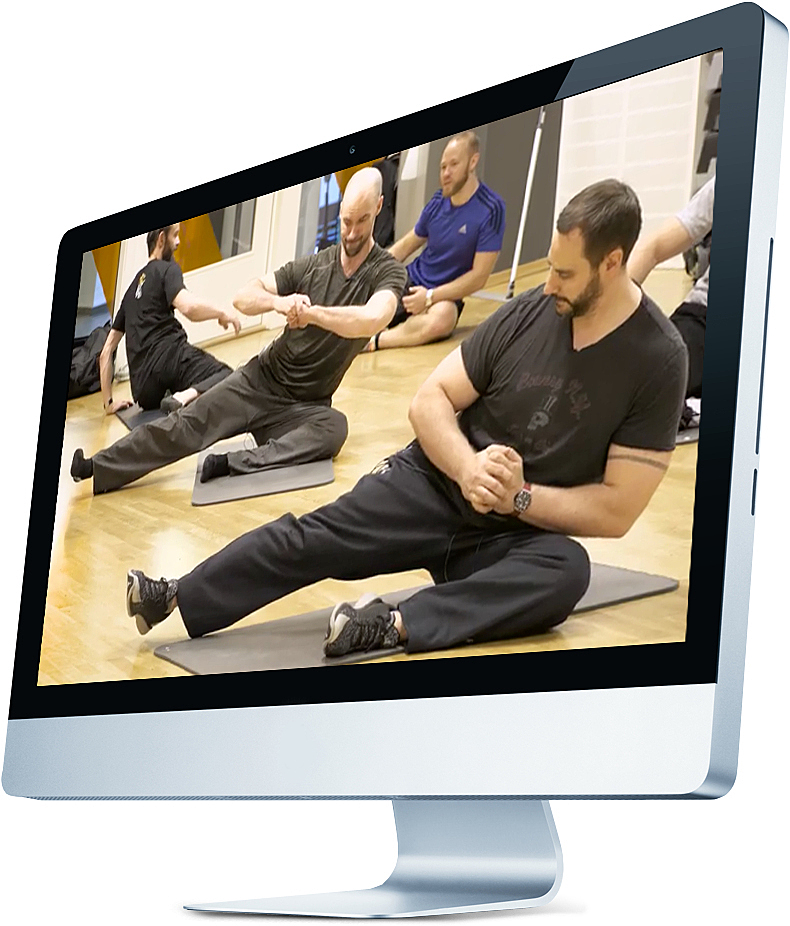
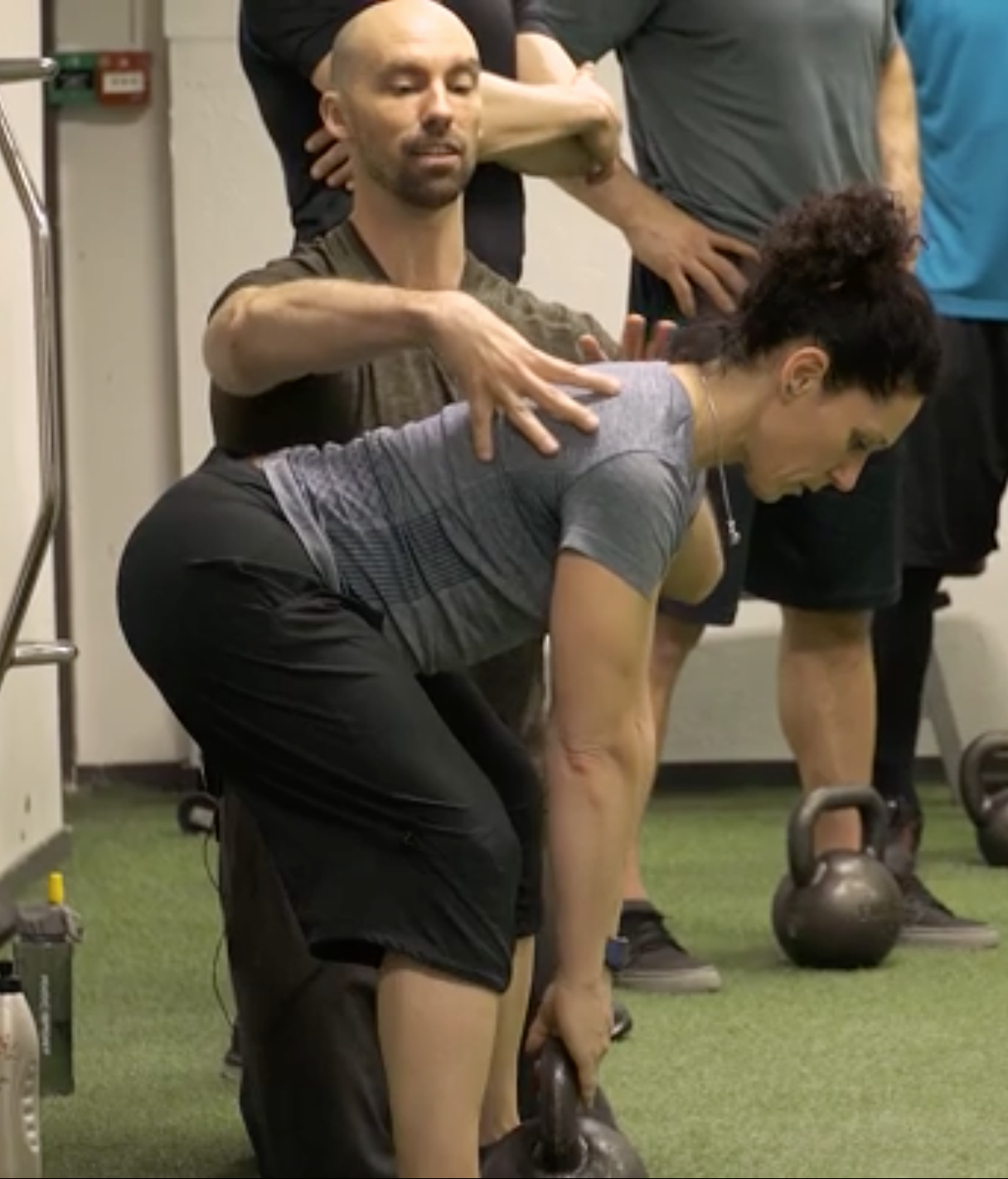
A good coach isn’t just someone who has great technical knowledge, but is also someone who recognizes how best to communicate with each individual in a way that they’ll buy into and get the cited about they’re training direction.

What’s the best pieces of coaching advice you’ve received?

The best piece of coaching advice I’ve received is from Bruce Lee. Although he was talking about different styles of martial arts, his advice to not be married to one style applies perfectly to the training and conditioning arena.

All training styles have different benefits and limitations, so taking a mixed approach to training – an approach that looks at different reasoning styles as mutually complimentary instead of as mutually exclusive – is ultimately a smarter approach.

6) Kimberly Mills – Personal Trainer/Nutrition coach

As someone who has had some outstanding trainers guide me toward my goals, and now as a trainer myself, it is my belief that a good trainer is someone who avoids cookie cutter programs where they are doing the same exact workout with each and every one of their clients.

Each client has different goals and different needs based on those goals. Each client also has other personal considerations (including exercise background) and personal exercise preferences that should also be addressed when designing their client’s program.

To me a good trainer/coach will take all these factors into account and develop an exercise program individualized to the client, starting the client where they are and guiding them towards their goals in a safe, efficient and effective manner that will help the client successfully reach their goals.

What’s the best piece of coaching advice you’ve received?

One of the best pieces of coaching advice I have received is from my mentor Nick Tumminello: When working with a client, instead of trying to fit individuals to certain exercises, you should instead fit the exercises to the individual.

What Do YOU Think?

Share your comments, opinions, stories in the comments section.

CategoriesAssessment Corrective Exercise Exercise Technique personal training Program Design

Complete Shoulder and Hip Blueprint Now Available

I gotta say, I could barely sleep last night.

Dean Somerset and I have spent the better part of the past two years traveling all across North America and parts of Europe presenting our Complete Shoulder & Hip Workshop. All told, we’ve presented it 10-15 times1.

hipshoulder-landscape

I’m not kidding, either: I…could…not…sleep last night.

I kept waking up every few hours as if I were 11 years old again waiting for Christmas morning to arrive. To say I am excited for this would be an understatement. There’s also a small fraction of me doing the best I can not to destroy the back of my pants out of shear terror.

As of this moment it’s 99.2% excitement, and 0.8% “hoooooooly shit this is happening.”2

I mean, there’s always a degree of vulnerability anytime you put something out there for the masses. However I KNOW this is going to be a resource that will help tons of people.


What Is It

The Complete Shoulder and Hip Blueprint is an 11+ hour digital product that takes you through the systems that both Dean and I use with our athletes and clients to improve upper and lower body function, strength, endurance, and resiliency.

We show you how to connect the dots between a thorough assessment, understanding what corrective strategies (if any) will work best, and how to build a training program to help you and your clients in the most direct way possible.

And there’s a few cat memes and light saber jokes tossed in for good measure.

dean-tony-cshb

Why This Matters to You

Are you a fitness professional? Do you work with people with shoulders? What about hips?

Well then, this sucker is right up your alley.

More specifically here’s what you can expect:

  • Help your clients get through common shoulder issues more effectively.
  • Streamline your assessment and program design, helping you get faster results and more efficient use of your time, and that of your clients’
  • Help you see the details of shoulder motion you didn’t notice before, and whether something you’re using in your exercise program is working or not.
  • Upgrade your exercise toolbox to address commonly overlooked movement issues.
  • You can help clients see IMMEDIATE improvements, sometimes in as little as a minute or two, which will help them buy in to your abilities.
  • Help you target in on what will work best for the person in front of you, saving you both the time spent on useless exercises or drills.
  • Connect the dots between assessments, mobility, strength, and conditioning program considerations
  • Break down a system you can use today with yourself or your clients to see instant benefit while removing the guess work.

And you don’t necessarily have to be a fitness professional in order to reap the benefits of this resource. Dean and I offer tons of practical information in the form of hands-on applications in addition to breaking down many common exercises such as the deadlift, squat, chin-up, and Landmine variations.

tony-dl-technique

The Part Where I Entice You More (or Guilt You) Into Buying

Choose any of the following that resonates with you:

1. “What is this, Napster? Pay for something once, would you?”

2. “Pretty please?”

3. “I got kids! Well, I’ll have one soon, in January, and that shit’s expensive.”

4. “I’ve written tons of free content over the years. Each time I’ve written an article or blog post that’s helped you out, I put a dollar on your tab. It’s collection time, you son of a bitch.”

Okay, for real: I think it’s a great resource, I feel it’s going to help a lot of people, and I’d be honored if you’d consider checking it out.

We’ve put Complete Shoulder & Hip Blueprint on sale this week. From today through Saturday, November 5th you can purchase it at $60 off the regular price. What’s more there are Continuing Education Credits (CEUs) available through the NSCA, which makes this a solid professional development investment.

—> Complete Shoulder & Hip Blueprint <—

Categoriesfitness business personal training rant Writing

Me Spitballing Some Sage Advice to Fitness Professionals

I have a few things I’d like to get off my chest, fitness professional.

Copyright: <a href='http://www.123rf.com/profile_tashatuvango'>tashatuvango / 123RF Stock Photo</a>
Copyright: tashatuvango / 123RF Stock Photo


1) The Picture Above is Misleading.

I don’t consider myself an “expert” in anything.3

If my name happened to be Gray Cook, Stuart McGill, Shirley Sahrmann, Mike Boyle, Dan John, Sue Falsone, or Yoda then maybe I’d have some room to talk.

Truth be told: It was the only picture I could find on 123RF.com that fit the tone of today’s post, so I ran with it. But there’s a message to be made here: none of the people mentioned above – in addition to the countless others in the industry I could name drop – have ever uttered the word “expert” as an adjective to describe themselves or their services.

I find it comical (<– not “ha-ha” comical, but rather “you’re kind of a narcisstic asshat” comical) that there are highly respected coaches in this industry who have been doing what they’re doing for longer than some people have been alive and have every right to claim they’re an expert, yet don’t, but there are some industry pros out there who, for whatever reason – they read a book, took a weekend certification, eat Paleo – anoint themselves this term.

Do yourself a favor, hit up your “About Me” page on your website and your various social media profiles and delete the word. Unless, of course, you’re an expert in kitten kisses or giving high-fives.

In that case, expert away.

NOTE: this isn’t to say you shouldn’t be proud of your accomplishments or that you have to be in the industry for 10, 15, 20, or 30 years to profess to the masses you know what you’re talking about. It’s just, I don’t know, a little dose of humbleness goes a long ways.

2) And Since I’m on the “Ornery Strength Coach” Train at the Moment

Here’s a Tweet I posted yesterday:

Admittedly, I can understand how some people reacted the way they did. I can see how the words may have come across as a shade elitist with a pinch of “dickheadedness” tossed in for good measure.

I had two or three people send me messages saying something to the effect of:

“Are you saying someone with less experience than you can’t come out with a good product? That’s naive.”

For starters: I said first product, not good product.

Secondly: No, that’s not what I was saying.

I recognize there are numerous people who have been in the industry for a very short time who have put out remarkably good content and/or released amazing products. Far be it from me to hold their lack of fitness industry tenure against them.

However, lets be real: such examples are clearly the exception and not the norm. For every Greg Nuckols who bursts onto the scene there are 10,000 other personal trainers and coaches quick to catapult their exclusive ebook to the masses with very little experience to show for it.

I’ve said it once, and I’ll say it 6,097 more times:

“It’s never been easier to be heard, but it’s never been harder to get heard.”

Slow down. Be patient. As my former business partner, Pete Dupuis, would say: take the time to procure some career capital.

Practice what you preach, develop relationships, invest in yourself with continuing education, shadow/observe other coaches…do everything you can to marinate in and gain experience.

That, my friends, will be how you’re going to separate yourself. And, magically, before you know it, you won’t have to try so hard. You won’t have use words such as “expert,” or “revolutionary,” or “super secret formula sauce” to sell yourself or your content.

The content you write or products you produce will not only have more authenticity, context, and validity…but will probably have a better chance of reaching more people.

Because, you know, it won’t suck. You’ll have experience to thank for that.

And don’t just listen to me. Listen to Ben Bruno:


3) Want to Get Your Name Out There, Here’s What Not to Do.

I received the following message last week via my Business/Fan page on Facebook:

“Hey NerdFitness, my video is picking up a lot of traction right now, and i thought it’d be a great fit for your website! Check it out here: [link to video that I purposely left out]

In the video I give a Intense workout for burning fat that you can do at home with no equipment! If you have a minute, check it out and feel free to use this for your site.

Thanks,
Anthony B”

MY RESPONSE:

1. You might want to pay a little closer attention to sending out canned emails to people and not using the correct name. I’m not affiliated with NerdFitness. I am a nerd, though. So you’re not entirely off-base.

2. You might also want to be careful about sending out canned emails in general because A) they don’t work, and they’re not a great way to get your name out there in this industry. I don’t know you, have never spoken or exchanged a single email with you prior to this interaction (Hi, I’m Tony), or know your background…and you expect me to just toss this up on my website and drive a ton of traffic your way? FYI: no where on my site do I really emphasize “fat loss” training. B) They come across as disingenuous and, well, annoying. I don’t like being annoyed.

C) You can smell them from a mile away (I.e., “picking up a lot traction” = 14 views on YouTube? Well, 15 now that I watched it.)

3. I’m not trying to be a dick. Just giving you some unsolicited feedback on what NOT to do.

Categoriescoaching personal training Program Design Strength Training

Are the Weights You’re Using Heavy Enough? Too Heavy?

Today’s post is more or less an addendum or brief update to THIS article I wrote a few months ago answering the question “how much weight should I be using?

Copyright: maximkostenko / 123RF Stock Photo


For many lifters – rookies in particular – it’s a perplexing task to figure out what’s an appropriate load to be using on any given lift or exercise. Is it too little, too much, just right? It’s a Goldilocks paradox to say the least.

Some people have an innate sense of intuition that kicks in and are able to figure things out over the course of a few weeks or months. They’re able to adopt the concept of consistent progressive overload (making the effort to do more work over time) and make continued improvements and progress towards their goal(s).

[NOTE: keeping a daily training log helps tremendously here. If you’re not doing this 1) please smack your forehead 2) do it again and 3) no, really, do it.]

Others, however, lack the Spidey-sense. I mean, I get it: walking into a weight room is daunting enough. You have some guys grunting louder than an elephant passing a kidney stone, and the fume of AXE body spray you have to walk through is enough to give you a contact high. Those two things alone are super intimidating for some people.4

What’s more, there are a bevy of other factors to consider: optimal # of sets/reps, rest periods, tempo, exercise order, and, of course, how much weight to use? And then, most important of all, is technique on point? It’s no wonder some people end up feeling like this:


To no fault of their own many fall into the trap of “winging it” and haphazardly choosing a weight to use for any particular exercise and stay there; week in and week out, month after month, and in worse case scenarios, even years, and often end up frustrated due to lackluster results.

How many times have you heard this from a friend, family member, or colleague:

Can you please put some pants on? I’ve been working out for [insert “x” number of weeks/months/years here] and I never seem to get results.”

My suspicion is that 9/10 times the culprit is the fact most people are UNDERestimating their ability and not challenging themselves enough.

This is where AMRAP (As Many Reps as Possible) sets can be handy. If I program an exercise for 8-10 reps, I’ll sometimes have the last set be for AMRAP. If, on the last set, they hit 10, maybe 11 reps I know they’re using a weight that’s challenging enough. If they end up hitting 23 reps I know they’re low-balling themselves and we need to up the load.

I’m fortunate in that I live in this pretty baller strength & conditioning bubble where I can control most – if not all – the variables when it comes to the clients and athletes I train.5

Especially for those I work with in-person.

I’m there to observe how they’re feeling on any given day, to watch technique and bar speed, and I can serve a judge and jury when it comes to weight selection during any given session.

Where things become suspect is when I’m not there to offer advice in person or when I’m working with a distance-based client and am unable to provide instant feedback.

How do I help them gauge whether or not they’re using enough weight? Or maybe too much? What happens then?

In recent years I’ve grown to be more of a fan of using percentage-based training with the programs I write, particularly for those whom I do not work with in a one-on-one fashion. I’m a firm believer in programming out workouts with specific weight and rep guidelines – if for nothing else to give them a sense of purpose or “goal” for the day. Hit “this” number then do “that.”

That said, lifters don’t always feel the same everyday. Some days they feel like a rockstar and end up deadlifting a bulldozer for reps. Other days the feel like they got run over by a bulldozer, and what was planned for that day just isn’t going to happen.

35136856 - view of tired girl after weight lifting

Copyright: bialasiewicz / 123RF Stock Photo

This is where the concept of AUTOREGULATION enters the conversation. Coaches like David Dellanave and Jen Sinkler have done a fantastic job of speaking to this phenomenon (more specifically referred to as BIOFEEDBACK) in recent years and how it behooves trainees to use ROM testing to figure out what variation of a particular lift is the best fit for that day.

Here’s an example (say it’s deadlift day…yay):

  • Perform a toe touch screen, and note where you begin to feel tension.
  • Set up as if you were going to do a conventional deadlift and perform a few reps.
  • Re-test your toe touch. Is it better or worse?
  • If the former, you know you’re good to go with conventional deadlift that day. If it’s latter, maybe perform the same sequence, albeit with a sumo stance or Jefferson stance?

  • Re-test and see if there’s an improvement. If so, roll with that variation for the day.
  • Travis Pollen wrote an excellent review on the concept HERE.

We can take the idea of autoregulation and use it to dictate our loads on a daily basis too. More to the point: we can start to introduce the concept of Auto-regulatory Progressive Resistance Exercise (or APRE).

To quote the great Tim Henriques:

“A beginner gets stronger just by lifting. Any program works for a beginner. An intermediate powerlifter needs strength specific programming to get stronger. An advanced lifter with many years of competitive experience, lifting very heavy weights, needs to program recovery into his work outs. The beauty of the APRE (Auto-regulatory Progressive Resistance Exercise) programs is that all categories of lifters from novices to experts can benefit with this type of program.”

It’s by no means a new concept. Many coaches have written about it in the past (and I have linked to their respective articles in this post).

In short, APRE is a great way to introduce flexible training and to better match loads you use to how you feel on a daily basis.

It’s not so much a workout as it is a guideline.

Here’s an easy breakdown taken from Myosynthesis.com:

3RM Protocol 6RM Protocol 10RM Protocol
50% of 3RM – 6 reps 50% of 6RM – 10 reps 50% of 10RM – 12 reps
75% of 3RM – 3 reps 75% of 6RM – 6 reps 75% of 10RM – 10 reps
Reps to failure with 3RM Reps to failure with 6RM Reps to failure with 10RM
Adjusted reps to failure Adjusted reps to failure Adjusted reps to failure

And to adjust after the test set:

Reps in third set (6RM protocol) Adjustment for fourth set (kg)
0-2 -2.5 to -5
3-4 0 to -2.5
5-7 No change
8-12 +2.5 to +5
> 13 +5 to +7.5

I’ll explain in a second, but the cool thing about this approach – and as Eric Helms noted in THIS review via the NSCA – is that it proved very successful in one study compared to traditional linear progression with regards to strength gains.

“The APRE group improved by an average of 21 lb more in the 1RM bench press test, 35 lb more in the 1RM squat test, and three repetitions more in the bench press to fatigue test than the LP group.”

Granted it’s only one study – and a relatively short-lived one (6 weeks) at that – but holy shit.

APRE is a four set system. The first two are build-up sets with the second two involving two sets to failure. The third set is a “test” set where you perform as many reps as possible with your 3RM, 6RM, or 10RM. From there, depending on how many repetitions you get, you adjust the weight on your fourth (and last set).

This is a brilliant system, and one that can be implemented to help people better ascertain their weight selection on any given day depending on how they feel.

Lets use an example (squat – 6 RM protocol): 315 lbs

Set #1 = 50% of 6RM x 10 reps (155 lbs)

Set #2 = 75% of 6RM x 6 reps (235 lbs)

Set #3 (Test Set) = AMAP with 6RM (315)

Here is where day-to-day shenanigans come into play. How much sleep someone got the night before, hydration levels, stress at work, stress at home, and any number of other factors can affect performance on any given day. The TEST SET serves as a form or AUTOREGULATION.

Depending on the number of reps completed in the test set will dictate the load on the LAST set. See chart above.

Set #4 = ???

Can you see the value in this approach? Especially when it comes to weight selection with main lifts such as squats, deadlifts, and bench press?

I hope so, because it’s very effective and simple to implement. And I know what some of you may be wondering: “what about the 3RM and 10RM protocols?” Well, as it happens, Tim Henriques constructed a BOMB spreadsheet that you can download for free – HERE – which allows you to pluck in numbers at your discretion for each protocol. Holla!

Now you have no excuses not to push yourself harder in the gym. Go get it.

Categoriescoaching personal training Program Design

Program Design Considerations for the New Personal Trainer

With more and more personal trainers entering the industry faster than Marvel and DC Comics can resurrect D-list characters to put into their movies6, it’s becoming more readily apparent how ill-prepared some (not all) are when it comes to writing effective training programs.

Today’s guest post, courtesy of Tennessee-based coach, Andy van Grinsven, helps to shed some light on the topic and remedy the situation. Enjoy.

Program Design Considerations For the New Personal Trainer: What You’re Missing

49090294 - sport, fitness, lifestyle, technology and people concept - close up of trainer hands with clipboard writing and woman working out on exercise bike in gym

Copyright: dolgachov / 123RF Stock Photo

It’s five after, and my client is running late. Like an owl I spin my head round and round checking first the door, then the suspiciously empty squat rack, and back to the door, tapping my clip board with feverish anxiety.

My client arrives. “Hey there! How was your weekend? Ready to get started?” Like Fred Jones I wave of my arm as if to say “come on, gang!” I’m listening to my client while trying to break the speed-walking world record on my way to the rack.

Then it happens. Like a swarm of vultures a group of teenagers snag the only squat rack in the gym. Nut punch. Now what?

Personal trainers and coaches pride themselves in their ability to write programs: sets and reps, rest periods, organization, periodization, and all the other details that make a program, a program. And at the end of the day, we hope this program turns our clients into card-carrying certified badasses.

50685511 - sport, fitness, teamwork, weightlifting and people concept - close up of young woman and personal trainer with barbell flexing muscles in gym

Copyright: dolgachov / 123RF Stock Photo

But here’s the thing:

Any trainer worth his weekend certification can put together a program. It’s not that hard: pick some exercises, assign some stuff to them, and voila! You’re a coach.

But what happens when you actually hit the trenches and start training these clients? Does your program actually work? Does it fit the context of the gym and client? Does it make them better?

I’ve been training, largely in community gyms, for the better part of 7 years. I’ve written countless programs. However, the number of times I’ve been able to execute a program 100% as written is likely less than 10.

Why?

Because when life throws you a bunch of teenagers in the squat rack, you make do with what you’ve got left (after cursing the Gods, and maybe, crop-dusting them).

Suddenly, your perfect program gets shot down because the equipment you needed is occupied.

Or your client just got back from a 2-week vacation. Or your client slept poorly. Or they stayed up late watching Friends reruns.

Your program means nothing if it can’t roll with the punches.

Exercise selection, sets, reps, and rest periods are great. But there’s a few things you ought to consider along with the meat and potatoes of your program:

Program Design Considerations: What Your Certification Course Forgot to Mention

1.) WHO is your client?

Are they an athlete? Are they a bodybuilder? Powerlifter? Or just some regular Joe trying to lose

Copyright: spotpoint74 / 123RF Stock Photo

belly fat?

This question might sound silly, but you may be surprised to see many coaches and trainers blindly fit all their clients to one style of training:

Powerlifters like the “Big 3,” so every client is barbell benching, squatting, and deadlifting.

Bodybuilders chase max muscle, and often write programs with titles like “chest day” or “leg day.”

This is, of course, appropriate, if the client is a powerlifter or bodybuilder. But what if they’re not? How do you write a program for the regular Joe?

Do both styles of training, and the tools they prefer, have a place in your program? (<–the answer is probably, yes)

2.) What’s Important?

You’ve got your exhaustive list of exercises: squat variations, different hand position, barbells, TRX, medicine balls, boxes, and the list goes on.

In this crazy world of fitness and exercises, which ones are most important for your client? What do you choose, and how do you implement them?

Develop your own “10 Most Important Things” list. This list will serve as the foundation for your program design.

Here are my 10 Most Important Things (in no particular order):

  • Squat
  • Hip Hinge
  • Push-ups
  • Chin-ups
  • Lunge
  • Row
  • Carry
  • “Power movement”


  • Crawl
  • Anti-movements (planks, Pallof presses, etc.)


For me, these 10 represent the most important things I need to coach all my clients. The style of squat; the type of hip hinge; how many push-ups they can do; and the “power movement” will all differ client-to-client, but they’re all things my clients will do with me. If I’ve covered these 10 things, we’re going to be in good shape for both the gym and life.

If you must leave your client with only 10 things, what would they be?

3.) What Are the Client’s Goals?

I get it: squatting is a ton is fun. Being super strong is awesome. But does your client want to squat a metric shit-load? Do they even know if they do or don’t? Further, how strong is “strong enough?”

Remember: you’re in business to help your client. If being as strong as humanly possible is their goal, then get after it. If not, reassess “why” you’re designing your program to include heavy squat sessions. They might not be appropriate for this client, or many of your others.

Now before you go writing me off as some soft coach, hear me out: I agree that everyone needs to be “strong.” Helping your client get stronger is helping them build muscle, boost confidence, and reduce their risk of injury.

But, how we get them stronger is through progressive overload, not necessarily the tool: dumbbells, barbells, and TRX each provide a stimulus to help your client get stronger.

I encourage you to evaluate how you define strong and evaluate the methods you use to make your clients strong.

Sometimes, a goblet squat is all you’re ever going to need.


4.) What Does Your Client Need?

You’ve established the client’s goals: shed body fat, get stronger, and look great naked again.

What if your client wants to squat a brick shit-house, but can’t squat to parallel with body weight?

Maybe they want to run next year’s full marathon, but they’re carrying an extra 50 pounds of fat.

Get your clients to their goals, but assess their needs along the way. If they have the body awareness of a 2-year old and joint mobility that would make the Tin Man cringe, we’ve got some work to do first.

Whether these things pan out during your first few sessions or are discovered through your screen is up to you, but make sure you’re using the safest and most effective methods for their abilities right now, and not where they think they are.

5.) What CAN You Do?

It’s not what you want to do, it’s what you can do.

There have been numerous times I’ve walked into the gym, program in hand, and had to make adjustments, X-out exercises, and switch my order.

Why? The teenagers in the squat rack. My client didn’t sleep well. The lat-pulldown is out for maintenance.

What are you going to do now?

1. Roll with it

Copyright: ammentorp / 123RF Stock Photo

I’m all for program writing and I love the enthusiasm but have progressions, regressions, and other options that can get the job done.

For most everyone, like 99% of the people you’re going to work with, it won’t matter whether you squat them with a bar, dumbbell, or kettlebell. It won’t matter if your hip hinge movement is KB swings instead of deadlifts. It won’t matter if you choose to do push-ups over DB presses.

All that will matter is that you’ve provided a stimulus and a fun training experience.

Why? Because good, hard work, trumps no work at all. And in the grand scheme of things, most of your clients just want to move well and feel well, get a good workout in, and be on their way.

2. Assess Readiness

Many coaches, many smarter and more experienced than I, will use Heart Rate Variability or some other tool to assess “readiness” of the client or athlete before the training sessions starts.

If you have the tools and like to use them, great. If not, borrow my “RPF,” or 0-10 Rating of Perceived Feels scale:

A zero (0) on the scale roughly means “Andy, I’d rather throat punch you than work out today.”

Ok. No problem. Maybe we’ll de-load or reduce the volume on some things.

A 10 on the scale roughly means “Andy, I’d like to fight Superman today.” Great! Let’s get after it: slap on more weight; more sets; and more intensity.

Your 0-10 might mean different things to you and your client, but make it fun and relatable. At the very least, you’ll get a laugh out of them with the silliness.

My RPF scale is a simple, subjective tool that gives you an idea of the state your client is in before you start hitting the weights. Make changes accordingly.

Conclusion

Writing a program doesn’t have to be complicated, however, these are considerations most don’t take into account when designing a program.

It’s easy to jot down the program that *you* would want to do, but is it appropriate for the client? Is it appropriate for the context of the gym and client’s goals?

Answer these questions before you even sit down to write the program, and have progressions, regressions, and built-in flexibility with your exercise selection.

If you can do that, I promise you’ll write better programs and rarely run into trouble.

About the Author

Andy is a personal trainer and strength coach based in Nashville, TN. He likes deadlifting, coffee, and BBQ. His clients range from college age to retirement, but the message is still the same: lift safely and progressively, then rule the world. You can find him on Facebook and Instagram, or on his website HERE.

Categoriescoaching personal training rant

Porcelain Post: Jedi Mind Trick Your Way to More Clients and Better Retention

NOTE: the term “Porcelain Post” was invented by Brian Patrick Murphy and Pete Dupuis. Without getting into the specifics, it describes a post that can be read in the same time it takes you to go #2.

Huh, I guess that was more specific than I thought.

Enjoy.

35803741 - man sitting on a toilet seat with his pants and boxers down

Copyright: tuomaslehtinen / 123RF Stock Photo

While I know most mean well, I’m often amused by some of the posts and/or sponsored ads I come across on Facebook directed towards fitness professionals in an effort to teach them how to get more clients and better market themselves.

NOTE: For the record, I call BS on any person who says they’ve figured it all out and are willing to let me in on all their secrets for a mere $5000 weekend marketing bootcamp.7

The reality is, you don’t need to try to so hard. Well, you do…you just don’t need to overthink things and be a moron about it.

You Want More Clients or Wish the Ones You Have Would Work With You Longer?

1) Be Patient (and Be Good At What You Do)

Admittedly this is not a sexy answer. I might as well tell you the secret to getting better at deadlifts is to deadlift.

Success comes with experience. I hate to be the bearer of bad news, but if you’re an incoming personal trainer or coach it’s going to take months, if not years to establish yourself as a credible professional. Yes, there are exceptions and examples of people who do very well very quickly (and build a client roster that anyone would be envious of).

Tragic as it may seem, the likelihood this will describe you and your ascent within this industry is slim.

Get good, unapologetically good, at what you do (as in coach your clients well) and over the course of time, people will take notice.

When I worked in commercial gyms early in my career I can’t tell you how many clients I picked up as a result of them observing me over the span of several weeks. They’d watch how I interacted with my clients – how I was hands on, paid more attention, sometimes wore pants – and how my approach was different than how many of my colleagues interacted with theirs.

You’re always being watched and judged by your actions. The secret to separating yourself from the masses is to be better than the masses.

The act of giving a shit is profound, and people know it when they see it. So be patient, do the work (like everyone else has done in the history of ever), and see what happens.

2) Don’t Be Afraid to Say “I Don’t Know.”

The ol’ saying “fake it till you make it” has a time and place…until it doesn’t. People can smell a fraud a mile away.

Like it or not, you are a profound resource for you clients with regards to health & fitness information. Often times you’re THE resource, or at least top three:

  1. Google
  2. Their doctor
  3. Their friend who read something on the internet.
  4. You

Okay, so maybe top four.

That said, I don’t understand why some trainers and coaches are afraid to say “I don’t know” when they don’t know the answer to a question…as if they’re going to somehow lose personal trainer demerit points or Alex Trebek is going to pop out of nowhere and laugh in their face.

Here, let me show you how easy it is to say:

Example #1

Client:Tony, why does my knee hurt when I do lunges?

Me: “Maybe you lack ankle or hip mobility, or maybe keeping a more vertical tibia will help. Lets take a look.

Example #2

Client:Tony, what does the rotator cuff even do?

Me:Well, every anatomy book will tell you it’s involved with actions like glenohumeral external and internal rotation, as well as abducting the humerus. However it’s real function is to center the humeral head in the glenoid fossa. Also it helps with ninjaing.”

Example #3

Client:What’s the point of kipping pull-ups?

Me:I don’t know.”

Photo Credit: T-Nation.com

See, it’s easy.8

3) Along the Same Lines, Don’t Be Afraid to Refer Out

The obvious talking point here is to refer a client out to a physical or manual therapist within your network when he or she experiences discomfort or pain when exercising.

Unless you went to school for physical therapy stop pretending to be one.

Too, why not refer someone out if or when their goals or needs surpass your level of expertise and knowledge? Again, I feel this bodes in your favor. Knowing your limitations as a coach is not something to be ashamed of. You can’t expect to be a jack of all trades.

If someone is interested in Olympic lifting I refer out.

If someone is interested in contest prep for a stage show I refer out.

If someone is interested in taking their DL from 600 to 700 lbs I refer out.

If someone is interested in training for the Laser Tag World Championships I own that shit.

46060017 - laser tag playground equipment close up view

Copyright: ideastudios / 123RF Stock Photo

When a client understands you have his or her’s best interests in mind, and are willing to refer them to someone who best fits their needs, I guarantee you nine times out of ten they’ll be back as a paying client or refer someone they know to you.

Win-win.

4) Practice Unrelenting Transparency

Here’s the Jedi Mind Trick of all Jedi Mind Tricks.

Be up front with clients that your goal is to make it so that they won’t need your services long-term.


One of my favorite books of all-time is Simon Sinek’s Start With Why. If you haven’t read it already, you should.

The idea is that instead of asking how or what or when, you should ask WHY? Everything begins with asking why and then you can hone on the how, what, and when.

Lately I’ve been starting each one of my speaking engagements by explaining my WHY behind what I do for a living. Coincidentally it’s the same message I relay to all new clients:

There are any number of trainers and coaches out there you could hire. And like most of them, I too want to help you achieve your goals – whether it’s to get a little stronger, improve performance in your respective sport, shed some extra body fat, or help with a nagging injury.

I choose to do so with integrity and honesty, in addition to using equal parts evidence-based research and anecdotal “real-world” experience.”

I want to help you achieve your goals, but I also want to help you not have to rely on me long-term. I want to teach you, educate you, coach you. It’s my goal to make you your own best ally, asset, and advocate.”

A funny things happens: most tend to stay around for a while.

NOTE: Okay, so that was the opposite of a porcelain post and ended up being longer than expected. My bad.

CategoriesAssessment coaching personal training Program Design Strength Training youth/sports training

Addressing the Stone Cold Facts of Training Athletes

Remember that show diary on MTV? You know, the one that aired back in the early to mid-2000s?

The documentary style show centered mostly on musicians and celebrities and followed them through their daily lives.

Each episode started with said celebrity looking into the camera and saying…..

“You think you know, but you have no idea.”

And then for the next 60 minutes we got a true taste of the celebrity lifestyle, given an opportunity to witness their trials and tribulations with the paparazzi, hectic travel schedules, demands on their time, and what it’s like to demand a bowl full of green only M&Ms in their dressing room (and actually get it), not to mention the inside scoop on what it’s really like to be able to bang anyone you want.

Stupid celebrities. They suck….;o)9

Sometimes I feel like strength coaches should have their own version of the show diary, because when it comes to training athletes I feel like many people out there “think they know….

“…..but they have no idea.”

Oh snap, see what I just did there?

While I don’t think it’s rocket science, I’d be lying if I said there isn’t a lot of attention to detail when it comes to training athletes – or any person for that matter – and getting them ready for a competitive season. Everyone is different, with different backgrounds, ability level, injury history, strengths, weaknesses, goals, anthropometry, as well as considerations with regards to the unique demands of each sport and position(s) played.

By contrast, there are numerous parallels in training despite athletic endeavors or whether or not someone is an athlete to begin with.

We can take the Dan John mantra of:

Push, pull, hinge, squat, lunge, carry

Do those things, do them well, and do them often….and you’ll be better off than most. It’s complicated in its simplicity.

Much like Dan I prefer to train everyone I work with as if they’re an athlete. There’s something magical that happens when I can get Joe from accounting or Dolores from HR to deadlift 2x bodyweight or to start tossing around some medicine balls. Even better if it’s done while listening to Wu-Tang Clan.

They wake up!

They’re less of a health/fitness zombie, haphazardly meandering and “bumping” into exercises. Once they start to train with intent and purpose – and move – it’s game time.

That said, lets be honest: when it does come to training athletes there are many other factors to consider; many more than an article like this can cover. However, I do want to discuss a few philosophical “stamps” that some coaches deem indelible or permanent when it comes to training athletes, when in fact they’re anything but.

1) Strong At All Costs

There’s a part of me that cringes to admit this, but it needs to be said: strength isn’t always the answer.

Don’t get me wrong, I still believe strength is the foundation for every other athletic quality we’d want to improve.

If you want to run faster (<— yes, this matters for endurance athletes too), jump higher, throw things harder or further, or make other people destroy the back of their pants, it’s never a bad thing to be stronger.

When working with athletes, though, there’s a spectrum. If you’re working with a college freshman who’s never followed a structured program and is trying to improve their performance to get more playing time, you can bet I’ll take a more aggressive approach with his or her’s training and place a premium on strength.

When working with a professional athlete – who’s already performing at a high level, and is worth millions of dollars – is it really going to make that much of a difference taking their deadlift from 450 lbs to 500 lbs?

Moreover, we’ve all seen those snazzy YouTube and Instagram videos of people jumping onto 60″ boxes:


It may get you some additional followers and IG “street cred”…but man, the risk-reward is pretty steep if you ask me. I’m not willing to risk my career (and that of my athletes) for some stupid gym trick.

Besides, if I wanted to I’d up the ante and have them do it while juggling three chainsaws. BOOM! Viral video.

To that end, I like Mike Robertson’s quote which sums my thoughts up the best:

“I think athletes need to be using the weight room as a tool to improve efficiency and athleticism, not simply push as much weight as possible – MR”

2) You Don’t Have to OLY Lift

Some coaches live and die by the OLY lifts, and I can’t blame them…..they work. But as with anything, they’re a tool and a means to an end. They’re not the end-all-be-all-panacea-of-athletic-and-world-domination.

I don’t feel any coach should receive demerit points – or be kicked out of Gryffindor – because he or she chooses not to implement them into their programming.

Lets be real: If you know you have an athlete for a few years, and have the time to hone technique and progress them accordingly, the OLY lifts are a good fit. It’s another thing, too, if you’re competent.

I for one am never guaranteed four years with an athlete, nor am I remotely close to feeling competent enough to teaching the OLY lifts. And that’s okay….

I can still have them perform other things that’ll get the job done:

Jumps:

https://www.youtube.com/watch?v=QUbClRjpLGk


https://www.youtube.com/watch?v=kn5v85ekXFs


NOTE: both videos above courtesy of Adam Feit.

Starts/Acceleration

5 yd Starts

https://www.youtube.com/watch?v=TklqD8uN_Ds


5 yd Jog to 10 yd Acceleration

https://www.youtube.com/watch?v=HM-BPJKTslg


Change of Direction

Up 2, Back 1 Drill

https://www.youtube.com/watch?v=YSFDp1QSA2w


That One Time I Looked Athletic

Medicine Balls Drills

Scoop Toss


OH Stomp


Kettlebell Swings


Punching Ramsay Bolton in the Mouth

No video available.10

3) Single Leg Work Matters

This is probably the part where some people roll their eyes or maybe scroll past, but hear me out.

I think it’s silly when I see coaches on Facebook argue over bilateral vs. unilateral movements and try to win everyone over as to which is best.

They’re both fantastic and warrant attention.

Where I find the most value in single leg training:

  • Serves as a nice way to reduce axial loading on the spine when necessary.
  • It can be argued all sports are performed – in one way or another – on one leg, so from a specificity standpoint it makes sense to include it.
  • Helps to address any woeful imbalance or weakness between one leg and the other.
  • Places a premium on hip stability and core/pelvic control.

All that said, I do find many people are too aggressive with their single leg training. It’s one thing to push the limits with your more traditional strength exercises like squats and deadlifts, but when I see athletes upping the ante on their single leg work to the point where knees start caving in and backs start rounding that’s when I lose it.

I’m all about quality movement with any exercise, but more so with single leg training. I’d rather err on the side of conservative and make sure the athlete is owning the movement and not letting their ego get in the way.

Like that one time I posted this video and Ben Bruno shot back a text showing me a video of Kate Upton using more weight than me. Thanks Ben! Jerk….;o)

Unfortunately, some coaches are so set in their ways that they’ll never cross the picket lines. They’re either team bilateral or team unilateral.

How about some middle ground with B-Stance variations?


4) Recognize Positions Matter

I’m not referring to Quarterback or Right Fielder here. But rather, joint positions and how that can play into performance in the weight room and on the field.

If you work with athletes you work with extension.

As I noted in THIS post, anterior pelvic tilt is normal. However, when it’s excessive it can have a few ramifications, particularly as it relates to this discussion.

Without going into too much of the particulars, people “stuck” in extension will exhibit a significant rib flair and what’s called a poor Zone of Apposition.

Basically the pelvis is pointing one way and the diaphragm is pointing another way, resulting in a poor position; an unstable position.

Anyone familiar with the Postural Restoration Institute and many of their principles/methods will note the massive role they’ve played in getting the industry to recognize the importance of breathing.

Not the breathing that’s involved with oxygen exchange – evolution has made sure we’re all rock stars on that front.

Instead, PRI emphasis the importance of the reach and EXHALE; or positional breathing.

It’s that exhale (with reach) that helps put us into a more advantageous position to not only encourage or “nudge” better engagement of the diaphragm, but also better alignment….which can lead to better stability and better ability to “display” strength.

NOTE: this is why I’m not a huge fan of telling someone to arch hard on their squats.


When joints aren’t stacked or in ideal positions, it can lead to compensation patterns and energy leaks which can compromise performance.

5) You Need to Control Slow Before You Can Control Fast

It’s simple.

Learn More With Elite Athletic Development 3.o

Mike Robertson and Joe Kenn released their latest resource, Elite Athletic Development 3.0 this week.

I can’t begin to describe how much information they cover, but if you’re someone who trains athletes then this is a no-brainer.

Many of the concepts I discuss above are covered, in addition to twelve more hours worth of content over the course of ten DVDs

Point Blank: You’ll learn from two of the best in the biz.

The seminar is on SALE this week at $100 off the regular price, and it ends this Friday (7/22), so act quickly.

Go HERE for more details.

CategoriesCorrective Exercise personal training Rehab/Prehab Strength Training

Bridging the Gap Between Physical Therapy and Strength and Conditioning. How Much of a Gap Is There?

Today’s guest post comes courtesy of Andrew Millett – a good friend of mine and brilliant physical therapist outside of Boston.

The term “bridging the gap” is always brought up when the discussion of physical therapy and strength and conditioning comes up. There’s no doubt a melding of the two when discussing the most successful outcomes for patients and athletes. However, in a day and age where more and more personal trainers are taking it upon themselves to play the role of “therapist” (and vice versa), it’s important to note that, while it behooves us to dip our toes in both ponds, there IS a distinction between the two.

And we need to respect that.

Enjoy.

Bridging the Gap Between Physical Therapy and Strength and Conditioning

In the fields of strength and conditioning, human performance, physical therapy, etc., we interact with people on a daily basis.  We learn about their family, their job, their goals, and what they want to get out of their training or rehab.  The majority of the people in this field did not get into their respective field for the money.

I am not saying that any of these fields can’t be lucrative.  The majority of us share a common bond:  the desire to help people.

Whether you are a physical therapist trying to help someone get rid of their pain and get back to doing what they want to be doing or a personal trainer trying to help someone lose some weight, most of us want to help people.

When we see a client who is in pain or has some type of movement dysfunction, most of us want to help them get out of pain, whether or not we are a healthcare practitioner.  Personal trainers, strength and conditioning coaches, etc. are well-qualified to assess and correct movement.

There are many schools of thought such as the Functional Movement Screen (FMS), Selective Functional Movement Assessment (SFMA), and Functional Range Conditioning (FRC) – to name a few – that teach trainers and coaches how to assess movement so that they can make their programming more effective based off of how their client presents on their assessment.


More often than not, a strength coach or trainer will see a movement fault they would like to fix in order to optimize their client’s training in order for their client’s to succeed.  There is nothing wrong with wanting more for your client and for your client to achieve their goals.  When assessing a client, if some type of movement limitation is present (I.e., decreased joint mobility and range of motion), then by all means, use the tools in your toolbox to attempt to correct it.

Tools such as a foam roller, lacrosse ball, or other self-myofascial release device, can be beneficial in attempting to increase soft tissue flexibility that could be limiting a client’s movement pattern.


Self-myofascial release can be very effective for improving movement quality and at reducing pain.  By doing something such as this, you are doing your due diligence in trying to help your client to the best of your abilities.

If you use an implement suggested above and someone moves or feels better, GREAT!

If someone doesn’t move or feel any better after something like that, then as Charlie Weingroff has said,

“4th and 10, you have to punt.”

As he described in his DVD, Training = Rehab, if you have a client who has some type of mobility limitation and they aren’t improving, “punt” them, not literally, to another provider…I.e., physical therapist, sports chiropractor, or a massage therapist.

If someone has pain, punt!  Per the Functional Movement Screen (FMS), if someone presents with pain, the test is over and they should be referred to a healthcare practitioner.

Now, if you referred all of your clients who are in pain to another healthcare practitioner, you would probably have a lot of free time on your hands.

Most clients have some type of ache or pain they are dealing with.

By “punting” them, this does not mean you have to get rid of them.  You can use a multi-disciplinary approach and continue to train them without worsening their pain or dysfunction while they are treated for whatever ails them.

Don’t try to be a jack of all trades and a master of none.  Don’t try to be the strength coach or personal trainer who trains their clients, but also attempts to treat their pain or soft tissue dysfunction by performing some form of manual therapy.

This is where you need to know what you are good at and what someone else may be able to do better.  If a patient or client presents to me and I know another practitioner that is better at it than me, they are definitely going to continue their care with that better clinician.

Keep the manual therapy to the physical therapists, sports chiropractors, etc.  These clinicians have hours upon hours of training on various manual therapy techniques to assist in improving movement, pain, and dysfunction.

By meeting with local PTs and chiropractors in your area and developing a network of providers you can refer to, you should have no problem sending a client to a colleague who can help improve their current state.  Your client will think the world of you for having the humility to refer them out to someone who can help them properly.

Even if the physical therapist helps decrease their pain, that client will always remember that you had their best interests at heart and you were thinking of them first.

Think of your client’s needs first, not your ego!

Now, just because I am a physical therapist, doesn’t mean I am not going to “bash” on personal trainers and strength coaches.  I have a background in physical therapy and strength and conditioning.  I consider myself a hybrid physical therapist, bridging the gap between rehab and strength training.

I know that I am not the smartest trainer or coach out there.  I have the confidence in my skill-set to start the programming process and teach and help clients squat, deadlift, lunge, carry, push/pull, etc.

There eventually comes a time where I can have a personal trainer or strength coach take over and continue the process.  My goal for my clients when they leave me is that they have some type of basic foundation of the various movements just mentioned so they can effectively and safely progress towards their health and fitness goals.

If you are a physical therapist, sports chiropractor, etc. and you either do not have the confidence in how to teach basic movements and program them OR you have not educated yourself on how to program and teach basic movements, then leave that to the strength and conditioning or personal training professionals.

The message goes both ways: as much as we encourage personal trainers not to be too “bridge gappy,” the same goes for physical therapists.

The major point of this post is not to bash either side of the health and performance spectrum.  The point is that we need to coexist and develop connections with various healthcare and performance disciplines so that we are in the position to help the most important person in this process:  the client or patient.

About the Author


Andrew Millett is a Metro-West (Boston) based physical therapist

Facebook: From The Ground Up

Twitter: @andrewmillettpt

Instagram: andrewmillettpt
Categoriescoaching personal training

Why Not Every Client Needs Perfect Form

Today’s post comes courtesy of Jonathan Hamilton-Potter, and it covers a topic I feel is an important one for many new and up-coming fitness professionals to consider. Heck, industry veterans too.

And that is…being too strict with exercise technique.

Enjoy.

Why Not Every Client Needs Perfect Form

My eyes narrowed in disgust as I scanned the gym, trying to take in what was going on.

  • There was fellow personal trainer James, whose client Kelly was performing upright rows with no scapula retraction.
  • I spied Denise, training two girls to bench press, but completely neglecting the fact that using a lower-back arch and utilizing leg drive would have made them far more efficient and given better leverages.
  •  And worst of all – Kevin, who had one of his guys squatting, but cutting reps short of parallel.

They were gym crimes of the highest order. As a personal trainer, I should have been furious.

But I was okay with it, and here’s why –

1) Not Everyone Can Perform Exercises 100% Correctly

This is basic biomechanics.

If you have a client who can’t squat to depth because they’ve experienced knee or back issues in the past, then having them squat slightly higher than what’s usually considered acceptable in order to prevent pain isn’t such a bad idea.

With slightly less depth the muscle will still be getting worked (albeit not as well as if full range was carried out, but worked all the same) and if this allows Dave, the 63-year old former fireman who’s had three knee surgeries to be able to do a greater selection of exercises then I don’t think it’s such a bad thing.

Photo Credit: EliteFTS

You can obviously try to fix the issues though flexibility work, mobility and stretching but it’s also ok to move away from a particular exercise or modify it if the client cannot perform the movement at any range of motion without pain.

It doesn’t matter what Internet ‘experts’ say – not every client needs to train like they’re going into a powerlifting meet.

If someone can’t do an exercise in a particular way, then don’t force it upon them.

2) If You Try to be a ‘Form Perfectionist’ Then Your Clients Won’t Progress.

If I was personally spending hours and hours and huge amounts of my clients hard earned cash (which they most likely gave me for physical results such as fat loss or muscle gain) and spent the whole time working on postural correction, making sure there was absolutely no momentum used in any exercise, breathing was perfect and every single lifting ‘cue’ was nailed then I would have zero results to show and one pissed off client.

It’s ok to allow for a little form breakdown when it comes to an exercise, as long as a client is still moving safely though a movement.

You can correct a client’s posture over time if needed, but let’s not forget what clients come to us for – to be happy.

They’ll get more happiness from seeing results in terms of fat loss and body composition changes, than from you barking orders at them and stopping a set every single time they don’t quite get the movement perfect.

Obviously this is a trade-off.

In an ideal world, you might see a client seven days a week, and spend one hour on postural correction and mobility and then another hour actually training, but this is the real world.

Clients have a limited amount of time, so get them working hard when they see you, and advise they visit a sports massage therapist, a chiropractor or physical therapist to iron out any postural issues, as well as giving them some home mobility drills to do.

3) Perfect Form Doesn’t Allow For Maximum Intensity.

When it comes to any form of strength training a certain amount of effort, intensity and overload is required to coax your body to want to get stronger and better.

As training experience develops it becomes harder and harder to progress without regimented periods of high intensity. This should be carried out through the use of heavy weights or sets taken close to muscular failure coupled with muscular overload.

Maintaining ‘perfect form’ throughout every rep and set of every exercise will result in an extreme lack of the muscular overload needed for the client to progress, get stronger and improve the way they look.

Once again: clients want results and without them feeling and looking better then they’ll eventually leave.

4) Constantly Drilling Form Can Confuse a New Client and Make Them Feel Like They’re Always Doing Something Wrong.

Imagine you were doing something completely new to you – perhaps learning the guitar, or trying to speak a foreign language.


How would you feel if your tutor gave you 25 different instructions and made you stop every time something lapsed slightly?

Probably pretty down and demotivated.

That’s how a client can potentially feel.

They’re already doing something new and scary by joining the gym and working out (possibly for the first time ever) so give them small, manageable, bite-size chunks of information and don’t pick up on every error all at once.

Certain cues do need to be in place initially in order to prevent injuring your client.

A mistake I see a lot of trainers make is that they throw numerous teaching points at a new client in a single session, often resulting in the person looking mentally exhausted and disheartened.

Look at teaching a client the basic cues first such as keeping a neutral lumbar spine, monitoring breathing and so on, then every week or two once the basics have been developed (along with confidence) you can then look at adding one or two more teaching point to the mix and repeat.

Gradually adding teaching points this way allows clients to feel they’re accomplishing something each session and doesn’t leave them overwhelmed.

Take Home Points 

  • As long as a client isn’t risking injury then let them do the exercise.
  • Let clients lift sufficient load with enough intensity to cause progression.
  • 90% of your clients pay you for aesthetic improvements and fat loss, not to correct their form for a whole hour.
  • Don’t throw 100 teaching points at a new client and overwhelm them, add a new cue in every couple of weeks until each are mastered.
  • You don’t NEED to do any one exercise with a client.

About the Author

Jonathon Potter is a personal trainer, bodybuilder and is the owner of JHP fitness online coaching company.

You can check out his website HERE, and his Facebook Page HERE.