CategoriesUncategorized

Desired Feats of Manliness: The Roots of Performative Masculinity

A few weeks ago I was invited by my good friend and colleague, Justice Williams, a trans body positive activist (and one hell of a coach and human being), to participate in a conversation on masculinity & the fitness industry with his Fitness4AllBodies community.

I was very interested in just listening, because as a straight, white, cis male there’s myriad of things I don’t have to worry about and, quite frankly, take for granted.

Moreover, as a part of what Justice refers to as the Fitness Industrial Complex, without litigating the past, there’s a handful of things I’ve said, written, and done (with zero intention to purposely denigrate or cause malice to anyone), that, as I came to realize as I listened in, did just that. 

By no means was it a “point all our fingers at Tony” party. Rather, it was a much needed wake-up call on my end that I can do better, and I was appreciative for everyone’s insights and calls for action.

The fitness industry is a wonderful community filled with a cornucopia of well intentioned, positive, and open-minded individuals. However, as is the case with any community, is rife with ignorance and its own array of imperfections.

I encourage anyone reading to absorb what Justice has to say below and to consider lending him your attention and participating in some of his upcoming courses (one of which is highlighted below).

Copyright: Roman Stetsyk

Desired Feats of Manliness: The Roots of Performative Masculinity

Looking back at history gives us a deeper understanding of the convention and showmanship of manliness. We can’t escape the roots of how we attained these ideas, perspectives, and behaviors of masculinity. It is the desire of wanting to be valued and coveted in this theater we call life.

In this brief essay, I’d like to explore the performative nature of manliness and how these ideas and toxic values are maintained within the Fitness Industrial Complex.

By understanding that the ideas deemed valuable about masculinity have been socially constructed throughout time, it shows us that these ideas are not innate, yet malleable, and can be changed.

Mens’ ideas about aesthetics, strength, and what it means to be a man comes from the 19th century “Physical Culture” performances that erupted in England.

These performances ranged from weightlifting, wrestling or boxing at local clubs to incredible feats of strength like bending bars and metal pans, as well as lifting carts at the vaudeville strongman shows.

This performative masculinity became the desire of men and these shows the propaganda of masculinity.

Judith Butler, writer, activist philosopher, theorized on gender performativity and explains to us how…

“…gender is a social construct, a set of behaviors in everyday life that define and comply with how we perceive these social norms.”

During this time, idolizing masculinity (or manliness) spread like wild fire and soon became akin to what it meant to be “close to God and what it meant to be in his image.”

Some of the performers became huge celebrities, like Eugene Sandow, who, recognized as the father of bodybuilding, changed the ideal image of what a man’s body should look because he was deemed beautifully perfect and godlike from his symmetric aesthetics and power.

These ideas have become cemented norms within the Fitness Industrial Complex.

What is the Fitness Industrial Complex?

The Fitness Industrial Complex defines and maintains power over our bodies through the lens of privilege. These mainstream ideas teach us what it means to be fit and well in our bodies…

…determined, predominately, by race, gender, identity, ability, and body shape.

These mainstream ideas reinforce stereotypes about the identities and bodies of BIPOC, Queer, poor, and communities with disabilities.

“The Fitness Industrial Complex is maintained by private companies that gain huge profits from diet and fitness culture as well as the propaganda it spreads about health and wellness; increasing influence of athletic bodies and sports; and eliminating any social dissent to prevailing ideas about bodies, health, and wellness that illuminate our true experience of the industry.

— defined by Justice Williams

Within the fitness industry we reinforce these ideas that have become the norms within a global society.

These ideas are valued within the fitness industry and is what we as men (and masculine identified individuals) should all achieve. It is the desire of wanting to be valued and coveted in this theater we call life.

The Fitness Industrial Complex helps us to see the ways that performative masculinity limits information about the ways that we conform and maintain these toxic ideas.

We have to understand the problem if we are to truly change the toxic ideas that we hold about ourselves and others. Let’s all take our bodies back and reframe the ways that we see masculinity in relationship to ourselves and others.

Reframing Masculinity & Gym Culture

This 3-week course will dig deeper into the journey through performative manliness, the history and construction of masculinity, and how fitness is both a product and agent of producing specific forms of masculinity.

Remember, this is not just a course for cisgender men! We all internalize and reenact dominant ideologies of power, which in a white supremacist patriarchal society includes hegemonic forms of masculinity.

This cohort will take place from May 12-26th and will be capped at twenty participants, so please help us get to know you, your background, and what you hope to get out of this course in our time together.

Go HERE for more information and to register

About the Author

Justice Roe Williams (he/him) is a Certified Personal Trainer, head coach at Kettlebell Justice, founder of The Queer Gym Pop Up and BodyImage4Justice, and Executive Director of Fitness4AllBodies.

He is a trans body positive activist and has been actively creating safe spaces for queer and trans bodies in fitness in the Boston area since 2013. Williams actively advocates for fitness being for everyone and the importance of trainers and fitness professionals using their status as gatekeepers to “act as a shield” to protect their clients and create safe, affirming practices and spaces.

A key component of his work has been working with people of all backgrounds to address and dismantle toxic masculinity and how it operates within white supremacist patriarchal culture—particularly in fitness. His work has been featured in Refinery29, Good Housekeeping, NPR, PinkNews, and Boston Neighborhood Network News.

Website: www.Fitness4AllBodies.org

Instagram: @fitness4allbodies 

CategoriesFashion Uncategorized

How to Eat for bulking you up?

Lorem ipsum dolor sit amet, consectetur adipisicing elit, sed do eiusmod tempor incididunt ut labore et dolore magna aliqua. Ut enim ad minim veniam, quis nostrud exercitation ullamco laboris nisi ut aliquip ex ea commodo consequat. Duis aute irure dolor in reprehenderit in voluptate velit esse cillum dolore eu fugiat nulla pariatur.

CategoriesFashion Uncategorized

Fitness Guide For Beginners

Lorem ipsum dolor sit amet, consectetur adipisicing elit, sed do eiusmod tempor incididunt ut labore et dolore magna aliqua. Ut enim ad minim veniam, quis nostrud exercitation ullamco laboris nisi ut aliquip ex ea commodo consequat. Duis aute irure dolor in reprehenderit in voluptate velit esse cillum dolore eu fugiat nulla pariatur.

CategoriesFashion Uncategorized

Gym Personal Trainer

Lorem ipsum dolor sit amet, consectetur adipisicing elit, sed do eiusmod tempor incididunt ut labore et dolore magna aliqua. Ut enim ad minim veniam, quis nostrud exercitation ullamco laboris nisi ut aliquip ex ea commodo consequat. Duis aute irure dolor in reprehenderit in voluptate velit esse cillum dolore eu fugiat nulla pariatur.

CategoriesFashion Uncategorized

Full-Length Workout Videos

Lorem ipsum dolor sit amet, consectetur adipisicing elit, sed do eiusmod tempor incididunt ut labore et dolore magna aliqua. Ut enim ad minim veniam, quis nostrud exercitation ullamco laboris nisi ut aliquip ex ea commodo consequat. Duis aute irure dolor in reprehenderit in voluptate velit esse cillum dolore eu fugiat nulla pariatur.

CategoriesStuff to Read While You're Pretending to Work Uncategorized

Stuff to Read While You’re Stuck at Home Not Wearing Pants: 7/10/20

Copyright: neirfy / 123RF Stock Photo

THE WEEKLY BRIEF UPDATE

I got nuthin.

I mean, I had to cancel my teeth cleaning appointment today.

That’s exciting.

Oh, hey, have you checked out my new CORE @ Home platform yet?

It’s designed so that I can deliver workouts you can perform at home – pants optional – using minimal equipment.

You have two options:

1. Subscribe for FREE and receive one workout per week.

2. Subscribe for $29.00 and receive three workouts per week (in addition to special bonus content).

My hope is that it helps take the thinking out of things and keeps people more accountable to workout more consistently despite not having access to their normal gym.

For more information go HERE.

SOCIAL MEDIA SHENANIGANS

Twitter

Instagram


View this post on Instagram


30 Days of Spine Hygiene * . Day 1️⃣ Bubblegum Farts. . Or . Finding (and maintaining) “neutral” spine while moving your extremities… . …which, let’s be real, is NO WHERE near as baller of a description as bubblegum farts. . I don’t know who originally named this drill, but whomever it is I officially nominate him/her to name every exercise from here on out. . Instead of something lame like Quadruped Extension-Rotation, I bet our secret wordsmith exercise namer would name it something cool like Fart Breath Rotations or Henry Cavill. . Anyway, this is a very sneaky (hard) drill and it does a superb job at locking in the abdominal brace which then aids in maintaining spinal stability while we add in movement. . Eventually it behooves us to marinate in a more diverse movement environment (rotation, etc)… . …but out of the gate, especially when working with someone with a history of back pain, I’ve found that honing in on STABILITY in that area (while also addressing mobility in requisite areas: hips, t-spine) is a fantastic approach for most. . Don’t forget to emphasize the exhale as you lift your hand off the ground, while also maintaining pressure INTO the ball. . I’m telling you it’s a sneaky bastard of an exercise. . * When in doubt read anything and everything via @backfitpro . Not only the world’s foremost mustache haver, but also not too shabby when it comes to spine biomechanics and research. . I’d HIGHLY recommend his Back Mechanic book.

A post shared by Tony Gentilcore (@tonygentilcore) on

STUFF TO READ WHILE YOU’RE AT HOME NOT WEARING PANTS

Examine Personalized – Examine.com

This may seem surprising, but I hate reading research. It’s important of course, and I try my best to stay on top of current trends and to balance the teeter-totter between being evidence-based and respecting the power of anecdotal experience.

But yeah, I’m more likely to sit down and read Elvish poetry before reading a full-length research study.

This is why I am SO pumped to share with you Examine.com’s Personalized.

To be as succinct as possible: they scour the internet for pertinent research you’re interested in, they summarize it, it gets copy edited so that you don’t need a degree from Harvard to read it, and then it’s peer reviewed for accuracy.

They make it SUPER easy and it saves a TON of time.

Today is your last chance to take advantage of their initial LAUNCH pricing:

  • Monthly: $9/mo
  • Yearly: $75 (normally $90)
  • Lifetime: $299 (normally $399)

Click HERE to get more information.

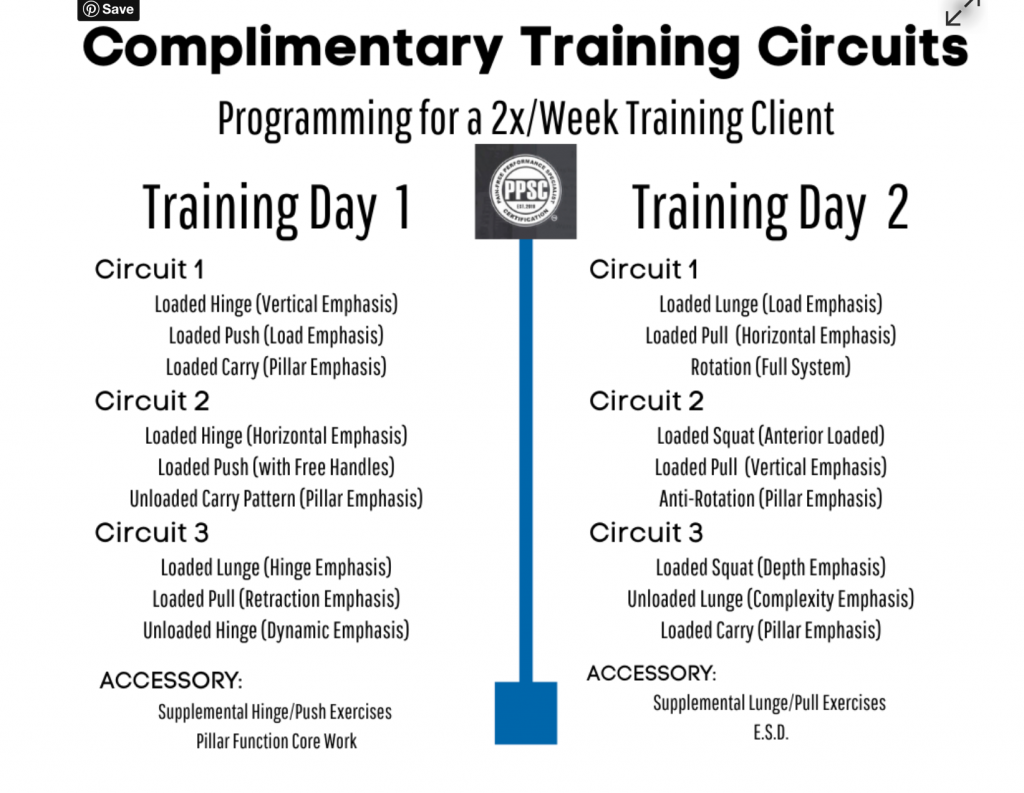
Complimentary Circuits: Effective Programming Made Simple – Kevin Mullins

As is the case always, Kevin provides a bevy of useful info in this article.

READ IT!

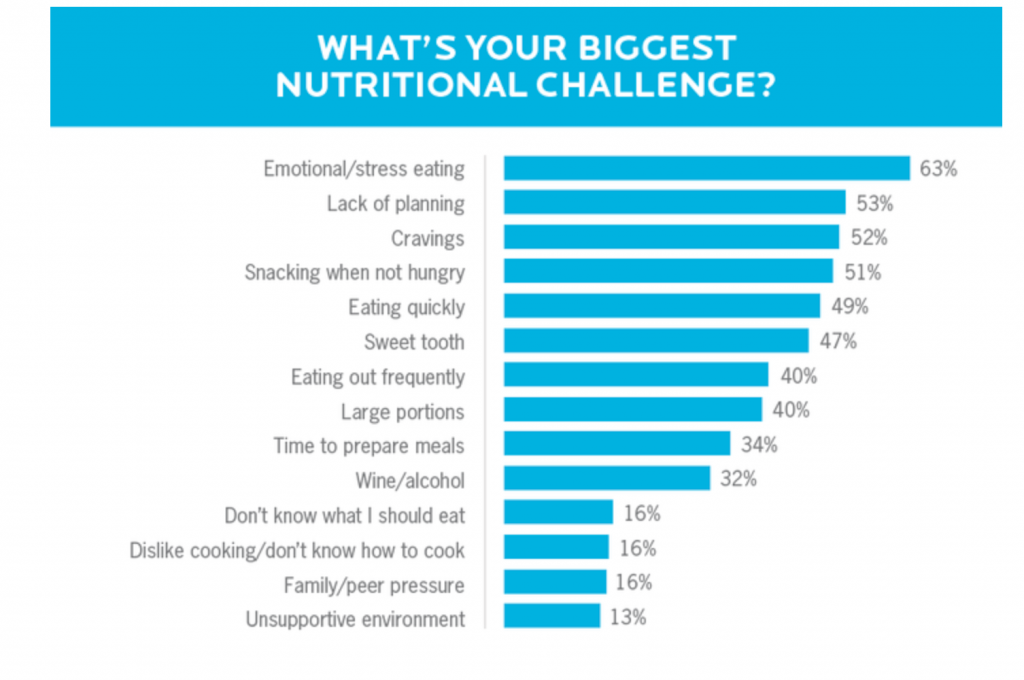
How to Overcome the 8 Biggest Diet Problems – Krista Scott-Dixon

Dieting or “locking in” sound nutritional habits always tends to be the elephant in the room for most people. For some it’s eating when bored, for others it’s a sweet tooth.

And for others it’s simply all just too confusing.

Krista helps to drown out the noise.

CategoriesStuff to Read While You're Pretending to Work Uncategorized

Stuff to Read While You’re Stuck At Home Not Wearing Pants: 6/19/20

Copyright: maglara / 123RF Stock Photo

THE WEEKLY BRIEF UPDATE

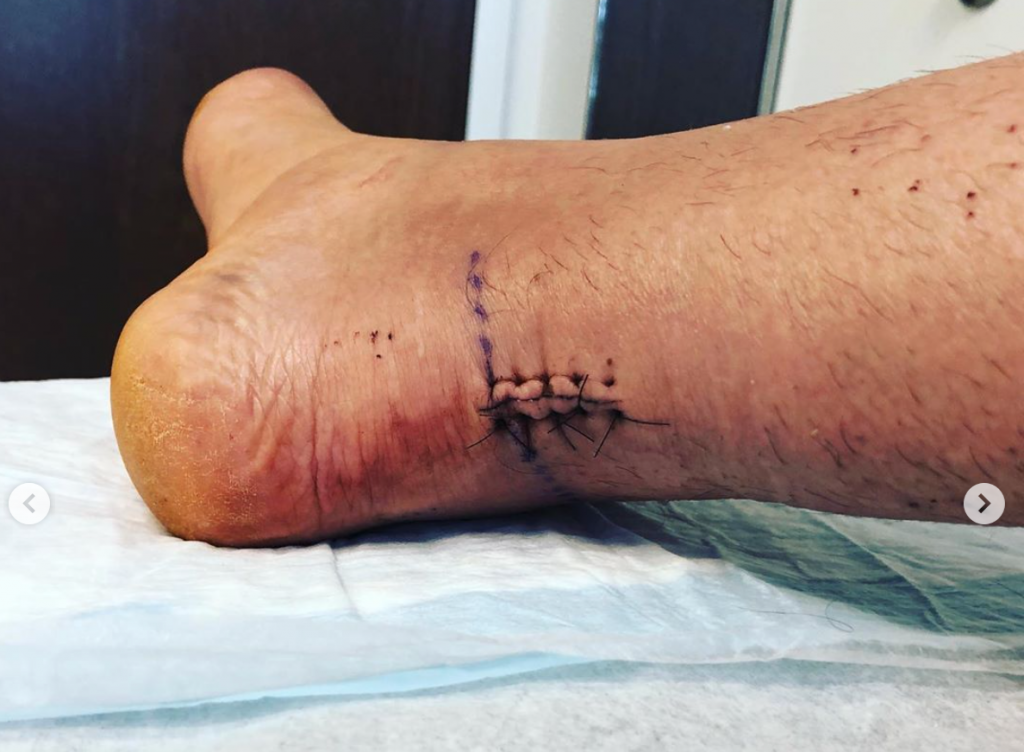
1. I’ll start with a brief #achillesgate2020 update.

I had my first post op with my surgeon earlier this week and, once the faint Cheetos smell dissipated after removing the bandaging I had on for two straight weeks, the doc said everything looked swell.

I was quite shocked at the lack of blood and gore:

Stitches were taken out, rubbing alcohol never felt so lovely, and I was put into a short cast that I’ll be wearing for the next two weeks.

The goal now is not to be an asshat and do anything stupid to risk stretching the Achilles.

I guess that means I won’t be participating in this year’s Hunger Games.

2. Check out my latest podcast appearance on Coach Gethin Radio:

3. Oh, hey, have you checked out my new CORE @ Home platform yet?

It’s designed so that I can deliver workouts you can perform at home – pants optional – using minimal equipment.

You have two options:

1. Subscribe for FREE and receive one workout per week.

2. Subscribe for $29.00 and receive three workouts per week (in addition to special bonus content).1

My hope is that it helps take the thinking out of things and keeps people more accountable to workout more consistently.

For more information go HERE.

SOCIAL MEDIA SHENANIGANS

Twitter

Instagram

STUFF TO READ WHILE YOU’RE AT HOME NOT WEARING PANTS

Motivation: Use the Motives That Move You, Right Now – Dr. Lisa Lewis

Motivations manifests from a variety of sources.

My wife’s, Dr. Lisa Lewis, latest article on Pez Cycling News digs deep(er) into what motivates people to do what they do and how you can stay more consistent with your health/wellness goals.

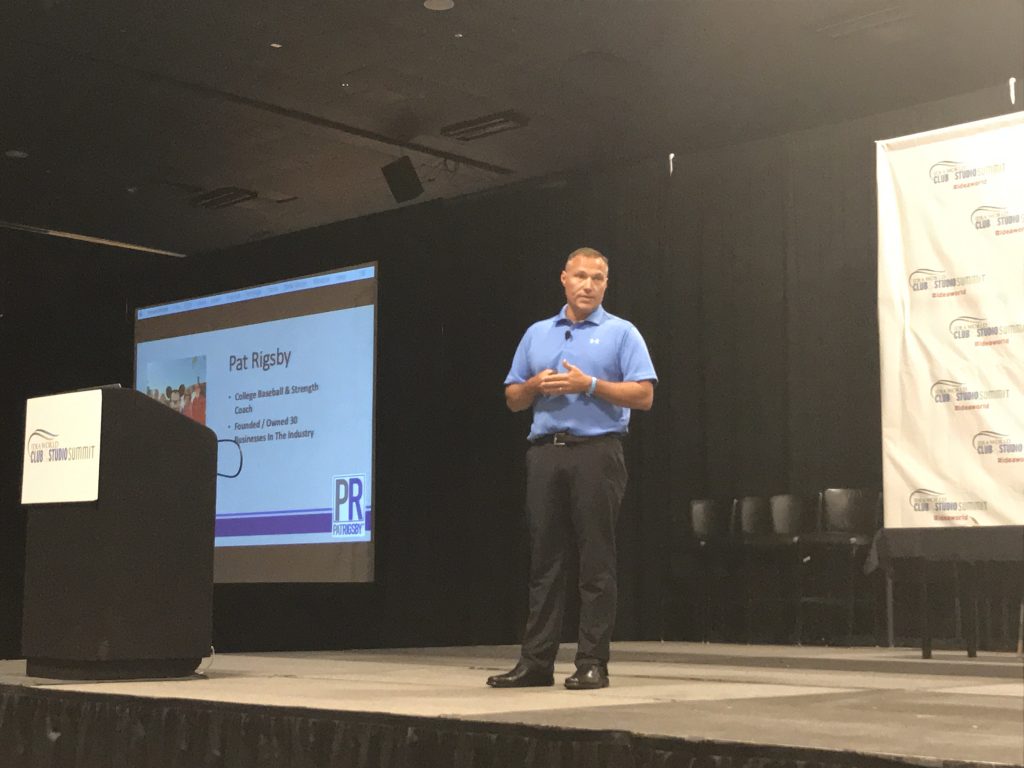
Adding Hybrid Personal Training to Your Business: An Interview With Pat Rigsby – StrengthPortal.com

If you’re a current gym owner (or aspiring to be one) Pat is the shit.

Listen to him.

The World’s Simplest Nutrition Approach – Tony Bonvechio

The K.I.S.S principle applies to pretty much everything.

Especially nutrition.

(and yes, eat the fucking apple).

CategoriesExercises You Should Be Doing Uncategorized

Exercises You Should Be Doing: Copenhagen Side Plank Shenanigans

Just to get the obvious question out of the way: I have ZERO idea why the Copenhagen Side Plank is called what it is. My educated guess is it’s not because it was popularized in Detroit.

In THIS article, though, via Carl Valle, he notes the origin of the exercise is a bit of a mystery, but that the Danes have most of the acclaim directed toward them because they’re the ones responsible for much of the most recent research on groin injuries in sport.

Fair enough.

Copyright: swisshippo / 123RF Stock Photo

Side Planks Are “Okay”

Regular plain ol’ side planks – you know, the ones you see Karen or Jim perform at your local gym – are fine. There’s indeed a myriad of efficacious uses for the exercise; especially for those dealing with chronic low back pain.

The world’s most renowned low back researcher, Dr. Stuart McGill, has belabored this point for the better part of the past two decades, most notably in his seminal books Low Back Disorders, Ultimate Back Fitness & Performance, and, for the TL;DR crowd, Back Mechanic.

In Short: The side plank provides a splendid opportunity to target the lateral obliques and quadratus lumborum in an ISOMETRIC fashion. Much of McGill’s research backs up the idea that isometric exercises to enhance muscular endurance are in favor over dynamic, more traditional strength & conditioning exercises in improving spinal stiffness and stability.

Too, because there are two sides of the body – left and right (SPOILER ALERT) – using the standard side plank to compare discrepancies between both sides is a powerful assessment tool.

If someone can smoke their left side, yet can barely perform ten seconds on their right without breaking form…

…it may provide some important information and a pertinent starting point in terms of rehab.

That said.

I’m not a fan of plank variations that go on and on and on and on.

I don’t have enough eye rolls to give for people who “brag” about their insane five-minute planks holds.

First off: No one gives two flying fucks about a five-minute plank hold. You may as well brag about your ability to perform a cartwheel, or, I don’t know, your proficiency in long division.

Seriously, no one cares.

Secondly, most people’s form turns into utter garbage after the 60 second mark and with it…

…all benefits of the exercise.

I much prefer to make plank variations more challenging than just tacking on time for the sake of more time.

Oh, Hello Copenhagen Side Plank(s)


NOTE
: In addition to the link provided above, I’d also encourage you to check out THIS article from Nick Tumminello if you want to partake in a deeper dive in just how badass Copenhagen Side Planks are.

Just as a heads up, not only are they great for people with low back pain but they’re also fantastic for:

  • Adductor strengthening (if you work with athletes, especially hockey & soccer players, this is key).
  • Knee strengthening (I actually use Copenhagens a lot with clients attempting to work around knee pain. Much of this ties in with strengthening the adductors)

There’s a bevy of variations to consider here, but two of my go to’s are highlighted in the video above.

1. Copenhagen  Side Plank w/ Leg Lift

There’s really nothing fancy here. As is the case with any plank variation, think: Abs on, glutes on. From there don’t just think about haphazardly lifting the bottom leg towards the top.

Do that.

But ALSO think about driving or pushing the knee of the top leg INTO the bench or table.

At the top SQUEEZE your knees together, hard.

And then CONTROL the lowering portion.

2. Copenhagen Side Plank w/ Low Leg Driver

Take all the cues from above and now bend the knee of the bottom leg 90 degrees and then move the same leg into hip flexion/extension; without allowing your pelvis to lower or dip.

Tip: if you want to keep yourself honest, place something like a glass of water or yoga block underneath the bottom leg. If at any point your leg knocks over “the thing,” you suck at life and should be ashamed of yourself.

Basically you’ve besmirched your family name.

150 points from Gryfindor.

Tip #2: Many articles advocate for trainees to place the ankle (of the top leg) on the table or bench, so that the legs are completely straight. I’m not a fan of this because it places a lot of unnecessary strain on the medial component of the knee out of the gate.

Notice in the video how my knee is supported by the table?

Start there.

You can progress to less “support” as you gain more proficiency with the exercise.

Categoriespersonal training Program Design Uncategorized

4 Maybe New to You Goblet Squat Variations

vertolet@123rf.com

Alas, I will never be a fitness influencer.

First of all, the mere thought of even calling myself something like that invokes an immediate gag reflex. But more to the point I am not nearly creative enough to fall into that camp.

I mean, a true fitness influencer would have used any of the following titles to lure you in:

“187 Goblet Squat Variations That I Made Up on a Wednesday”

“The Keto Guide to Goblet Squats”

“4 Maybe New to You Goblet Squat Variations (You Can Perform With a Chainsaw)”

See?

I’m too boring to be an influencer.

4 (Maybe New to You) Goblet Squat Variations

All that said, I’m a firm believer that training doesn’t always have to be a circus show. Sure, it behooves us to add a little variety and pizzazz into the mix – I.e., chainsaws? blindfolds? unstable surface? chains? a black bear? – but for most people, most of the time, what yields the best results are sticking with exercises that:

  1. Are user friendly and easily reproducible.
  2. Don’t require a bevy of speciality equipment and/or signing a liability waiver to perform.
  3. Provide carryover other than garnering “likes” on social media.

I don’t know, maybe it’s because I’m a bit old school and am kinda-sorta set in my ways, but for me and my money, the best exercises are the ones that are monotonously boring.

To that end, since we’re all sequestered and training at home and likely doing all we can to NOT toss our faces into a brick wall from too much monotony, below are a handful of Goblet Squat variations – that, for the record, can be performed with either a kettlebell or dumbbell – I tend to default to with my own programming (and that of my clients/athletes).

1. Goblet Squat w/ Lowering


Let’s be honest: It’s a bicep curl. The “lowering” part is a bicep curl.

However, WHY I like adding in the bicep curl may surprise you.

It’s not for bigger arms.2

Rather, I like how it forces you to OWN the bottom position of the squat. I find a lot of trainees tend to “relax” in the hole and either end up losing their spine position or just “hang out” on their passive restraints (ligaments and tendons). With the lowering component the idea is that they have to remain ON throughout the motion.

There’s a bit more of a mind-body connection which I find is beneficial for many.

SIDE NOTE: As you can see, my 3-year old in the background is super impressed.

2. Goblet Squat w/ Pulse

I got this one from Dan John years ago and it’s a sneaky little fucker.

The limiting factor, of course. will be shoulder endurance so err on the side of conservative when selecting a load to use.

That said, the main benefit of this variation is targeting the anterior core. Similar to above, the idea is to OWN the hole and pressing the KB out in front of the body forces you to fire your core to a very high degree.

It also forces a bit of weight shift (back), which allows for a bit of “settling” into the squat to occur. Be PURPOSEFUL with pulse part; it shouldn’t be a quick jolt back and forth.

3. Squat w/ Overhead Press


I’m just going to come right out and say it: This one suuuuuuuuuuuucks.

I picked this one up from Dr. Quinn Henoch of Clinical Athlete a few years ago when listening to him present, and was slapped in the face with intrigue when he mentioned he liked this variation to help with grooving thoracic extension with his athletes.

Once I tried it the lightbulb went off.

Try it.

You’ll get it too.

4. Goblet Kickstand Squat


Also known as a “B-Stance” Squat, all we’re accomplishing here is getting more acquainted with asymmetry and using it to our advantage. I’ve written more on my stance with regards to asymmetry in the past and you can check it out HERE.

TLDR: Asymmetry is normal. You’re going to live.

I like this variation because:

  • Everyone is a bit different – anthropometically speaking – and for many, experimenting with asymmetrical stances is a splendid way to help make the squat feel more comfortable.
  • I also view this as “fake single leg training” in that we can overload one limb over the other while not taking balance out of the equation (which can be a limiting factor for some).
  • Just because.

I’m awful at conclusions.

CategoriesUncategorized

Introducing CORE at Home: Workouts You Can Perform In Your Living Room

I’m excited to announce my new CORE @ Home platform.

I’ve spent the last several weeks working with my boy Alex from Copter Labs to develop a resource which will allow me to send weekly workouts to your living room.


It’s Free(ish)

Many of us have been forced to workout from home the last several weeks and depending on who are are, how inventive you are, and what kind of access to equipment you have the experience can range from “hey this isn’t so bad” to “OMG I’d rather jump into a shark’s mouth.”

For some it’s been an opportunity to tap into their inner McGyver and conjure up some unique and interesting exercise routines.

However, for others (and I suspect the bulk of people fall into this camp), it’s been an opportunity to want to toss your face into a brick wall. I mean, there’s only so many things you can perform with a few bands, a smattering of kettlebells, a rubber ducky, and a roll of duct tape.

Workouts can turn stale and monotonous very quickly (if they haven’t already).

Well, let me do the thinking for you.

CORE @ Home is designed to deliver quick, effective, and fun workouts on a weekly basis that pretty much anyone can partake in.

The Requirements

– If you’re currently injured or have a unique injury history that needs to be taken into consideration you’re probably better off hiring someone to write individualized programs for you. These workouts are meant to be followed by the masses and have a more broad appeal and reach.

– You have to have access to the following equipment:

  • Bands
  • Kettlebells and/or dumbbells
  • Suspension trainer (TRX, Jungle Gym, etc)
  • A chainsaw (don’t ask)

And that’s pretty much it.

The Deets

There are two ways to experience CORE @ Home.

1. Free Workouts

  • Go HERE and click the “Want the Free Videos?” link at the bottom of the page.
  • You’ll enter your email, choose a password, and each week you’ll have access to one of the videos.

2. “All In” Access

  • Go HERE and click the big “Join Now” icon, where you receive access to THREE workouts per week (or 12 workouts per month).
  • Enter the pertinent info and BOOM…you”re in.

Each workout is divided into three sections: Athlete —> Build —> Condition.

The “Athlete” Section has you doing something athletic: simple jumping, skipping, and hopping drills.

The “Build” Section is the meat & potatoes and is designed to emulate more of a traditional program based around paired exercises or supersets. Think: squats, rows, pushes, carries, and the link.

The “Condition” Section is more or less what the name implies: conditioning (I.e., make you hate life).

All workouts are designed to be complete in 30-40 minutes and includes a complete warm-up prior.

Join Now

If you’re someone looking for direction and just want someone else to tell you what to do, CORE @ Home should fit the bill nicely. Too, as we progress forward and people begin to gain access to their regular gyms (or start to build more robust home gyms) this platform will “evolve” to reflect that.

OMG remember barbells!?!?

Anyway, enough talk…let’s get to work.

—> Enroll in CORE @ Home HERE <—